
Eastern Washington · Washington
There's a specific moment most first-time buyers describe — somewhere between the pre-approval call and the third showing — where the whole thing starts feeling real. Not exciting-real. Real-real. The moment you realize the house you can actually afford looks different from the house you've been picturing. In Yakima, that moment tends to arrive with a different kind of clarity than it does in Seattle or Bellevue, because the math here is fundamentally more forgiving. At a median sold price of $370,000, you are working with one of the most accessible housing markets in Washington state — a state where the median home price has climbed past $612,000. That gap is the reason a lot of people are paying serious attention to Yakima right now.
What $370,000 gets you here is not a compromise property. In neighborhoods like Nob Hill or West Valley, that budget puts you in a three-bedroom, two-bath home with a garage on a real lot. Below that figure, in the $290,000–$340,000 range, you're typically looking at older housing stock on the east side or central corridors that need updates — manageable projects, not disasters, but worth knowing upfront. The rent-versus-own gap in Yakima is real: a two-bedroom apartment runs $1,100–$1,400 per month in most parts of the city, while a 30-year mortgage on a $350,000 home with 5% down lands in the $2,100–$2,300 range — a meaningful difference, but one that comes with equity, stability, and no landlord.
This guide walks you through the full first-time buyer process in Yakima — from what your credit score actually needs to look like, to which neighborhoods give you the best shot at a good first home, to the five specific mistakes buyers make in this market. If you've been reading generic Washington real estate advice that talks about bidding wars and waived inspections in the Puget Sound metro, some of it applies here and some of it doesn't. Understanding the difference is what this guide is for.
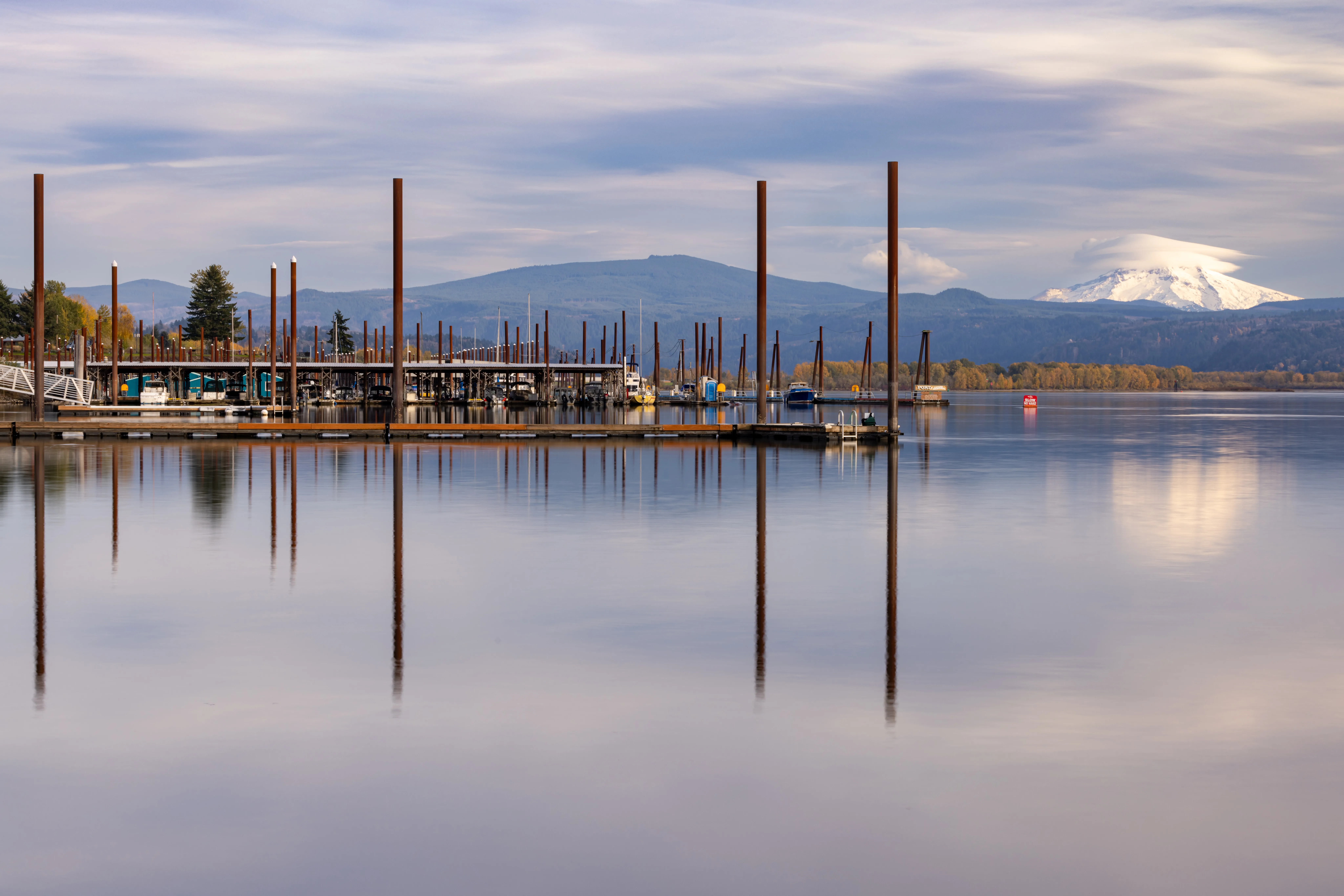
Yakima's case for first-time buyers is straightforward: the price point is real, the inventory is growing, and you don't need to be a dual-income household earning $200,000 to get into the market. As of early 2026, there are roughly 568 homes for sale in the city — up more than 20% from a year ago — which means buyers have options they didn't have in 2022 or 2023. That inventory increase, combined with a median price sitting 40% below the Washington state average, puts Yakima in a category of its own among mid-size Washington cities.
The honest limitations are worth naming too. The Yakima School District carries a C rating on most ranking platforms, which affects resale calculus in ways that matter when you eventually want to sell. Crime statistics — particularly property crime at 27.1 per 1,000 residents — vary significantly by neighborhood, and choosing where to buy requires more due diligence than it would in a lower-crime market. Commuting to Seattle is a 2.5-hour drive through Snoqualmie Pass, which makes Yakima a genuine relocation destination rather than a bedroom community. If your employer is in the valley — Yakima Valley Memorial Hospital, the school district, Yakima County government, or the agricultural sector — the math works cleanly. If you're planning to remote-work, it works even better.
Realistic entry points for first-time buyers in Yakima sit in the Nob Hill area along 40th Avenue, the Barge-Chestnut neighborhood west of downtown, and pockets of West Valley where homes in the $330,000–$400,000 range tend to be well-maintained and attractively priced. East Yakima and Central Yakima offer lower entry prices but require more careful street-by-street evaluation. The buyers who do well here are the ones who resist the urge to buy the cheapest thing they can qualify for and instead focus on the neighborhoods where modest homes hold value.
| Price Range | What You Typically Find | Neighborhood Examples | Competition Level |
|---|---|---|---|
| Under $350K | Older 2–3 bed homes, often 1960s–1980s vintage; some deferred maintenance; smaller lots | East Yakima, Central Yakima, parts of Downtown | Moderate — more options, fewer competing buyers |
| $350K–$450K | 3 bed / 2 bath, mid-century to 2000s construction; garages common; move-in ready condition | Nob Hill, Barge-Chestnut, Tieton Drive corridor | Moderate to active — well-priced homes move in 2–3 weeks |
| $450K–$550K | Updated 3–4 bed homes; newer kitchens and baths; larger lots; some newer construction | West Valley, Summitview, Scenic Drive | Active — expect some competition on well-priced listings |
| $550K–$650K | Larger square footage, 4 bed homes, newer builds or fully remodeled; neighborhood quality noticeably higher | West Valley, Terrace Heights, upper Scenic Drive | Selective — fewer buyers at this tier but limited inventory |
| $650K+ | Newer construction, custom homes, best views and lot sizes | West Valley newer subdivisions, Scenic Drive elevated lots | Low competition; patient buyers do well |
The realistic first-time buyer in Yakima is typically shopping between $320,000 and $430,000 — which puts them squarely in the most active and competitive slice of the market. Homes priced between $350,000 and $420,000 are moving fastest, often going pending within two to three weeks of listing, particularly in Nob Hill and West Valley where the combination of condition, location, and price creates consistent demand. Buyers who try to stretch below $300,000 frequently find themselves competing for homes that need significant updates, which can close the financial advantage gap quickly once renovation costs are factored in.
The best value entry point right now is the $350,000–$420,000 range in Nob Hill and Barge-Chestnut. These neighborhoods offer genuinely livable homes, reasonable proximity to the main employment corridors on 40th Avenue and Nob Hill Boulevard, and the kind of neighborhood stability that supports resale value. Buyers who anchor here, rather than chasing the cheapest available listing on the east side, tend to build equity more reliably.
| Step | What Happens | Typical Timeline | What First-Timers Get Wrong |
|---|---|---|---|
| Get finances in order | Pull credit, pay down revolving debt, stop opening new accounts | 1–3 months before house hunting | Applying for new credit cards or financing furniture while in this phase |
| Pre-approval | Lender reviews income, assets, credit; issues pre-approval letter | 1–3 business days with a responsive lender | Confusing pre-qualification (soft) with pre-approval (hard pull, actual commitment) |
| Find an agent | Interview 1–2 agents with verified Yakima transaction history | Before active searching begins | Calling the listing agent directly — they represent the seller |
| Active search | Touring homes, understanding neighborhoods, tracking comps | 2–8 weeks depending on inventory | Shopping without a clear price ceiling; scope creep kills budgets |
| Making offers | Offer price, terms, earnest money, contingencies | 24–72 hours after finding the right home | Lowballing in a market where median homes sell close to list |
| Under contract | Mutual acceptance; timelines begin | Day 1 of contract | Not reading the inspection and financing deadlines carefully |
| Inspection | Licensed inspector evaluates condition | Days 5–10 of contract typically | Skipping inspection on older homes to compete — dangerous in Yakima's 1960s–1980s stock |
| Appraisal | Lender orders appraisal to confirm value | Days 10–21 | Not understanding that a low appraisal creates a gap the buyer must cover |
| Final walkthrough | Verify property condition matches contract | 24–48 hours before closing | Skipping it or rushing through |
| Closing | Sign documents, funds transfer, keys | 30–45 days after mutual acceptance | Not having closing costs (2%–3% of purchase price) ready in addition to down payment |
Yakima's market is competitive but not chaotic. Unlike western Washington, where waiving inspections was commonplace in 2021–2022, buyers in Yakima generally keep their inspection contingency intact — and they should. Much of the housing stock in the $300,000–$380,000 range was built between 1950 and 1985, which means deferred maintenance issues — aging roofs, older electrical panels, galvanized plumbing — are common discoveries. Skipping inspection to compete on a 1970s ranch in East Yakima is a mistake that can cost $15,000–$30,000 in unexpected repairs within the first year of ownership.
Earnest money in Yakima County typically runs 1%–2% of the purchase price, deposited within two to three business days of mutual acceptance. On a $370,000 home, that's $3,700–$7,400 that needs to be liquid and ready. The closing timeline from mutual acceptance to keys is usually 30–45 days for financed purchases — faster for buyers who've done their paperwork homework ahead of time. Buyers who arrive with a fully processed pre-approval, not just a pre-qualification letter, consistently get their offers taken more seriously in a multiple-offer situation.

Looking to buy in Estimate your payment.
Enter your numbers to see an estimated monthly mortgage payment.
Estimate only. Excludes HOA fees and mortgage insurance.
The minimum credit scores you'll hear quoted — 580 for FHA, 620 for conventional — are floors, not targets. A 580 gets you in the door on an FHA loan with 3.5% down, but the interest rate you'll receive looks meaningfully different from what a 700-score buyer gets. On a $350,000 loan, the difference between a 6.8% rate at a 640 score and a 6.2% rate at a 740 score works out to roughly $130–$150 per month — which is $1,600 a year, every year, for 30 years. If your score is in the 630s, spending three to six months paying down revolving balances before applying is often the single highest-ROI action you can take before buying.
For income qualification, lenders typically use a front-end debt-to-income ratio of 28% for housing costs. In plain terms, that means your total monthly housing payment — principal, interest, taxes, and insurance — should not exceed 28% of your gross monthly income. To comfortably qualify for a $400,000 home, a buyer generally needs gross household income around $85,000–$90,000 per year. A $500,000 purchase pushes that income requirement to roughly $105,000–$115,000. Yakima's median household income sits at $62,815, which means many buyers are working with a household with multiple earners or are buying toward the lower end of the price range — which is a legitimate, viable strategy in a market where $310,000–$340,000 homes do exist.
Washington has no state income tax, and for buyers relocating from Oregon, California, or any other income-taxing state, this difference is not cosmetic. A household earning $85,000 in Oregon pays roughly $5,000–$6,500 in state income taxes annually. In Washington, that money stays in your pocket — which increases take-home pay, improves DTI, and meaningfully expands what a buyer can realistically afford or comfortably sustain month to month.
Mistake 1: Assuming list price and sale price are interchangeable. Yakima homes in the $340,000–$420,000 range — particularly in Nob Hill and Barge-Chestnut — regularly close at or slightly above list price when they're priced well. Buyers who walk into offers anchored on a 5%–8% discount from asking frequently lose to buyers offering list price with clean terms. Before making any offer, your agent should pull closed comps from the previous 60 days in that specific neighborhood. Price-per-square-foot data in Yakima varies enough by corridor that generic discounting strategies tend to backfire.
Mistake 2: Skipping inspection on older stock to compete. Yakima's entry-level housing inventory skews heavily toward mid-century construction — 1955–1985 builds that carry their own set of known risk categories. Aging composition roofs, original aluminum wiring in homes from the 1960s and 1970s, galvanized steel supply lines, and deferred crawl space issues are regular inspection findings in the sub-$350,000 range. Waiving inspection to make an offer more attractive is a decision that often costs far more than it saves.
Mistake 3: Shopping at the ceiling of qualification instead of the ceiling of comfort. Lenders will approve you for a number that the math supports — but monthly payment comfort and maximum approval are two different figures. A buyer qualifying for $500,000 who buys at $490,000 often finds themselves house-poor when the furnace goes out in January or when the car needs tires. Buying at 80%–85% of your maximum approval creates the financial cushion that separates stress-free homeownership from a monthly white-knuckle experience.
Mistake 4: Underestimating how school district boundaries affect resale. Elementary school boundaries in Yakima are drawn in ways that matter to future buyers, even if they don't matter to you right now. Homes that sit within more desirable school attendance zones in West Valley or Selah School District territory typically carry a measurable price premium and sell faster. Buying a home without knowing which specific school it feeds into — and what the market perception of that school is — can quietly limit your buyer pool when it's time to sell.
Mistake 5: Waiting for prices to drop in a supply-constrained market. Inventory in Yakima has grown in 2025–2026 compared to the previous two years, but it remains well below what would be needed for a true buyer's market correction. Full-year 2025 saw 1,910 homes sold — an 11.5% increase from 2024 — but with fewer than 570 active listings, supply is still tight relative to demand. Buyers who've been waiting since 2023 for a meaningful price correction have instead watched the median sold price rise from $340,000 to $367,000. Timing the market in a city with Yakima's constrained land and growing population tends to cost buyers more than it saves them.
First-time buyers in Yakima have more viable options than the generic "safest neighborhood" search would suggest, but location choices carry real consequences for daily life, resale, and long-term satisfaction. The neighborhoods below represent the most consistent value propositions for buyers entering the market in the $300,000–$450,000 range.
Nob Hill is the most reliably livable entry point at the median price. The corridor along Nob Hill Boulevard between 40th Avenue and Summitview offers walkable retail access, solid housing stock from the 1970s–1990s, and strong neighbor-to-neighbor stability. Homes here in the $340,000–$420,000 range typically deliver three bedrooms, two baths, and a garage — the full package for a first home. The catch is that the neighborhood spans enough territory that you need to evaluate block by block; a home one street off the main corridor can look meaningfully different from one three blocks away.
Barge-Chestnut sits just west of downtown and attracts buyers who want older character housing — craftsman bungalows and mid-century ranches — at prices that still land in the $290,000–$370,000 range for livable, updated examples. The neighborhood has seen steady investment from younger buyers over the past several years, which has quietly improved property values in the northern portion closer to 16th Avenue. Buyers who want a neighborhood with personality, walkability to downtown dining, and room for appreciation tend to look here.
West Valley is the first-time buyer neighborhood for households who are prioritizing school quality and long-term resale over lowest possible entry price. The western edge of Yakima, particularly the pockets off Summitview Avenue toward 72nd Avenue, feeds into West Valley School District attendance zones that carry a significantly stronger academic reputation than the city district proper. Entry-level homes here start closer to $370,000–$400,000, which requires a slightly larger initial investment, but the resale velocity and buyer demand at exit is meaningfully higher than in most other Yakima neighborhoods.
Tieton Drive corridor offers a middle-ground option — solidly residential, reasonably priced in the $310,000–$380,000 range, and located between the Nob Hill commercial strip and the quieter western residential areas. Homes here tend to be 1960s–1980s construction with manageable update needs. For buyers who want a quieter streetscape without paying West Valley premiums, this corridor often represents underappreciated value.

Local Expert Takeaway: The single most common mistake first-time buyers make in Yakima is anchoring their neighborhood search on price alone — buying the cheapest qualifying home rather than the best-located home in their budget. A $320,000 home in East Yakima and a $345,000 home in Barge-Chestnut or lower Nob Hill are not equivalent decisions. The $25,000 difference at purchase can translate into a $40,000–$60,000 swing in resale value five years later, depending on neighborhood trajectory. Spend more time understanding the block, less time optimizing the entry price.
✅ Yakima's $370,000 median home price sits 40% below the Washington state median — making it one of the most accessible first-purchase markets in the state for buyers who qualify at typical income levels.
⚠️ The $350,000–$420,000 range in Nob Hill and West Valley moves the fastest — well-priced homes in these neighborhoods often go pending within two to three weeks, so pre-approval needs to be ready before you start touring.
📍 Washington has no state income tax, which meaningfully increases take-home pay for buyers relocating from Oregon, California, or other income-taxing states — and can expand qualifying power more than most buyers expect.
Can I buy a home in Yakima as a first-time buyer?
Yes — Yakima is one of the more accessible markets in Washington for first-time buyers. The median sold price of $370,000 is achievable with standard FHA or conventional financing.
How much do I need to buy my first home in Yakima?
On a $370,000 purchase, an FHA loan at 3.5% down requires roughly $13,000 for down payment plus $7,000–$11,000 in closing costs — total cash needed in the $20,000–$24,000 range. Conventional loans at 5% down require about $18,500 plus closing costs.
What credit score do I need to buy a house in Washington state?
The minimum for an FHA loan is 580 (for 3.5% down). Conventional loans require 620 or above. A score of 680 or higher gets you access to meaningfully better interest rates — on a $370,000 purchase, the difference between a 640 and a 720 score can change your monthly payment by $100–$150. If your score is below 680, a few months of focused credit improvement before applying is almost always worth the wait.
Explore the full Yakima series: The Ultimate Yakima Relocation Guide · Is Yakima Safe? · Cost of Living in Yakima · Best Neighborhoods in Yakima · Yakima Schools & Family Life · Yakima Youth Sports · Yakima Parks & Recreation · Retiring in Yakima · 1031 Tax-Deferred Exchange in Yakima · Yakima First-Time Homebuyers Guide · Moving to Yakima from California
Tell us what you need help with and we'll connect you with local resources.

About the Author
Todd Davidson is the founder of Living in Oregon and Living in Washington, where he publishes in-depth city guides, neighborhood resources, and local market insights covering more than 180 communities across the Pacific Northwest. While his background is in home financing and real estate, he created these digital platforms to help families research and compare regions before making a move.