
Eastern Washington · Washington
The honest answer is yes — but with conditions. East Wenatchee rewards retirees who want natural beauty, low taxes, affordable homes, and a genuine small-city pace. It asks something in return: a willingness to drive for most things, acceptance that the cultural calendar is thinner than Seattle's, and comfort with winters that bring real cold rather than Pacific Coast drizzle. If those trade-offs land on the right side of your ledger, this city on the Columbia River's east bank quietly offers one of the most financially compelling retirement destinations in the Pacific Northwest.
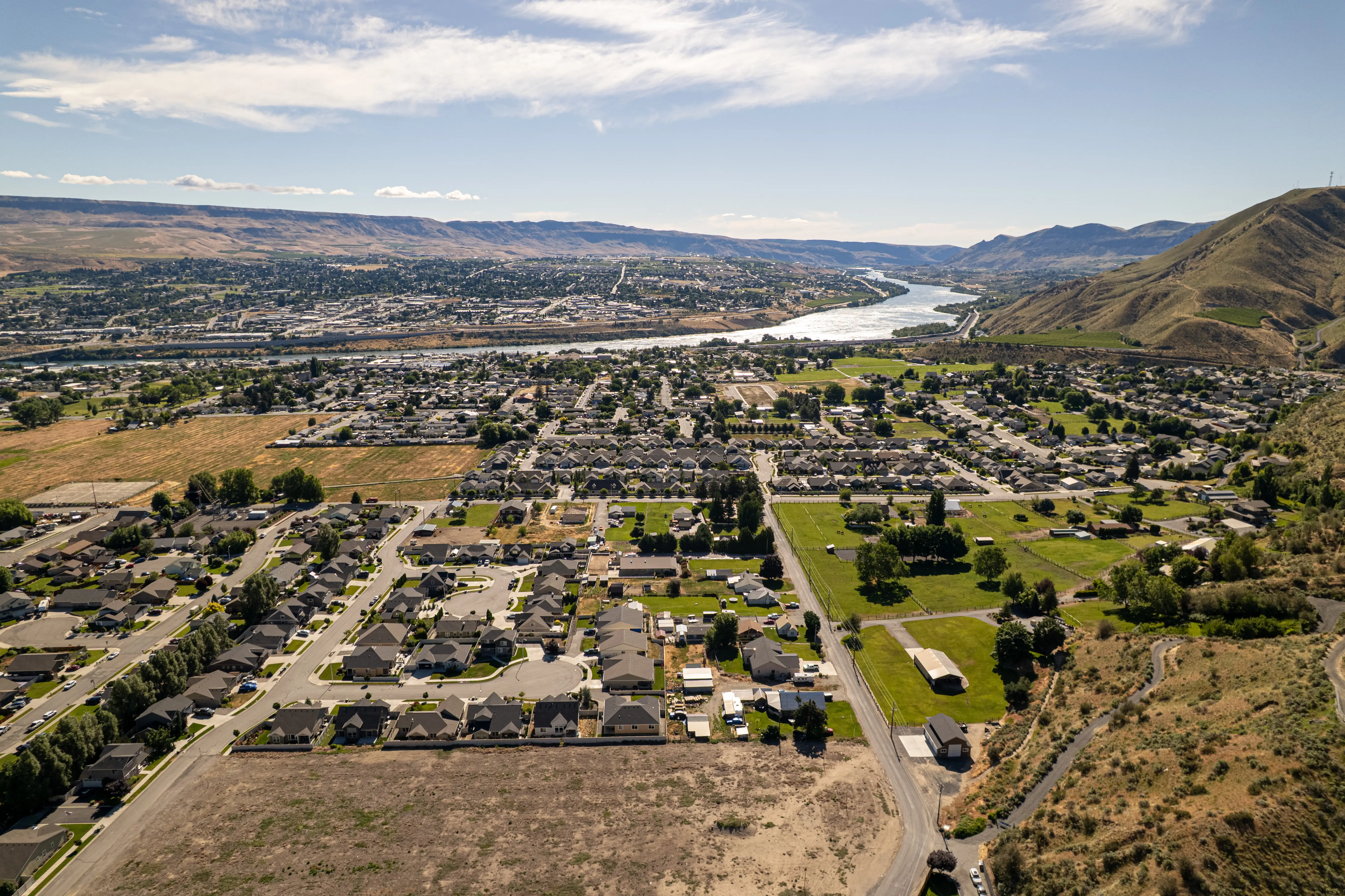
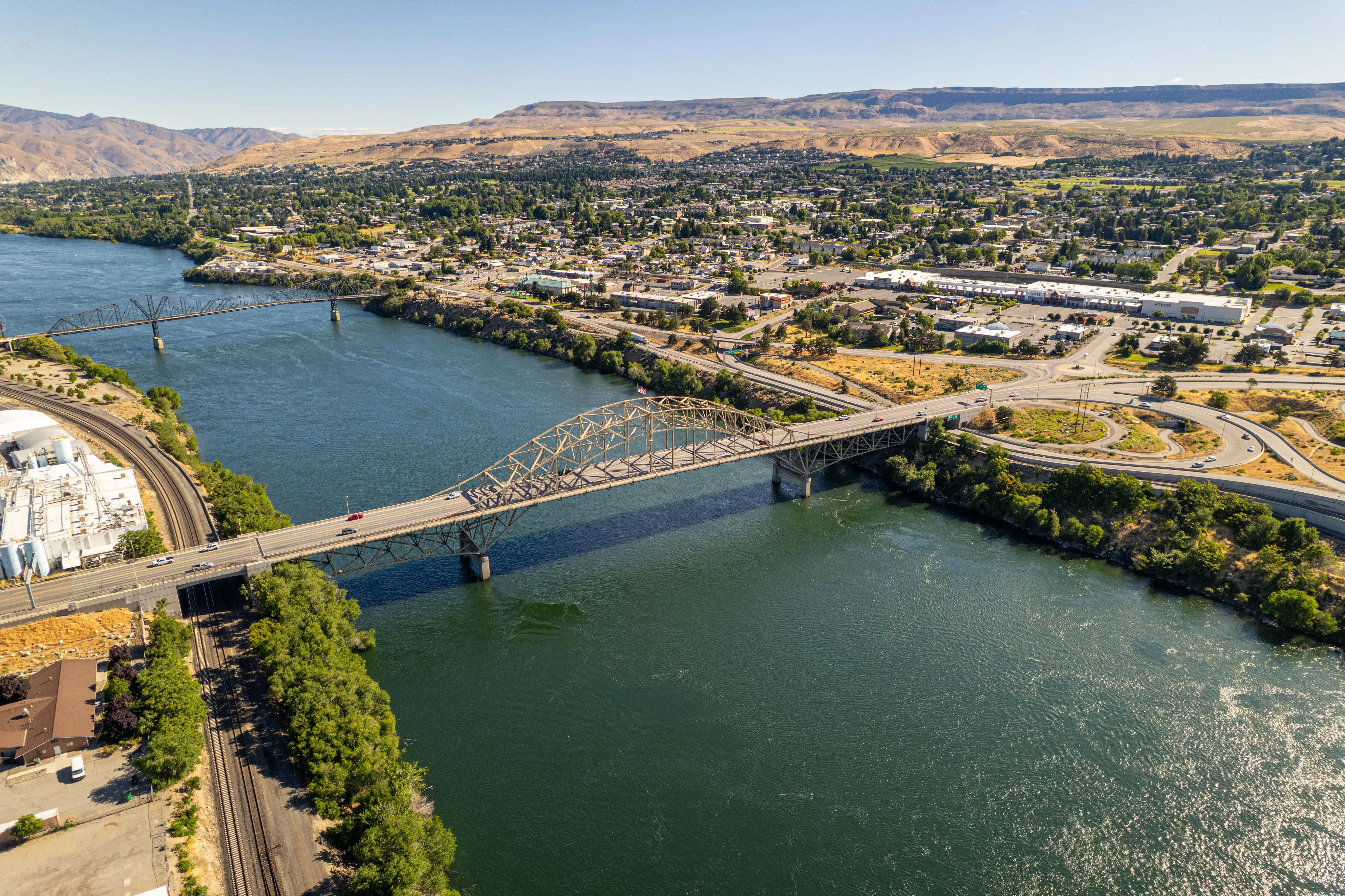
The retirees who thrive here tend to be active and outdoorsy — people who wake up excited about a morning ride on the Apple Capital Loop Trail rather than annoyed they can't walk to a wine bar. World-class fruit orchards line the surrounding hills, the river dominates daily life, and Wenatchee's full commercial corridor sits five minutes across the bridge. Healthcare is genuinely strong for a metro this size, housing costs are a fraction of Western Washington's, and Washington's zero state income tax means every dollar of pension, Social Security, or IRA withdrawal stays in your pocket.
This guide covers what retirement actually looks like in East Wenatchee day to day — the tax picture, healthcare depth, senior living options, neighborhood fit, and an honest comparison against other regional retirement destinations so you can decide whether this is where your next chapter begins.
Washington's tax treatment of retirement income is the single most underrated feature of moving here from California, Oregon, or any state with an income tax. The state imposes no individual income tax whatsoever, which means Social Security benefits, pension payments, 401(k) withdrawals, and traditional IRA distributions are all received without a state deduction. For a household pulling $80,000 a year in retirement income, moving from Oregon — which taxes retirement income at rates up to 9.9% — can represent thousands of dollars in annual savings.
| Income Type | WA State Tax Treatment |
|---|---|
| Social Security benefits | Not taxed |
| Pension income (public or private) | Not taxed |
| 401(k) / IRA withdrawals | Not taxed |
| Roth IRA distributions | Not taxed |
| Military retirement pay | Not taxed |
| Capital gains (from retirement accounts) | Not taxed |
| Investment dividends & interest | Not taxed |
| Wages / part-time work income | Not taxed |
Washington does impose a capital gains tax on gains over $270,000 from the sale of certain assets — but this explicitly excludes retirement accounts, making it largely irrelevant for most retirees managing standard portfolio withdrawals. The state also has a senior property tax exemption available to homeowners age 61 and older who meet income thresholds: qualifying seniors can receive a partial exemption that reduces or freezes the taxable value of their primary residence. In Douglas County, the property tax rate runs approximately 0.87%, so on a home at the city's median sold price of $490,447, the annual property tax bill lands around $4,267 before any senior exemption is applied. Retirees who qualify for the exemption can reduce that figure meaningfully — worth investigating with the Douglas County Assessor's office early in the process.
Compared to Oregon, the contrast is stark. Oregon taxes all retirement income, including Social Security, at marginal rates that climb to 9.9% at relatively modest income levels. Washington residents crossing the Cascades from the west side sometimes overlook the compounding effect of this advantage, but over a 20-year retirement it can amount to six figures of cumulative savings. East Wenatchee's low property tax rate reinforces that picture, making the overall tax burden among the lowest a retiree can find anywhere in the region.
Confluence Health is the regional healthcare anchor for East Wenatchee and the broader Wenatchee Valley, and its depth would be impressive for any city five times this size. The Central Campus at 1201 S. Miller St. in Wenatchee — roughly 1.7 miles from East Wenatchee — is a 198-bed not-for-profit hospital with a Level III trauma center, cardiac and neurosurgery centers, and a Level 2 nursery. It has earned Healthgrades recognition for coronary intervention and holds U.S. News & World Report High Performing designations in heart attack care and pacemaker implantation, two metrics that matter specifically to an older patient population.
The Mares Campus at 820 N. Chelan Ave. — the former Wenatchee Valley Hospital, about 2.3 miles from the city center — adds six operating rooms, CARF-certified acute rehabilitation beds, a six-bed sleep lab, and a regional cancer treatment center operating in partnership with Seattle Cancer Care Alliance and Virginia Mason. That cancer care partnership is significant: it means East Wenatchee retirees access UW Medicine-affiliated oncology expertise without needing to relocate to Seattle for treatment. The Mares Campus also serves as a University of Washington medical school clinical teaching site, which tends to correlate with above-average clinical rigor.
For truly complex cases — major organ transplants, advanced neurosurgery, rare conditions — Seattle's Harborview Medical Center and UW Medical Center are roughly 2.5 to 3 hours west via US-2. That drive is manageable for scheduled appointments but warrants consideration if a household member has a serious ongoing condition. The practical day-to-day healthcare picture, however, is strong: a 200-physician multi-specialty medical group, behavioral health services, comprehensive imaging, and clinical research capabilities make this one of the better-served retirement healthcare environments in Eastern Washington.
East Wenatchee offers several senior living options ranging from independent retirement communities to assisted living and smaller adult family homes.
| Community | Type | Location | Est. Monthly Cost |
|---|---|---|---|
| East Wenatchee Senior Living | Independent / Assisted Living | 589 Highline Dr., East Wenatchee | From ~$2,500/mo |
| Bonaventure of East Wenatchee | Independent / Assisted / Memory Care | 50 29th St. NW, East Wenatchee | Market rate |
| Kadie Glen Assisted Living | Assisted Living | East Wenatchee area | $4,713–$7,592/mo |
| Avalon Adult Family Homes | Adult Family Home (max 6 residents) | 430 NE 19th St., East Wenatchee | Varies |
| Argonne Adult Family Home | Adult Family Home | 1572 Grant Rd., East Wenatchee | Varies |
Bonaventure of East Wenatchee on 29th Street NW is the largest community in the city with 149 apartments, offering a continuum from independent retirement living through assisted living and memory care. The open-concept apartments scale from one-bedroom to two-bedroom, two-bath configurations, and the community's proximity to East Wenatchee's commercial corridor means daily errands are manageable. Kadie Glen occupies the higher-cost assisted living tier but includes 12–16 hour nursing, on-site hospice services, a mental wellness program, and Spanish-speaking care staff — a meaningful consideration given East Wenatchee's large Hispanic community.
Washington's average assisted living cost runs roughly $4,250 per month, sitting above the national benchmark of around $3,500. East Wenatchee's options span that range and beyond, with the area average for assisted care landing near $6,138 monthly. Independent living at the lower end remains significantly more affordable, and Washington's zero income tax helps retirees stretch retirement income further to absorb those costs.
Looking to buy in Estimate your payment.
Enter your numbers to see an estimated monthly mortgage payment.
Estimate only. Excludes HOA fees and mortgage insurance.
Walkability is limited but honest about it. East Wenatchee is a car-dependent community, and retirees accustomed to walkable urban neighborhoods need to recalibrate expectations before arriving. The Highline Drive corridor and areas near 29th Street NW have reasonable access to grocery stores and medical offices, but most of the city's residential neighborhoods require driving for errands. The Apple Capital Loop Trail is the happy exception — a paved 10-mile loop along the Columbia River connecting East Wenatchee to Wenatchee, popular with cyclists, walkers, and runners year-round, including many retired residents who use it as their primary daily exercise.
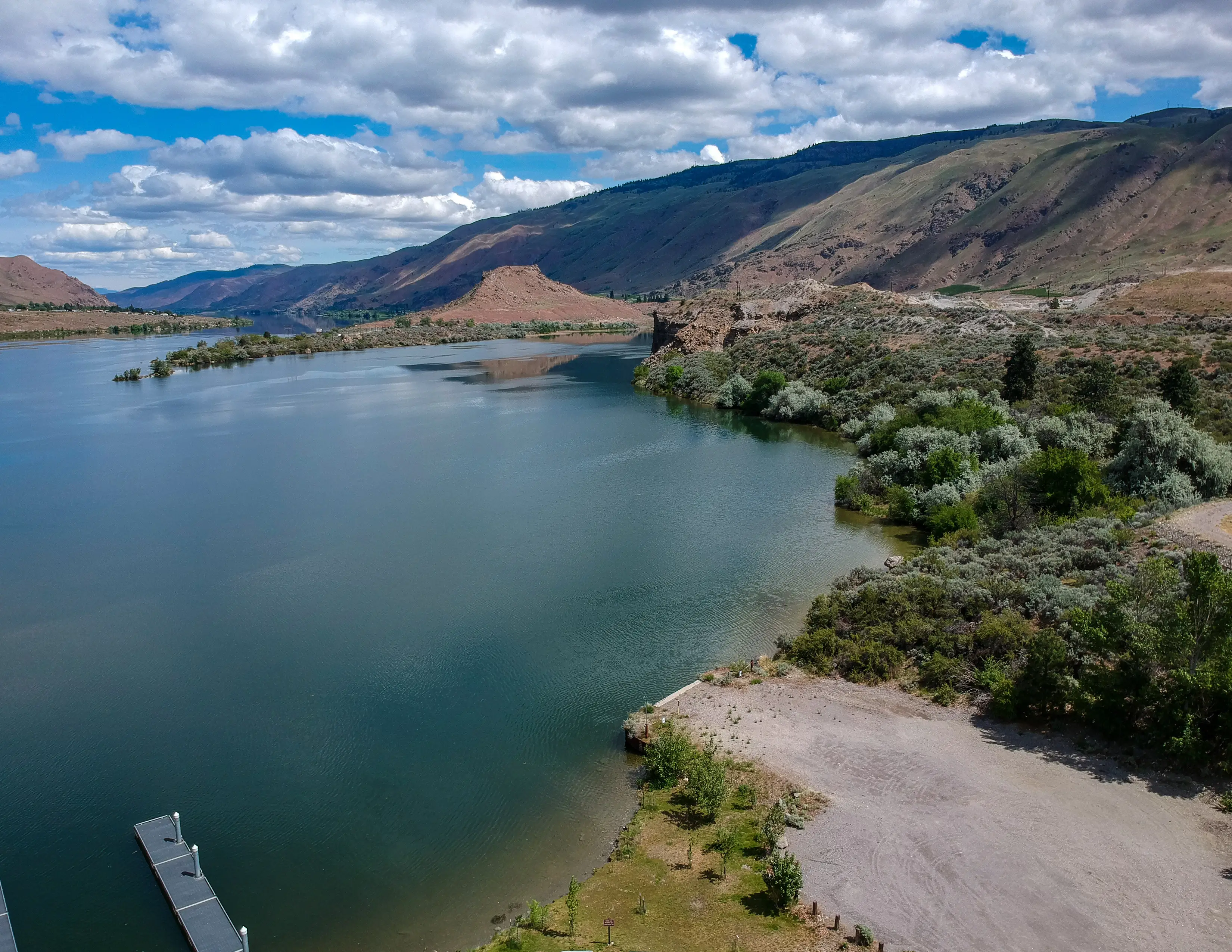
The cultural calendar runs lighter than a city this size might in Western Washington. The annual Wenatchee Apple Blossom Festival — one of the oldest and largest festivals in Washington — draws large crowds each spring across the bridge, and the Washington State Apple Blossom Association maintains it as an active multi-day event with parades, concerts, and community celebrations. The Wenatchee Valley Museum & Cultural Center, also accessible via the bridge, offers ongoing exhibits and programming. Local farmers markets during the growing season showcase the area's agricultural identity, and the Columbia River's presence creates a consistent backdrop of recreation — boating, fishing, and paddling throughout the warmer months at destinations like Lincoln Rock State Park and Daroga State Park.
Getting around without a car is possible but requires planning. Link Transit operates local and regional bus service throughout the Wenatchee Valley, including routes connecting East Wenatchee to Wenatchee's medical offices, grocery stores, and downtown. For retirees who reach a point where driving is less feasible, the 5-minute bridge crossing means most essential services — from Confluence Health appointments to full retail shopping — are reachable by transit or community transportation services. East Wenatchee Senior Living and Bonaventure both offer scheduled transportation as part of their standard amenities, reducing the burden on independent seniors without vehicles.
Daily convenience runs through the 19th Street NW and Valley Mall Parkway corridors, where major grocery options, pharmacies, banking, and retail cluster. Costco in East Wenatchee draws shoppers from across the region — a practical anchor for retired households managing household budgets carefully. The Columbia River waterfront and surrounding orchard country give daily life a distinctly Pacific Northwest agricultural character that many retirees find grounding, particularly those arriving from high-density metros looking for a quieter pace.
| City | Median Home Price | Hospital Access | Walkability | Senior Living Depth | Overall Retirement Fit |
|---|---|---|---|---|---|
| East Wenatchee, WA | $490,447 | Confluence Health (1.7 mi) | Low | Good | Strong — active retirees, tax-conscious |
| Wenatchee, WA | ~$530,000 | Confluence Health (on-site) | Moderate | Strong | Strong — best hospital proximity |
| Cashmere, WA | ~$400,000 | 15–20 min to Confluence | Very Low | Limited | Best for rural lifestyle, limited services |
| Leavenworth, WA | ~$620,000 | 30 min to Confluence | Moderate | Limited | Tourism-heavy, premium pricing |
| Spokane, WA | ~$350,000 | Providence / MultiCare | Moderate–High | Excellent | Urban retirees, more amenities |
| Quincy, WA | ~$320,000 | 45+ min to major hospital | Very Low | Minimal | Agricultural town, limited senior services |
The comparison that matters most for most buyers considering East Wenatchee is the one against Wenatchee proper. Wenatchee offers a somewhat more walkable downtown, marginally higher home prices, and the advantage of having Confluence Health's main campus essentially in-neighborhood. East Wenatchee's counter-argument is newer residential development, a slightly lower median price, no city B&O tax complications on income, and neighborhoods like Maryhill Estates and Sage Brooke that offer well-maintained single-story homes purpose-built for retirement-stage living.
Leavenworth draws retirees who love its Bavarian architecture and mountain setting, but the tourism traffic saturating US-2 on weekends, the premium home prices, and the thin senior living infrastructure make it a lifestyle choice rather than a practical retirement infrastructure choice. Spokane offers the deepest senior living ecosystem in Eastern Washington and genuinely urban walkability, but at the cost of a larger-city character that not everyone moving from the west side is looking for. East Wenatchee sits in a practical middle ground — small enough to feel like home immediately, large enough to handle most healthcare and daily living needs without a major drive.
Local Expert Takeaway: Active retirees who prioritize outdoor recreation, low taxes, and affordable housing will find East Wenatchee genuinely compelling — particularly buyers who target single-story homes in Maryhill Estates, Sage Brooke, or Cascadia, where newer construction and flatter terrain support aging in place without major renovation. Retirees who need walkable access to daily services or a dense cultural calendar should look at Wenatchee proper or consider whether Spokane's urban senior infrastructure better fits their lifestyle. The tax picture alone — zero state income tax on all retirement income, property taxes around 0.87% — makes this one of the strongest financial cases for retirement in the Pacific Northwest.
Is East Wenatchee a good place to retire?
For the right retiree, it's an excellent choice. Active adults who enjoy outdoor recreation, want to stretch retirement income in a no-income-tax state, and don't require walkable urban amenities find East Wenatchee offers a high quality of life at a fraction of Western Washington's cost. The combination of Confluence Health's regional medical depth and home prices centered around $490,000 makes the financial and practical case genuinely strong.
What healthcare is available to East Wenatchee retirees?
Confluence Health's two campuses — the 198-bed Central Campus with Level III trauma and cardiac surgery, and the Mares Campus with CARF-certified rehab and a cancer center — sit within 1.7 to 2.3 miles. The system partners with Seattle Cancer Care Alliance and Virginia Mason for specialty oncology, and carries U.S. News High Performing designations in heart attack and pacemaker care. Serious cases requiring advanced subspecialty care access UW Medicine in Seattle, roughly 2.5 to 3 hours west.
How does East Wenatchee compare to Wenatchee for retirement?
The two cities sit five minutes apart across the Columbia River and share the same healthcare system, making the practical differences smaller than the map suggests. Wenatchee offers a more walkable downtown and slightly more senior living options; East Wenatchee offers newer residential neighborhoods, comparable home prices, and a quieter residential character. Most retirees who choose East Wenatchee do so because the neighborhoods suit their lifestyle and the commute across the bridge for services is genuinely effortless.
Explore the full East Wenatchee series: The Ultimate East Wenatchee Relocation Guide · Is East Wenatchee Safe? · Cost of Living in East Wenatchee · Best Neighborhoods in East Wenatchee · East Wenatchee Schools & Family Life · East Wenatchee Youth Sports · East Wenatchee Parks & Recreation · Retiring in East Wenatchee · 1031 Tax-Deferred Exchange in East Wenatchee · East Wenatchee First-Time Homebuyers Guide · Moving to East Wenatchee from California
Tell us what you need help with and we'll connect you with local resources.

About the Author
Todd Davidson is the founder of Living in Oregon and Living in Washington, where he publishes in-depth city guides, neighborhood resources, and local market insights covering more than 180 communities across the Pacific Northwest. While his background is in home financing and real estate, he created these digital platforms to help families research and compare regions before making a move.