Eastern Washington · Washington
Maybe your company just transferred you to the Spokane metro and you've been told Spokane Valley is "basically the same as Spokane but cheaper." Maybe you've been watching Eastern Washington home prices from Seattle or Portland, doing the math, and wondering if the 48% discount is real or comes with strings attached. Maybe you drove through on I-90, saw the big-box corridor along Sprague Avenue, and wrote it off before you understood what sits a mile north or south of that strip.
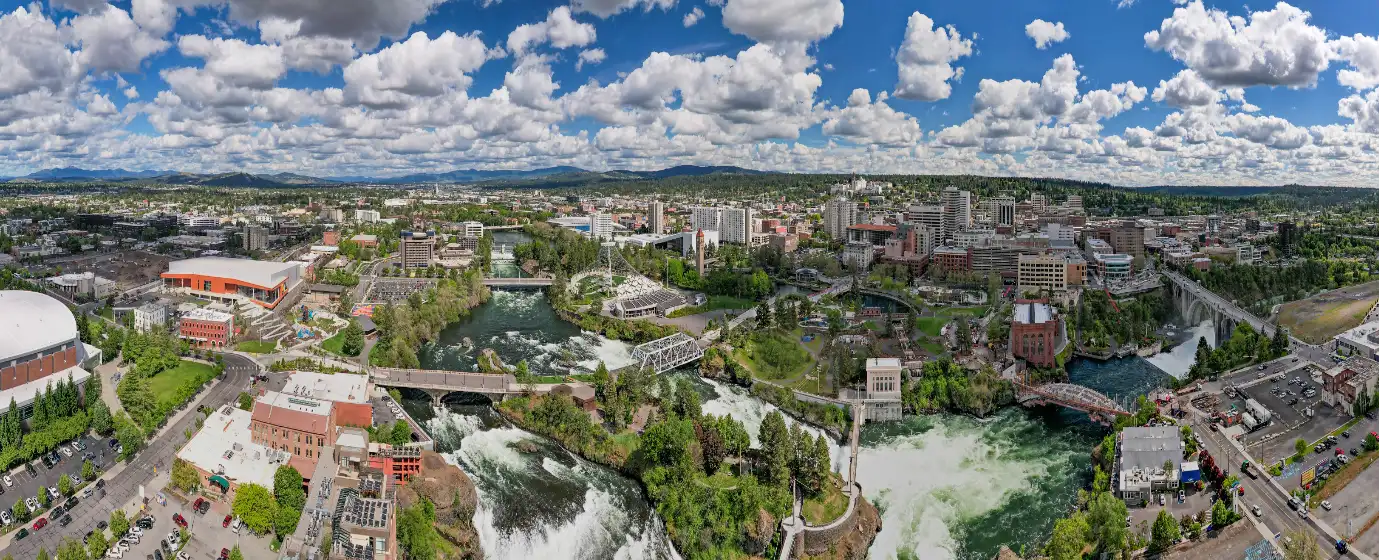
Spokane Valley is the eighth most populated city in Washington state — with over 110,000 residents — and it carries a tension that surprises almost every relocating buyer: it looks like a suburb on the surface but functions as a genuine city with its own employment base, school system, and civic identity. It sits about 21 minutes east of downtown Spokane, hugging the Idaho border, with Coeur d'Alene just 30 miles further. The Spokane River runs through it. The Centennial Trail connects it. The Cascades are not here, but the Rockies begin just over the state line, and Spokane Valley residents have ski resorts, lakes, and hiking within an hour in almost every direction.
This guide will help you figure out whether Spokane Valley fits your life — not just your budget. You'll get the real neighborhood breakdown, the honest tradeoffs, the things that surprise people after six months of living here, and the community quirks that don't show up on any relocation spreadsheet. If you're choosing between renting in Spokane proper and buying in Spokane Valley, this is the guide that will make that decision clearer.
Before diving into geography and neighborhood character, it helps to know who tends to thrive here — and who tends to find it frustrating after a year.
| Best For | Why |
|---|---|
| First-time buyers | The median sold price of $458,645 opens doors that western Washington long ago closed — entry-level homes exist around $266,000 |
| Families with school-age children | Central Valley School District's 90% graduation rate and growing Ridgeline High School are a genuine draw |
| Healthcare workers | Providence Health & Services and MultiCare both operate major facilities here, eliminating the commute |
| Remote workers from high-cost metros | Pacific Northwest climate, outdoor access, and home prices roughly half what Seattle commands |
| Retirees downsizing from larger metros | Lower property taxes, single-story inventory, and proximity to Spokane's full medical infrastructure |
| Commuters to downtown Spokane | The 21-minute average commute by car is one of the most forgiving in any mid-size metro |
The geography here does more to shape daily life than most people expect. Spokane Valley is oriented roughly east-west along the I-90 corridor, with the Spokane River and Centennial Trail defining the northern edge and residential neighborhoods fanning out to the south toward the Dishman Hills. Sprague Avenue — the old U.S. Route 10 — runs the length of the city and carries most of the commercial traffic: fast food, auto shops, discount retailers, and the Spokane Valley Mall anchoring the middle stretch. If you make the mistake of driving Sprague and judging the city by it, you'll miss entirely what's happening on the quiet residential streets one block north or half a mile south.
The commute reality is one of Spokane Valley's most underappreciated assets. The 21-minute drive to downtown Spokane on a normal weekday morning is genuinely achievable — not a best-case scenario. I-90 westbound gets heavier during the 7:30–8:30 a.m. window, and the Sullivan Road interchange tends to be the chokepoint. Residents who shift their departure to before 7:15 a.m. or after 8:45 a.m. often shave another five minutes off the trip. For the significant portion of Spokane Valley residents who work within the city itself — at Providence, MultiCare, Kaiser Aluminum, or Amazon's fulfillment operation — the commute question barely registers.
The community vibe reads differently depending on where you land. The northern neighborhoods near Mirabeau Point Park have a genuine outdoorsy energy — people using the Centennial Trail on weekday mornings, families gathering at Discovery Playground on Saturdays, the park's amphitheater filling up in summer. The southern reaches near Dishman Hills feel quieter and more suburban-residential, with long-established neighborhoods that haven't changed much in twenty years. CenterPlace Regional Event Center has become something of a civic anchor, hosting everything from wedding receptions to community programs, and it's the kind of facility that signals a city taking itself seriously.
What surprises most people after six months of living here is the access. Not just the 21-minute commute, but the fact that Mount Spokane Ski and Snowboard Park is 45 minutes north, Coeur d'Alene Lake is 30 minutes east, and hiking in the Selkirk Mountains is a genuine weekend option. Residents who move from the Puget Sound corridor expecting to give up outdoor access often find they have more of it here — without the four-hour ferry-and-traffic ordeal.
The most concrete reason people stay in Spokane Valley is the housing value, and it's worth being specific about what that actually means. At a median sold price of $458,645, a family with a median household income around $74,000 can realistically own a three-bedroom home with a yard — something that requires a household income north of $150,000 in most Seattle-area suburbs. The full price range runs from roughly $266,000 for entry-level older construction up to $1.2 million for newer luxury builds on the eastern edges. The property tax rate of 0.95% means the annual tax bill on a median-priced home runs approximately $4,357 — a figure that genuinely shocks buyers relocating from Oregon or California.
The school picture is more nuanced than a single letter grade, but Central Valley School District has been on a sustained upward trajectory that's hard to ignore. The district's graduation rate has climbed to 90% — up from 78% just five years ago — and the opening of Ridgeline High School brought modern facilities and expanded programs to the growing eastern corridor. The STEM Academy at Spokane Valley Tech (SVT) gives academically motivated students a specialized pathway that many larger cities don't offer at the public school level. For families with school-age children who don't want to pay private school tuition, this district is doing the things that matter.
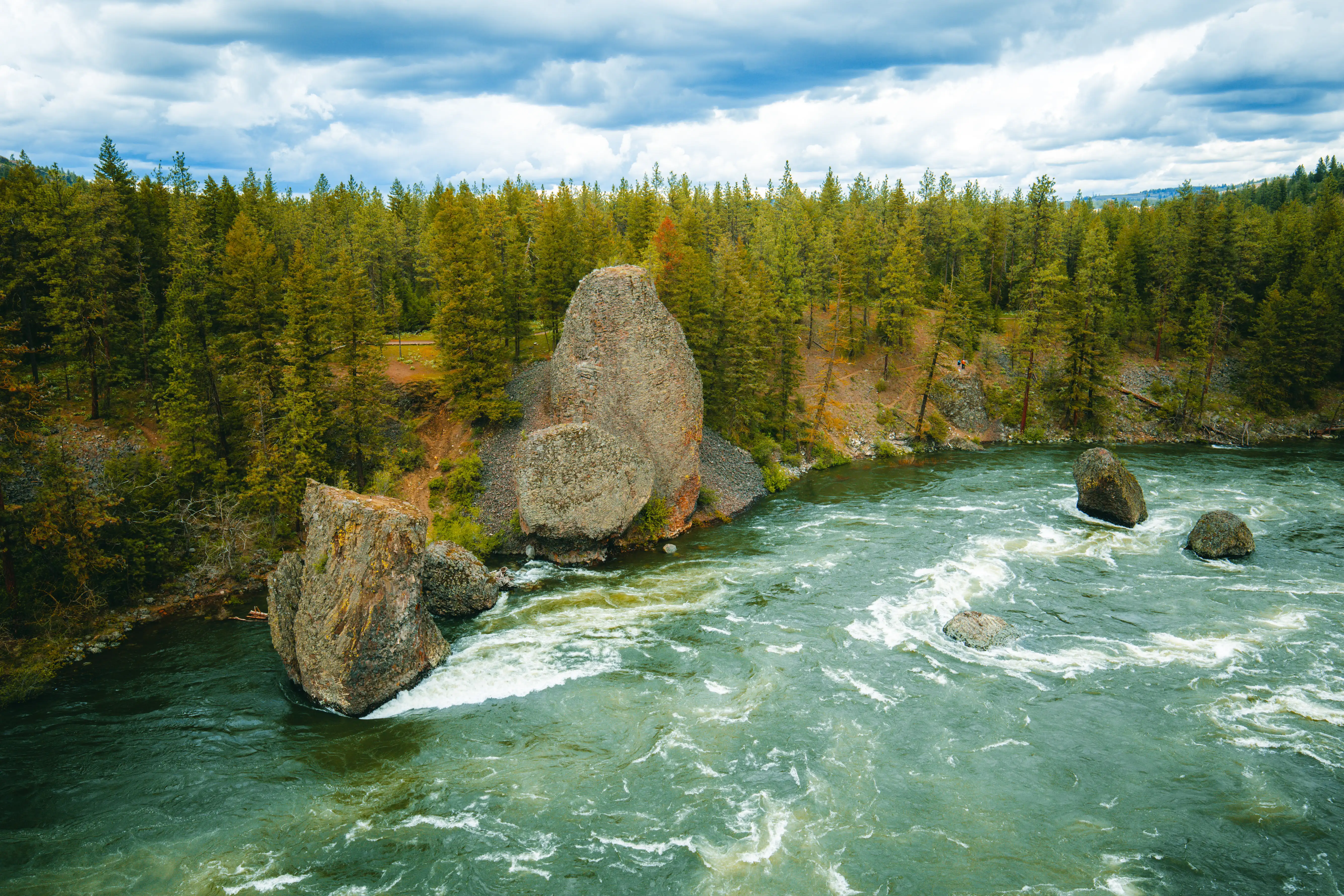
Outdoor access is Spokane Valley's most undermarketed strength. The Centennial Trail runs 37 miles along the Spokane River and is genuinely usable year-round — cyclists and runners from across the metro use the Spokane Valley sections regularly. Dishman Hills Natural Area offers 530+ acres of rocky terrain and forested trails within the city limits, which is remarkable for a city of this size. Green Bluff, just north of the city, becomes a seasonal ritual for many residents — apple orchards, pumpkin patches, and u-pick farms drawing families every fall weekend in a tradition that feels deeply local rather than manufactured.
The employment base within the city itself gives Spokane Valley a stability that pure bedroom communities lack. Providence and MultiCare together represent thousands of healthcare jobs. Kaiser Aluminum and Key Tronic provide manufacturing employment. Avista Corporation, headquartered nearby, anchors the utilities sector. Amazon's fulfillment operation added significant logistics employment. This isn't a city where everyone commutes out every morning — a meaningful percentage of residents work within Spokane Valley itself, which keeps the daytime community alive and the local economy resilient.
Looking to buy in Estimate your payment.
Enter your numbers to see an estimated monthly mortgage payment.
Estimate only. Excludes HOA fees and mortgage insurance.
Spokane Valley's commercial landscape along Sprague Avenue is the most common source of buyer disappointment. If you're coming from a walkable urban neighborhood — Capitol Hill in Seattle, the Pearl District in Portland, even downtown Spokane — the experience of living in Spokane Valley requires a car for almost everything. Grocery runs, coffee, dinner out: all of it involves driving. There's no main street in the traditional sense. The Spokane Valley Mall serves as the closest thing to a town center, which tells you something about the city's walkability profile. Buyers who prioritize being able to stroll to a coffee shop or walk to dinner should look at Liberty Lake to the east or downtown Spokane to the west before committing here.
The weather is a legitimate consideration that some relocation guides downplay. Spokane Valley averages about 41 inches of snow annually with 17 inches of total precipitation — the climate is semi-arid continental, meaning cold dry winters and warm dry summers. The summers are genuinely excellent: 90-degree days are common in July and August, but the low humidity makes them feel nothing like the Midwest. The winters are the honest tradeoff. December through February brings reliable snow, ice, and temperatures that regularly drop below 20°F. Residents who've lived through a Spokane Valley winter for the first time often describe the first October ice storm on I-90 as a genuine adjustment. The roads are managed, the city has infrastructure for it, but it's not a mild Pacific Northwest coast winter.
Why some people leave comes down to one of two things: they miss walkability and urban density, or they got transferred. The Sprague Avenue corridor can feel aesthetically exhausting after a few years to buyers who weren't fully prepared for a car-dependent lifestyle. Younger buyers in their mid-twenties who moved here for affordability sometimes find themselves gravitating back toward Spokane proper once they've built equity and want the bar scene, restaurant density, and bike infrastructure that downtown Spokane offers. That's not a failure of Spokane Valley — it's a reasonable life-stage transition that worth acknowledging before you buy.
Property crime is a genuine concern worth naming plainly. At 36 incidents per 1,000 residents, the property crime rate is elevated — higher than national averages. Car break-ins and vehicle theft are the most commonly reported issues, particularly in the commercial corridors around Sprague and near the mall. Most of the residential neighborhoods covered in this guide are significantly quieter than those commercial zones, and the 3.3 violent crimes per 1,000 residents rate is lower than many comparable mid-size cities. But buyers who are accustomed to very low property crime rates should factor this in before settling on a neighborhood.
Veradale is the neighborhood most likely to exceed relocating buyers' expectations. Established trees, mountain views from the higher elevations, and proximity to some of the district's most consistent schools make it one of the more sought-after addresses in Spokane Valley. The median sale price runs around $442,000, with the upper end pushing well past $500,000 for newer construction. Shopping along Sprague Avenue is immediately accessible, but the residential streets themselves are quiet — the commercial noise stays on the arterials.
Best for: Families with school-age children who want established neighborhood character without the newest-construction price premium.
Greenacres sits toward the eastern edge of Spokane Valley and has been absorbing a significant amount of new construction over the past decade. The neighborhood feels newer and more suburban in character — wider lots, more recent builds, a less mature tree canopy. The median sits around $464,000–$477,000, and the inventory here tends to be larger square footage for the price than you'll find in the central Valley neighborhoods. The catch is that the eastern location adds five to eight minutes to the downtown Spokane commute compared to neighborhoods closer to Sullivan Road.
Best for: Buyers prioritizing newer construction and larger lots over walkability or commute time.
The Dishman neighborhood takes its name from the Dishman Hills Natural Area — 530-plus acres of public land with rocky outcroppings, ponderosa pine forest, and trails that feel genuinely wild for a neighborhood inside city limits. Home prices here run in the mid-$300s to low-$400s, with the city-wide median for the Dishman area landing around $375,000–$405,000. The tradeoff is that housing stock is older, and the proximity to the commercial Sprague corridor is more pronounced than in neighborhoods to the north.
Best for: Outdoor-focused buyers who want trail access from the backyard and are comfortable with older housing stock.
Mirabeau is where Spokane Valley's parks investment is most visible. Mirabeau Point Park, CenterPlace Regional Event Center, Discovery Playground, and the Mirabeau Meadows amphitheater all cluster in this corridor, making it the closest thing the city has to a true civic center. Homes here range across the city-wide spectrum — from mid-$400s for older ranch-style homes to over $600,000 for newer builds with river views. The Centennial Trail access from this neighborhood is excellent, and the overall feel is the most "destination" of any Spokane Valley neighborhood.
Best for: Buyers who want community infrastructure — parks, events, trail access — within walking distance of their front door.
Trentwood runs along the northern edge of Spokane Valley near the Spokane River, with a more working-class character than the southern neighborhoods. Home prices have averaged around $432,000–$484,000 over the past year, though the range is wide depending on river proximity and lot size. It's a neighborhood that rewards buyers who are willing to look past cosmetics — there's real value here, and the Centennial Trail access along the river edge is a legitimate lifestyle asset. The honest note: parts of Trentwood are closer to industrial uses than buyers coming from quieter suburban markets might expect.
Best for: Value-focused buyers willing to do some homework on specific streets to find the best pockets.
South Pines occupies the quieter southern reaches of Spokane Valley, removed from the I-90 corridor noise and the Sprague commercial strip. It's a predominantly residential neighborhood with a mix of mid-century and newer construction, attractive to buyers who want suburban quiet without paying Veradale prices. Pricing runs in the mid-$400s for most single-family homes, with some newer builds approaching $550,000. The Dishman Hills Natural Area is accessible from the southern portions, adding a recreational dimension that makes the distance from commercial amenities easier to accept.
Best for: Buyers who prioritize quiet residential streets and natural area proximity over proximity to retail and restaurants.
Chester is one of Spokane Valley's more established residential neighborhoods — long-settled, with mature landscaping, and a neighborhood identity that predates the city's 2003 incorporation. Home values sit comfortably in the mid-$400s, and the neighborhood's proximity to schools, parks, and the Sullivan Road corridor makes daily logistics straightforward. It doesn't have the cachet of Veradale or the trail access of Mirabeau, but it's the kind of neighborhood where families buy a first home and stay for fifteen years.
Best for: Practical buyers who want an established, stable neighborhood without lifestyle premium pricing.
The Barker and Progress Road corridor represents Spokane Valley's growing edge — development pressure from Liberty Lake pushing west, new residential subdivisions, and retail infrastructure following population growth. New construction here targets buyers who want modern floor plans and energy efficiency, and prices reflect that: newer builds routinely price above the city median. The proximity to the Idaho border and the growing Liberty Lake employment corridor makes this area increasingly attractive to buyers who work in eastern Spokane County or Coeur d'Alene.
Best for: Buyers who want new construction, value proximity to Liberty Lake's amenities, and don't mind being on the frontier of the city's eastern growth edge.
| City | Best For | Median Home Price | Commute to Spokane | Vibe |
|---|---|---|---|---|
| Spokane Valley | Value buyers, families, healthcare workers | $458,645 | 21 min | Suburban city with outdoor access |
| Spokane | Urban walkability, nightlife, young professionals | ~$340,000 | 0 min | Mid-size city core |
| Liberty Lake | Executive housing, newer construction, Idaho access | ~$575,000 | 28 min | Upscale planned community |
| Post Falls, ID | Lower taxes, newer development, Idaho lifestyle | ~$420,000 | 35 min | Idaho border suburb |
| Millwood | Small-town feel, historic character | ~$300,000 | 15 min | Tight-knit historic enclave |
| Coeur d'Alene, ID | Lake access, resort lifestyle, remote workers | ~$530,000 | 45 min | Outdoor resort town |
| Category | Data |
|---|---|
| Population | 110,577 (2026 estimate) |
| Median Sold Home Price | $458,645 (Spokane Realtors Association, March 2026) |
| Median Household Income | ~$74,042 |
| Property Tax Rate | ~0.95% |
| Median Rent | ~$1,247/month |
| Average Commute to Spokane | 21 minutes by car |
| School District | Central Valley School District (B+) |
| Graduation Rate | 90% (CVSD) |
| Violent Crime per 1,000 | 3.3 |
| Property Crime per 1,000 | 36 |
| Annual Snowfall | ~41 inches |
| Washington State Cost of Living | ~12% below state average |
Valleyfest is a bigger deal than outsiders expect. Every September, Mirabeau Point Park transforms for a full weekend festival that's been running for three decades — the Hearts of Gold Parade on September 25, 2026, followed by two full days of events September 26–27. Car shows, STEAM programming, CultureFest bringing international music and food traditions, and a community energy that functions as something of an annual reunion for longtime residents. It's free, it's genuinely attended, and if you want to understand what Spokane Valley thinks of itself, showing up for Valleyfest weekend is the fastest way to find out.
Green Bluff is an autumn ritual, not just a day trip. The agricultural community north of the city — technically outside Spokane Valley's limits but deeply embedded in resident culture — fills with families every fall weekend from mid-September through October. U-pick apple orchards, pumpkin patches, farm stands, and harvest festivals draw locals back year after year with a consistency that feels less like a trend and more like a tradition. Residents who move here and don't make it to Green Bluff in their first fall often feel like they missed something.
Hoopfest pulls the whole region together. Spokane's annual 3-on-3 basketball tournament — held just 20 minutes west in downtown Spokane — is legitimately the largest outdoor basketball tournament in the world, filling 45 city blocks with over 6,000 teams each June. Spokane Valley residents participate and attend in force, and the event functions as a regional identity anchor in a way that's hard to explain to someone who hasn't experienced it.
What I would not do if moving here: I would not buy a home on Sprague Avenue or within one block of it without spending a weekday afternoon sitting in the backyard first. The commercial corridor generates more traffic noise and foot traffic than the residential nature of nearby side streets suggests. Buyers who purchase based on interior photos and a quick driveway visit frequently find the Sprague adjacency more intrusive than anticipated. If a listing is priced noticeably below comparable homes in the same neighborhood, the first question to ask is how close it sits to the commercial strip.
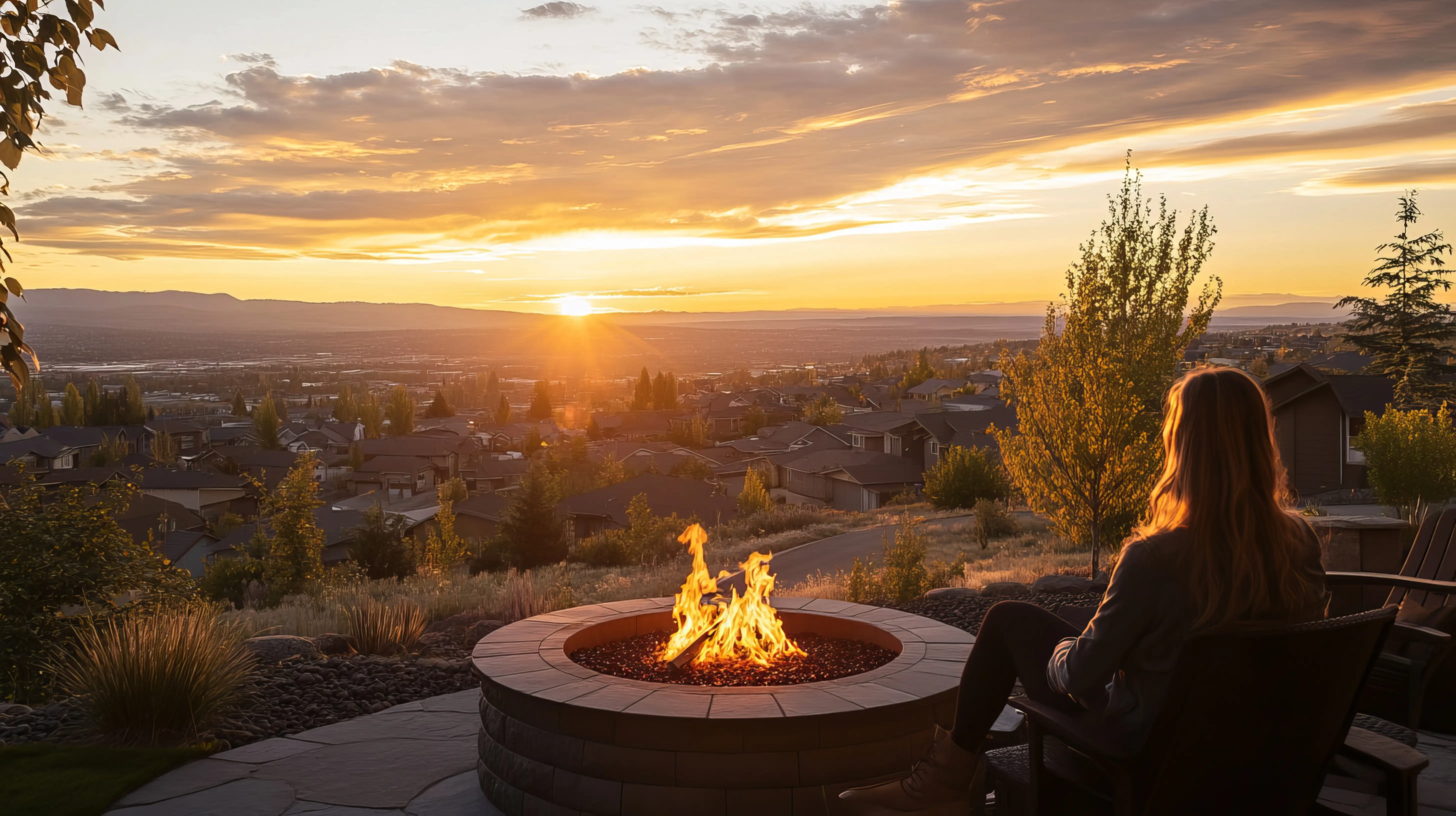
Local Expert Takeaway: The Spokane Valley housing window right now is genuinely interesting — prices softened in 2025, days-on-market stretched to around 69 days, and buyers have more negotiating room than they've had in years. If your priority is established neighborhood character with trail access, the Mirabeau and Veradale areas are worth targeting first. If new construction and a lower entry point are driving the decision, the Barker/Progress Road corridor and Greenacres both offer recent inventory below the western Washington equivalents. The one thing I'd tell every buyer: come see the Dishman Hills and the Centennial Trail access before you decide — the outdoor infrastructure here doesn't show up on Zillow photos, and it's often the thing that closes the deal.
✅ Spokane Valley offers genuine homeownership access at a median price of $458,645 — with entry-level homes still available below $300,000 and property taxes running approximately 0.95%.
⚠️ The city is car-dependent by design, and buyers who prioritize walkability, urban dining density, or nightlife access should look at downtown Spokane or Liberty Lake before committing to Spokane Valley.
📍 Central Valley School District's 90% graduation rate and the opening of Ridgeline High School make this one of the stronger public school situations in Eastern Washington — a meaningful data point for families choosing between districts.
Is Spokane Valley a good place for families?
Yes — Central Valley School District serves the majority of the city with a 90% graduation rate and specialized programs including the STEM Academy at SVT and Ridgeline High School. The combination of Mirabeau Point Park, the Centennial Trail, Discovery Playground, and the annual Valleyfest tradition gives families a genuine community infrastructure that supports an active, outdoor-oriented family lifestyle.
What is the crime rate in Spokane Valley?
The violent crime rate sits at 3.3 per 1,000 residents — lower than many comparable mid-size cities. Property crime, at 36 per 1,000 residents, is the more prominent concern, particularly vehicle-related theft near commercial corridors. Most established residential neighborhoods report significantly less activity than those commercial areas, and buyers can mitigate exposure through neighborhood selection and standard vehicle security practices.
How does Spokane Valley compare to buying in Spokane or Liberty Lake?
Spokane proper offers more urban walkability and a lower median home price — around $340,000 — but comes without Spokane Valley's school district consistency. Liberty Lake to the east sits roughly $115,000 higher in median price and offers a more planned, upscale community feel with newer infrastructure. Spokane Valley hits the middle of that range: better schools than central Spokane's most affordable neighborhoods, more space and value than Liberty Lake, and a 21-minute commute that neither of those alternatives significantly beats.
Explore the full Spokane Valley series: The Ultimate Spokane Valley Relocation Guide · Is Spokane Valley Safe? · Cost of Living in Spokane Valley · Best Neighborhoods in Spokane Valley · Spokane Valley Schools & Family Life · Spokane Valley Youth Sports · Spokane Valley Parks & Recreation · Retiring in Spokane Valley · 1031 Tax-Deferred Exchange in Spokane Valley · Spokane Valley First-Time Homebuyers Guide · Moving to Spokane Valley from California
Tell us what you need help with and we'll connect you with local resources.

About the Author
Todd Davidson is the founder of Living in Oregon and Living in Washington, where he publishes in-depth city guides, neighborhood resources, and local market insights covering more than 180 communities across the Pacific Northwest. While his background is in home financing and real estate, he created these digital platforms to help families research and compare regions before making a move.