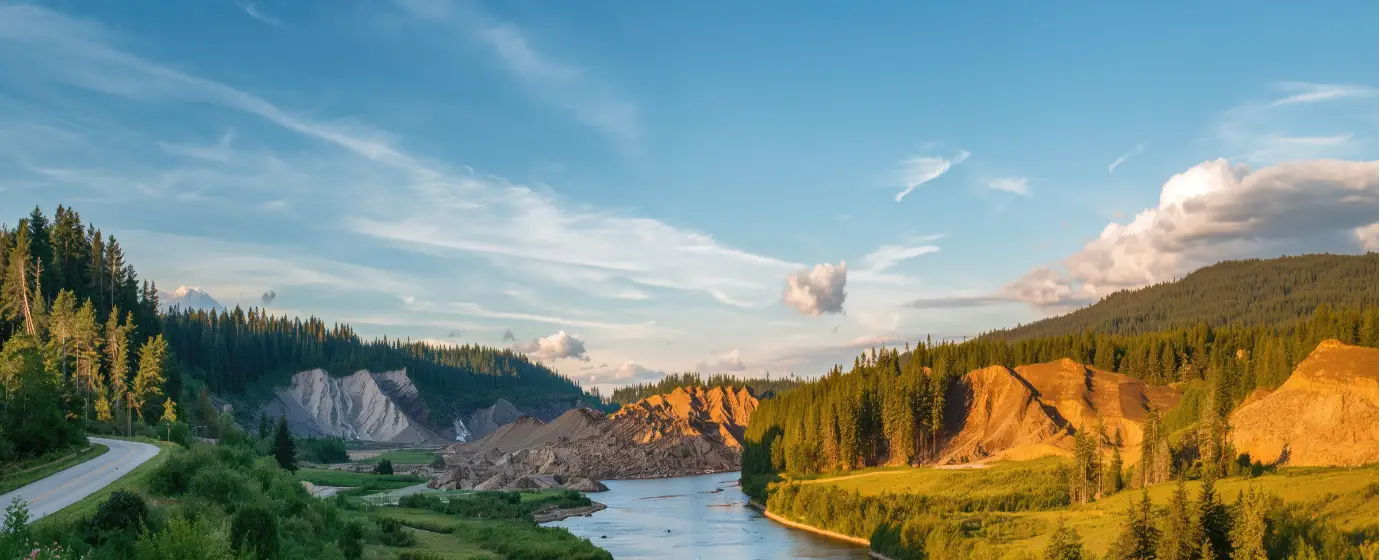
Puget Sound · Washington
Maybe your company is relocating you to the Puget Sound corridor and someone in HR mentioned Arlington as a place worth looking at. Maybe you've watched Everett and Marysville prices climb and a coworker told you that Arlington still has homes under $600,000 — real ones, on real lots, with real trees in the backyard. Or maybe you drove through on I-5 and noticed the mountains felt closer than usual, the town looked quieter than you expected, and you thought: what's actually going on here? Arlington's central tension is this — it's a genuine small city with an identity that predates the growth around it, sitting at the edge of both a major interstate corridor and the foothills of the North Cascades. That combination draws people who want the Pacific Northwest they came for, not just a suburb of a suburb.
Geographically, Arlington occupies a narrow but strategic position in the Stillaguamish River Valley, roughly 40 miles north of Seattle and about 25 minutes from Everett. Interstate 5 and State Route 9 both run through the city, and SR-530 heads east toward the mountains — which means that on a Friday afternoon, you can be standing in the produce aisle at Smokey Point and inside Darrington's old-growth forest canopy within 45 minutes. The city itself is about 9.3 square miles, home to just under 23,000 people as of 2025, and it carries a median household income of approximately $88,231. Those numbers describe a working-family city — not a bedroom community catering to tech wealth, not a rural town hoping growth will arrive.
This guide will help you figure out whether Arlington actually fits your life. You'll get the real commute math, the neighborhood distinctions that matter, the honest tradeoffs that most relocation content skips, and enough local texture to know whether you're looking at a place to plant roots or just a temporarily affordable zip code.
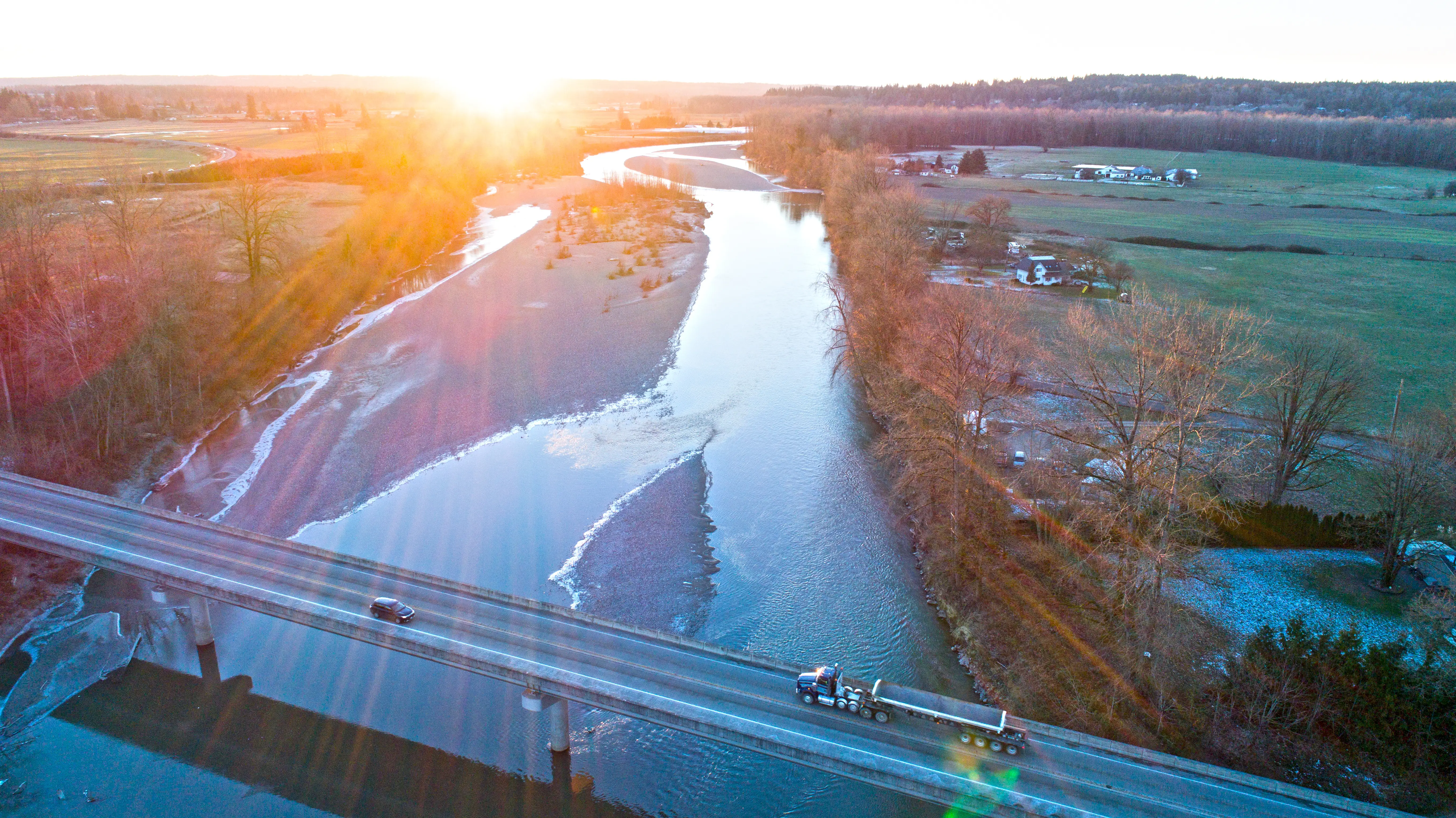
Not every city works for every buyer, and Arlington is honest about that. The table below gives you a quick gut-check before you spend a weekend driving the neighborhoods.
| Best For | Why |
|---|---|
| Boeing & Paine Field commuters | 20–27 miles south to Everett; more affordable than Mukilteo or Mill Creek while keeping a reasonable commute |
| Families with school-age children | Arlington School District serves roughly 5,600 students across 11 schools with a graduation rate that has climbed to 87% |
| Outdoor-oriented remote workers | Fast access to SR-530, the Stillaguamish River, and North Cascades trailheads; fiber-connected subdivisions support work-from-home |
| First-time buyers | Median home values in the $550,000–$600,000 range are among the most accessible in Snohomish County |
| Healthcare workers | Cascade Valley Hospital (Skagit Regional Health) is a 48-bed facility with five clinics and a surgery center — meaningful local employment |
| Buyers priced out of Everett or Bothell | Similar Puget Sound lifestyle, meaningfully lower price point, faster lot sizes |
The first thing you notice driving into Old Town is that Olympic Avenue has the bones of a real main street — not a strip mall wearing a facade, but actual historic storefronts with cafes, diners, and antique shops that have been there long enough to have regulars. The neighborhood is genuinely family-oriented, with locally owned businesses that cycle slowly, and a pace of life that feels provincial in the best sense. If you've been living in Bellevue or Redmond, the contrast lands hard, and for most people, it lands pleasantly.
Daily life in Arlington organizes itself around two distinct zones. Old Town is where you go for coffee, community, and the Stillaguamish River trail access. Smokey Point — the commercial corridor hugging I-5 near the Arlington-Marysville border — is where you go for everything else. That's where you'll find the grocery stores, the chain restaurants, the hardware stores, and the big-box retail. Most Arlington residents bounce between these two zones constantly, and learning the difference between them is the single most useful thing you can do before choosing which neighborhood to buy in.
The commute reality deserves honesty. That 55-minute figure to Seattle is a real-world average, not a Google Maps optimistic estimate — but it assumes normal I-5 conditions, and I-5 north of Everett does not always cooperate. Buyers headed to Paine Field or Everett proper have a legitimately good situation: 25–35 minutes in normal conditions, even during peak hours on most days. The people who report the highest daily friction are those commuting all the way into Seattle, particularly if their office is south of downtown.
What surprises most people after six months of living here is how quickly the mountain access shifts from a bonus to a lifestyle anchor. SR-530 toward Darrington is not a weekend drive — it becomes a Thursday-evening run to the river, a Saturday morning before the stores open, a default answer to the question of what to do with two free hours. That access doesn't show up in any spreadsheet comparison, but it tends to dominate the reasons why people who could afford to move elsewhere choose not to.
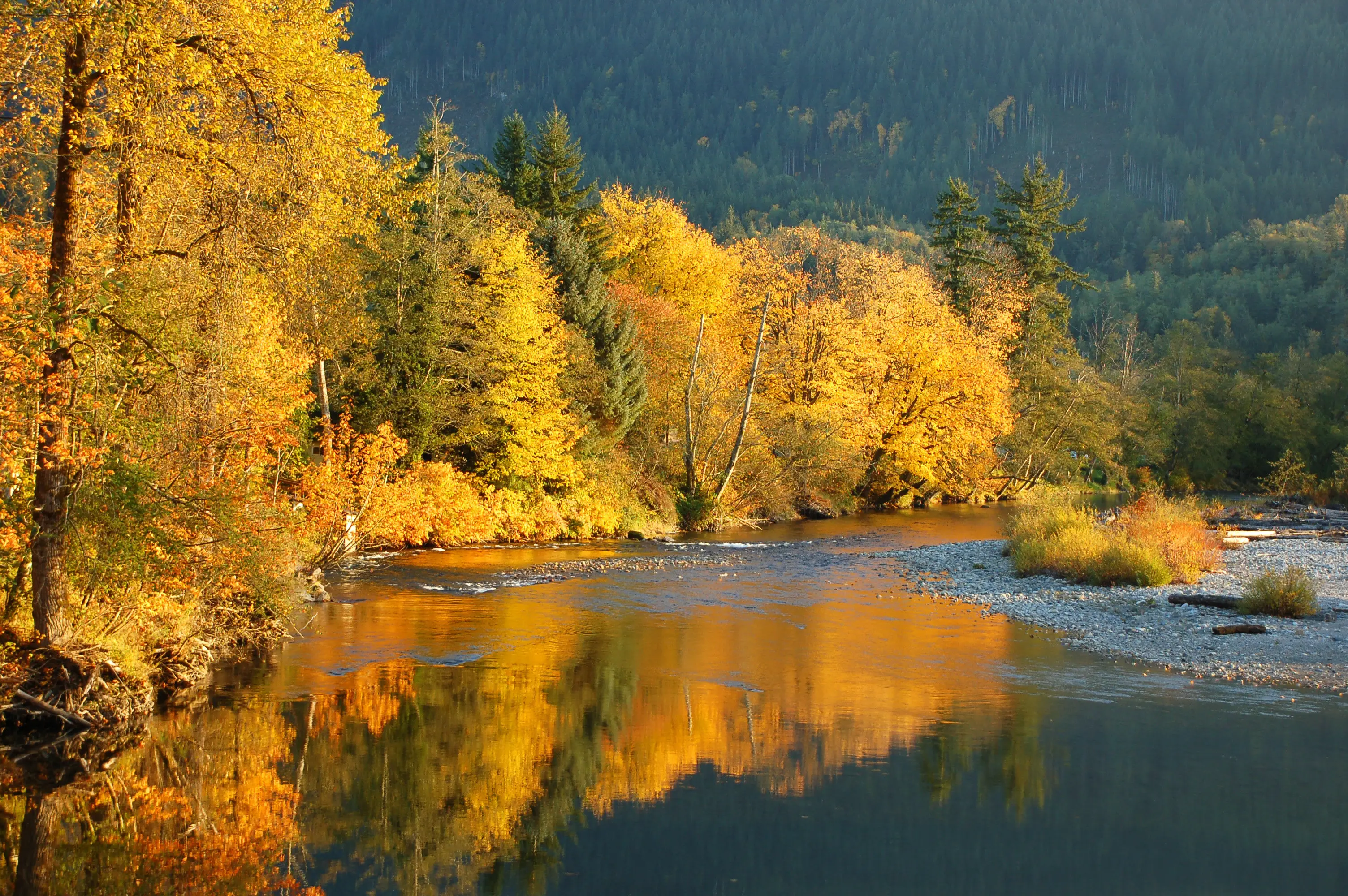
Arlington's outdoor infrastructure is legitimately exceptional for a city its size. The Centennial Trail runs directly through the area, offering a paved multi-use path that connects communities across Snohomish County. Lake Armstrong and Lake Ki both sit within the city's orbit — two freshwater lakes with boat launches and recreational access that would command a significant price premium in any other Puget Sound market. The Stillaguamish River, which defines the valley, offers steelhead fishing that draws serious anglers from across the region, not just weekend hobbyists.
The healthcare situation is better than most comparably sized cities in western Washington. Cascade Valley Hospital — operated by Skagit Regional Health — functions as a full-service 48-bed community hospital with a Level IV trauma center, emergency department, five clinics, and a freestanding surgery center on a 17-acre campus. For a city of 23,000, that's meaningful infrastructure. Residents aren't driving to Everett for every urgent care visit or specialist appointment.
Housing affordability is real here, and it's worth being specific about it. The Zillow Home Value Index for Arlington sits at $598,417, while the median sold price as of late 2025 ran approximately $549,000. Neither figure is a distortion from a few luxury outliers — this is simply what the mid-tier Snohomish County market actually looks like. Buyers coming from Seattle's east side, where equivalent homes run $900,000 or more, consistently report shock at what their budget unlocks in Arlington.
The community identity is also stable in a way that matters. Arlington has been incorporated since 1903, and that history gives Old Town a weight that newer master-planned communities lack. The Arlington Farmers Market, active through summer, pulls the community together in a way that feels organic rather than programmed. Annual events like the Fly-In & Airshow at Arlington Municipal Airport — one of the Pacific Northwest's most notable general aviation events — draw tens of thousands of visitors and remind residents that their city has a distinct identity, not just a convenient freeway exit.
Looking to buy in Estimate your payment.
Enter your numbers to see an estimated monthly mortgage payment.
Estimate only. Excludes HOA fees and mortgage insurance.
The Seattle commute is the first tradeoff most buyers discover, and it's worth naming plainly. Fifty-five minutes in average conditions becomes 75 or 80 on bad weather days, and I-5's notorious bottleneck between Marysville and Everett can turn a manageable commute into a daily grind within a few months. Buyers who are fully remote or whose jobs anchor near Paine Field sidestep this entirely, but if your office is south of downtown Seattle, Arlington demands honest lifestyle math before you commit.
The city's commercial development pattern also requires adjustment. Old Town's walkable core is charming but limited — you're not going to find a full grocery store, a pharmacy, and a gym all within a ten-minute walk of most residential neighborhoods. Smokey Point delivers the retail you need, but it's a car-dependent commercial strip. If walkability is a hard requirement, Arlington is going to disappoint you, and that's not a knock on the city — it's just an honest description of what it is.
Some buyers also find the growth pace disorienting over time. Arlington has grown more than 14% since the 2020 census, and that growth has arrived unevenly — new subdivisions on the city's edges running up against older rural-residential fabric closer to the river. Infrastructure like roads and school capacity can lag behind the permit counts, and residents in established neighborhoods sometimes feel the pressure of that imbalance.
Why some people leave: The primary driver isn't the city itself — it's the Seattle commute compounding over years. Families who initially accept the trade-off sometimes find that two years of long commutes erodes the quality-of-life calculation that made Arlington attractive in the first place, and they migrate south to Lynnwood or Edmonds to claw back an hour of daily life. Buyers who work locally or remotely almost never leave for this reason; it remains overwhelmingly a commuter-fatigue story.
Arlington's neighborhood landscape ranges from lake-access communities with a distinct residential character to newer subdivisions on the city's hillsides to the commercial-adjacent zones near Smokey Point. These eight represent the most meaningful distinctions for buyers.
Old Town is Arlington's historic core, anchored by Olympic Avenue and the walkable blocks that surround it. Small independent businesses line the main street — cafes, boutiques, antique shops — and the neighborhood carries a genuinely lived-in feel that newer parts of the city lack. Home styles here tend toward older craftsman and ranch construction, and prices typically run slightly below the city median given the age of the stock.
Best for: Buyers who prioritize walkable community character and can handle older homes that may need updating.
Smokey Point is where the commercial energy of Arlington concentrates — retail, dining, and newer residential development all clustered near the I-5 interchange. Homes here tend to be newer construction with smaller lots, and the immediate convenience of everything from grocery stores to urgent care is the primary selling point. The tradeoff is noise and traffic from the commercial corridor, which doesn't disappear after 9 p.m.
Best for: Commuters and households who prioritize daily convenience and prefer newer construction.
Crown Ridge sits on elevated ground above the valley floor, offering some of the better views of the surrounding mountain ridgelines available in Arlington's residential inventory. Homes trend larger here, with construction from the late 1990s through 2010s, and the neighborhood's elevation provides a physical separation from the commercial bustle below. Prices tend to run at or slightly above the city median.
Best for: Families who want established neighborhood feel, larger homes, and mountain views without a premium lakefront price.
Eagle Heights is one of Arlington's more established hillside neighborhoods, featuring a mix of single-family homes with meaningful lot sizes and mature tree cover. The area attracts buyers who want a residential buffer from the commercial corridors while keeping a short drive to Smokey Point's amenities. Pricing generally tracks the city-wide range, with variation based on lot size and condition.
Best for: Families with children who want neighborhood stability and proximity to schools without being in the thick of new development.
Living near Lake Armstrong means freshwater access becomes a daily reality rather than a weekend trip. Homes in this area vary widely — from modest older cabins that have been updated to full-scale lakefront residences — and that range is reflected in pricing, which can run notably above the city median on true waterfront lots. The atmosphere is quieter and more recreation-oriented than Arlington's hillside subdivisions.
Best for: Outdoor-focused buyers and recreational boaters who are willing to pay a premium for waterfront access.
Lake Ki offers a similar recreational appeal to Lake Armstrong in a slightly more intimate setting. The community around the lake has a close-knit residential character, and properties here tend to be on larger parcels. Like any lake-access community in the region, waterfront pricing sits above the city average, and buyers should expect competition from buyers who've been watching the area for years.
Best for: Buyers prioritizing peace, privacy, and lake access over proximity to commercial services.
Sisco Heights occupies a hillside position with older residential stock and a neighborhood identity that predates much of Arlington's recent growth. Homes here tend to be modestly sized, and the area has historically attracted buyers looking for value rather than premium finishes. It's one of the more affordable pockets within the city's established neighborhoods.
Best for: First-time buyers and value-focused buyers who want a residential address without a new-construction price tag.
Grandview lives up to its name on the right lots — elevated positioning provides open sight lines toward the Cascades on clear days. The neighborhood has attracted buyers seeking newer construction with more square footage per dollar than equivalently priced areas closer to Everett. The community feel is developing, which means fewer established roots but also more flexibility in how the neighborhood identity evolves.
Best for: Growing families who want newer construction, space, and mountain view potential without moving east into rural Snohomish County.
| City | Best For | Median Home Price | Commute to Seattle | Vibe |
|---|---|---|---|---|
| Arlington | Value + outdoor access | ~$549,000–$598,000 | ~55 min | Small-city, river valley, mountain-adjacent |
| Marysville | Families + retail access | ~$550,000–$580,000 | ~50 min | Growing suburb, tribal gaming adjacent |
| Everett | Urban amenities + shorter commute | ~$550,000–$620,000 | ~35–40 min | Mid-size city, Boeing hub, waterfront |
| Lake Stevens | Lakefront lifestyle | ~$600,000–$650,000 | ~50 min | Residential, lake-centric, family-heavy |
| Stanwood | Rural character + ferry access | ~$520,000–$570,000 | ~60–70 min | Slower-paced, agricultural, coastal feel |
| Granite Falls | Maximum affordability + rural feel | ~$450,000–$500,000 | ~65–75 min | Small town, working-class, mountain gateway |
| Metric | Data |
|---|---|
| Population (2025–2026) | ~22,900–23,300 |
| Median Home Value (Zillow ZHVI) | $598,417 |
| Median Sold Price (late 2025) | ~$549,000 |
| Median Household Income | ~$88,231 |
| Effective Property Tax Rate | ~0.77%–0.83% (~$4,100–$4,200/yr on median home) |
| Average Days on Market | ~23 days |
| Commute to Seattle | ~55 minutes (I-5) |
| Commute to Everett / Paine Field | ~25–35 minutes |
| School District | Arlington School District (B rating) |
| Violent Crime per 1,000 | 3.2 |
| County | Snohomish |
The Arlington Fly-In & Airshow at Arlington Municipal Airport is not just a regional event — it's one of the most attended general aviation fly-ins in the Pacific Northwest, drawing vintage aircraft, aerobatic performers, and crowds that fill the city's hotels and restaurants over a summer weekend. Locals mark their calendars for it the way other cities mark festivals or fairs. If you're moving here, plan to be in that crowd at least once.
Arlington Hometown Holidays transforms Old Town each December into something genuinely festive — not generic holiday retail, but a neighborhood event with a carousel, Ferris wheel, and a covered outdoor ice-skating rink installed right on Olympic Avenue. The covered skating rink is one of those local quirks that residents mention repeatedly to skeptical out-of-towners, and it delivers on the hype.
The Stillaguamish River steelhead run is a seasonal obsession for a meaningful subset of Arlington residents. During winter and early spring, you'll notice waders and gear stacked near back doors in riverside neighborhoods, and the social life of fishing families organizes loosely around the run. It's not a polished tourist attraction — it's a working-river tradition that gives the city a texture that no neighborhood amenity map captures.
What I would NOT do if moving to Arlington: I would not buy in a new subdivision along the eastern edge of the city assuming I'd have quick SR-530 access to the mountains on a regular basis, without first driving that route during a Friday afternoon in November. The SR-530 corridor east of town narrows significantly past the city limits, and weather and logging traffic can make what looks like a 20-minute mountain approach feel much longer. Buy the view of the mountains on a clear July afternoon — but do the due diligence on the actual access in conditions that aren't optimal.
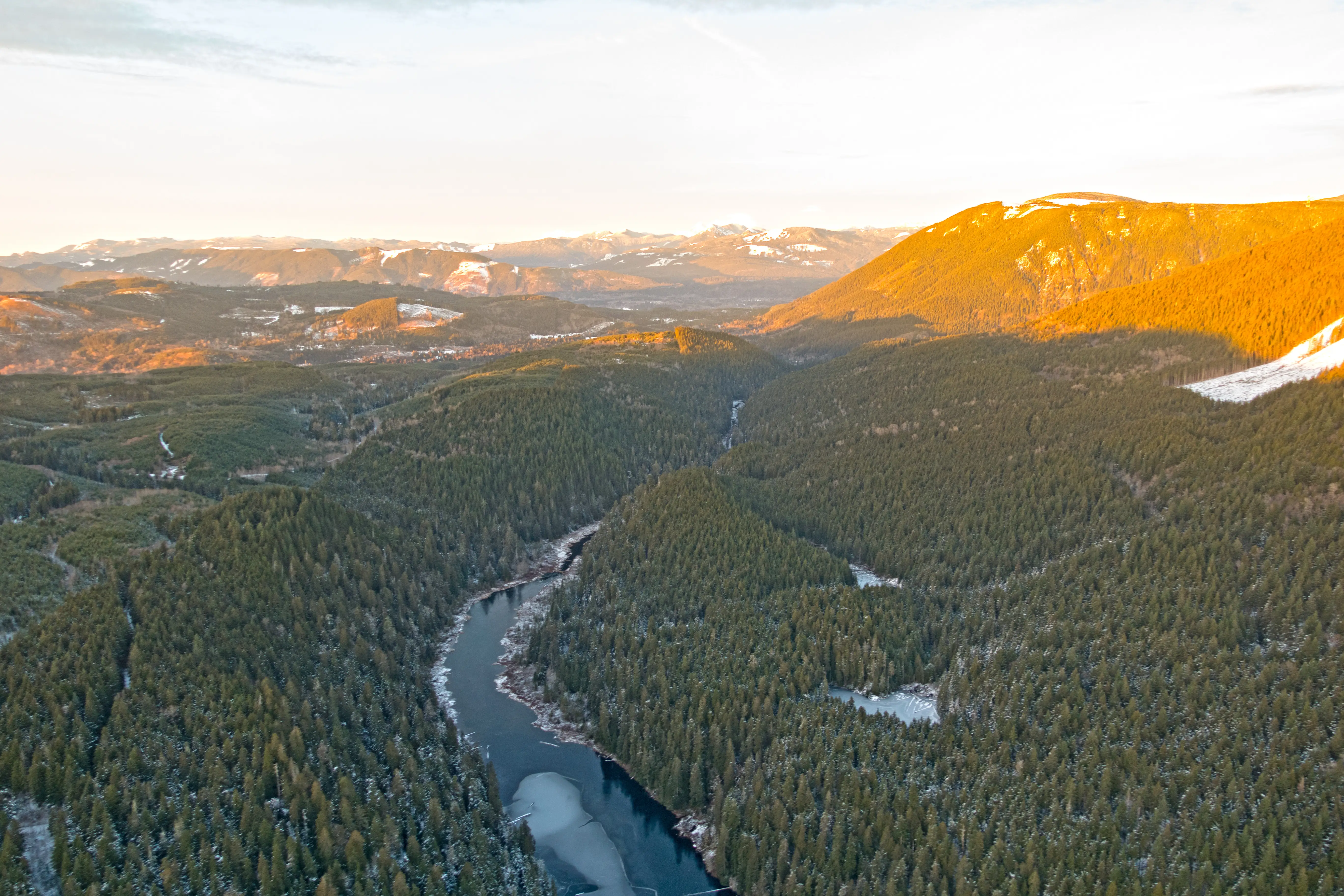
Local Expert Takeaway: If your goal is maximum Pacific Northwest lifestyle per dollar in Snohomish County, Arlington's current market window — with median sold prices near $549,000 and homes moving in about 23 days — is worth acting on before the next growth cycle closes the gap with Marysville and Lake Stevens. Focus your search on the hillside neighborhoods like Crown Ridge and Eagle Heights for established residential character, or look at lake-adjacent properties near Lake Armstrong and Lake Ki if waterfront access is part of the calculus. The buyers who tend to be happiest here are those whose jobs anchor north of Everett or who have gone fully remote — the lifestyle pays off best when the Seattle commute isn't a daily equation.
✅ Arlington delivers genuine Snohomish County value — with median sold prices approximately $549,000 and meaningful lot sizes, it's one of the more accessible markets left in the I-5 corridor north of Everett.
⚠️ The Seattle commute requires honest math — 55 minutes is the average, not the floor. Buyers whose offices sit south of downtown Seattle should run the full daily-hours calculation before committing.
📍 Outdoor access is a real lifestyle asset, not marketing language — Centennial Trail, Lake Armstrong, Lake Ki, and SR-530 east to the Cascades all deliver genuine recreational value that shapes daily life after the first year.
Is Arlington, Washington a good place to raise a family?
Arlington offers solid family infrastructure for its size — the Arlington School District serves roughly 5,600 students across 11 schools with a graduation rate of 87%, Cascade Valley Hospital provides full-service healthcare locally, and neighborhoods like Crown Ridge and Eagle Heights offer established residential character with room for kids. Families whose primary breadwinner works in Everett or at Paine Field tend to report the strongest overall satisfaction.
What is the crime rate in Arlington, WA?
Arlington's violent crime rate is approximately 3.2 incidents per 1,000 residents, which sits below many comparable Pacific Northwest cities of similar size. Property crime runs higher — approximately 21.5 per 1,000 — which is consistent with I-5 corridor communities that see commercial traffic flowing through. Neighborhoods farther from the Smokey Point commercial strip generally report lower property crime exposure.
How does Arlington compare to Marysville for homebuyers?
The two cities are frequently compared because they share the Smokey Point commercial corridor and similar price bands. Arlington tends to attract buyers who prioritize mountain access, outdoor recreation, and Old Town's walkable main street character, while Marysville draws buyers focused on newer residential development and slightly shorter average commutes. Home prices are comparable across both cities, so the decision most often comes down to community identity and which direction you're commuting.
Explore the full Arlington series: The Ultimate Arlington Relocation Guide · Is Arlington Safe? · Cost of Living in Arlington · Best Neighborhoods in Arlington · Arlington Schools & Family Life · Arlington Youth Sports · Arlington Parks & Recreation · Retiring in Arlington · 1031 Tax-Deferred Exchange in Arlington · Arlington First-Time Homebuyers Guide · Moving to Arlington from California
Tell us what you need help with and we'll connect you with local resources.

About the Author
Todd Davidson is the founder of Living in Oregon and Living in Washington, where he publishes in-depth city guides, neighborhood resources, and local market insights covering more than 180 communities across the Pacific Northwest. While his background is in home financing and real estate, he created these digital platforms to help families research and compare regions before making a move.