
Eastern Washington · Washington
Not everyone doing a 1031 exchange is a professional investor with a portfolio of twelve doors and a syndication attorney on speed dial. A surprising number of the investors eyeing Ellensburg right now are California homeowners — people who bought a house in the Bay Area or San Diego in the nineties, finally sold, and are staring at a capital gains bill that would make your eyes water. Ellensburg lands on their radar for good reason: a $450,000 median home price in a landlord-friendly state with zero income tax, a captive rental population anchored by Central Washington University, and enough economic stability that the word "durable" actually applies.
Nearly half the households in Ellensburg rent — a proportion driven primarily by CWU's roughly 10,000 undergraduates, the majority of whom cycle into off-campus housing after their first year. That demand doesn't disappear with a recession or a corporate relocation. It renews every September. The investment property types that trade most frequently here are single-family rentals, duplexes designed for student roommate configurations, and small multifamily buildings — four-plexes in particular — clustered near downtown and the university corridor where walking distance to campus commands a meaningful rental premium.
This guide covers everything a 1031 buyer needs to approach Ellensburg seriously: how the exchange mechanics work, what properties actually trade here and at what cap rates, why California capital keeps flowing east over the Cascades, Washington's tax advantages compared to where most of this money originates, and a practical due diligence checklist built for investors operating under a 45-day identification deadline.

The core of a 1031 exchange is straightforward: sell an investment property, park the proceeds with a qualified intermediary before the closing check ever touches your hands, and reinvest into a like-kind replacement property within a fixed timeline. You defer — not eliminate — the capital gains tax. The IRS gives you 45 days from the date you close on the relinquished property to formally identify potential replacement properties in writing, and 180 days total to close on one of them. Those deadlines are non-negotiable and don't bend for holidays, slow title companies, or a seller who gets cold feet.
"Like-kind" is more permissive than most investors assume. Raw land qualifies as replacement for a rental condo. A duplex qualifies for a commercial strip mall. The category is real property for real property — type and state don't matter. What does matter is the boot trap: if your replacement property is worth less than the relinquished property or you receive any cash back at closing, the difference is taxable. To defer everything, you must reinvest the full net proceeds and carry equal or greater debt, or compensate with additional equity.
The qualified intermediary — sometimes called an exchange accommodator — is not optional and cannot be your attorney, CPA, or real estate agent if they've worked with you in the past two years. Get one identified before you list the relinquished property. Many Ellensburg-area transactions use intermediaries based in Seattle or Bellevue, but any nationally licensed QI with Pacific Northwest experience will do.
The market moves faster than out-of-state investors expect. Ellensburg carries a Redfin Compete Score of 74 out of 100, average days on market sit around 40 days, and roughly 69% of homes sold within 30 days in the most recent measured period. For a 1031 buyer with a 45-day identification clock running, that tempo is actually a feature — properties move before they grow stale, and a motivated seller negotiating with a cash-heavy exchange buyer has good reason to cooperate on timeline.
Single-family rentals near the university dominate transaction volume. Small multifamily inventory is genuinely thin — typically only four to six active listings at any given time, with prices ranging from the mid-$400s to nearly $800,000 depending on unit count and condition. That scarcity cuts both ways: it limits your selection window, but it also means you're not competing with a deep bench of institutional buyers. The fourplex near downtown CWU that went under contract in 2025 within three weeks of listing illustrates the dynamic — well-located income property here doesn't sit.
| Property Type | Typical Price Range | Est. Cap Rate | Avg Days to Close |
|---|---|---|---|
| Single-Family Rental (3BR) | $380,000–$500,000 | 2.7%–3.3% | 30–45 days |
| Duplex (near CWU) | $465,000–$600,000 | 4%–5% | 45–60 days |
| Triplex / Fourplex | $600,000–$779,000 | 4.5%–6% | 60–75 days |
| Commercial / Mixed-Use | $500,000–$1.2M | 5%–7% | 60–90 days |

Looking to buy in Estimate your payment.
Enter your numbers to see an estimated monthly mortgage payment.
Estimate only. Excludes HOA fees and mortgage insurance.
The math that draws California capital to Ellensburg is less about Ellensburg specifically and more about what you can buy here with proceeds that, in California, would barely cover a garage conversion. A Bay Area seller walking away from a $1.4 million house with $900,000 in net proceeds can buy a fourplex near CWU outright — no mortgage, no debt service — and still have capital left over for reserves or a second SFR. That scenario is not hypothetical; it describes dozens of transactions in the past two years.
A Bay Area investor selling a home in the $1.4 million range can realistically acquire multiple income-producing properties in Ellensburg without leveraging the exchange proceeds at all. A fourplex at $700,000 and a SFR at $430,000 can be purchased debt-free within the 180-day window. The CWU rental demand pool is a familiar concept for anyone who's seen what proximity to a UC or CSU does to a California college town — Ellensburg's version is smaller but structurally identical.
Southern California sellers — particularly those exiting the Inland Empire or Orange County — are often looking for yield they can no longer find at home. Cap rates in Riverside County on SFR product have compressed toward 3% or below, and small multifamily in Los Angeles County has become operationally complex with local rent stabilization ordinances layered on top of state law. Ellensburg's 4%–6% cap rate range on duplexes and small multifamily looks meaningfully better, and Washington's landlord-tenant code — while protective of tenants — does not include statewide rent control.
Sacramento and Inland Empire sellers represent the most price-sensitive cohort — their proceeds are typically in the $400,000–$800,000 range, which means Ellensburg's entry-level investment product is actually the right match. A $465,000 duplex near campus is a realistic replacement property for an investor exiting a Sacramento single-family rental at $600,000 with moderate leverage. The 25% lower-than-national-average rent levels are the one note of caution: gross rent income here will not match Sacramento's tightening market, but the lower purchase price and absence of state income tax recalibrate the net return picture favorably.
The no-income-tax reality in Washington is the headline, and it's worth stating clearly. Every dollar of net rental income an investor earns on an Ellensburg property stays entirely out of state tax reach — there is no Washington state income tax on rental earnings. For a California investor accustomed to handing Sacramento up to 13.3% of net income off the top, the difference on a property generating $24,000 per year in net rental income is roughly $3,200 annually — just on state income tax. That compounds meaningfully over a ten-year hold.
| Tax Item | California | Washington |
|---|---|---|
| State income tax on rental income | Up to 13.3% | None |
| Property tax rate on new purchase | ~1.1%–1.25% (Prop 13 resets on sale) | ~1.02% (Kittitas County) |
| State sales tax | ~7.25%–10.75% | 6.5% + local (~8.5% in Ellensburg) |
| Long-term capital gains (state) | Up to 13.3% | 7% on gains over ~$262,000/year |
| Statewide rent control | Yes (AB 1482, 5% + CPI cap) | None statewide |
Two structural tax items worth understanding before closing: depreciation basis does not reset in a 1031 exchange — the accumulated depreciation from the relinquished property carries into the replacement, which affects your depreciation deductions going forward. And if you want to complete a 1031 but have no interest in managing a property, a Delaware Statutory Trust allows you to exchange into a fractional ownership of a larger institutional asset, entirely passive, with a professional sponsor handling operations. That option exists and is worth a conversation with your QI if active management isn't part of the plan.
Washington's landlord-tenant code is one of the more tenant-protective frameworks in the country outside of California, and out-of-state investors sometimes discover this after they've already closed. The state requires specific written notice periods for lease termination — currently a minimum of 20 days for month-to-month tenancies in most circumstances, with longer notice requirements applying in some situations after a set period of occupancy. There is no statewide rent control as of 2026, which gives Ellensburg landlords meaningful flexibility on annual rent adjustments. But eviction timelines, when contested, can run longer than investors accustomed to Arizona or Texas landlord law expect.
Local property management in Ellensburg is available but the bench is thinner than in a major metro. Windermere Property Management handles residential units in the market, and there are smaller local operators with CWU-specific experience worth vetting. Typical management fees run 8%–10% of gross monthly rent, with leasing fees of roughly one half to one full month's rent for tenant placement. For an out-of-state owner, that cost is essentially non-negotiable — managing a Kittitas County rental from California remotely without local representation is the fastest route to a deferred maintenance crisis.
The vacancy dynamic here requires honest framing. Ellensburg's overall vacancy runs around 7.3% — modestly above the national average — largely because the academic calendar creates predictable summer softness when students leave campus. A property rented primarily to upper-division CWU students will often face a June-through-August gap that a professionally managed unit with proper lease structuring can minimize but not entirely eliminate. The investors who do best here are the ones who price for twelve-month occupancy rather than chasing top-of-market rents that leave the unit empty for four months.
| Item | What to Verify | Local Resource |
|---|---|---|
| Title search | Clear title, no undisclosed liens or encumbrances | Local title company (e.g., Chicago Title in Kittitas County) |
| Sewer vs. septic | City sewer connection or permitted septic system | City of Ellensburg Public Works |
| Flood zone status | FEMA flood zone designation, especially near Yakima River | FEMA Flood Map Service Center |
| Rental permit requirements | City of Ellensburg rental registration or inspection requirements | City of Ellensburg Planning & Zoning |
| HOA restrictions | Rental restrictions, STR prohibitions, approval requirements | HOA governing documents |
| ADU potential | Washington ADU laws are among the strongest in the nation — verify zoning allows ADU addition | City of Ellensburg zoning code |
| Short-term rental ordinances | Ellensburg currently has low STR regulation, but verify current licensing requirements | City of Ellensburg |
| Zoning classification | Residential, multi-family, or commercial — confirm intended use is permitted | Kittitas County Assessor / City Planning |
| Current lease status | Lease terms, rent amounts, security deposits, tenant notice obligations | Request from seller at offer |
| Deferred maintenance inspection | Full inspection including roof, HVAC, plumbing, electrical — investor-grade scope | Licensed WA inspector with investment property experience |
| School district confirmation | Ellensburg School District boundaries — affects family tenant pool | Ellensburg School District |
| Property management referral | Identify management company before close — not after | Local PM companies; ask your agent for current referrals |
| Exchange timeline fit | Confirm seller can close within 180-day window; get written timeline commitment | Your QI and closing attorney |
| Depreciation schedule | Request prior year depreciation schedules from seller to understand carryover basis | Seller's CPA / closing documents |
| 1031 qualified intermediary confirmation | QI must be designated before relinquished property closes | Use a nationally licensed QI with WA experience |

Local Expert Takeaway: The single most common mistake California 1031 buyers make in Ellensburg is targeting the cheapest SFR they can find near campus and assuming the university demand will fill it regardless of condition. The CWU off-campus rental pool is increasingly selective — students with options pass on outdated units and choose newer or recently updated properties. Buy the duplex near downtown that needs a kitchen refresh over the 1970s SFR with deferred maintenance, price the rents at market rather than peak, and structure leases that run August-to-August to align with the academic calendar. That combination is what produces stable, year-over-year occupancy in this market.
✅ Washington's zero state income tax on rental income is the most underappreciated advantage for California investors — the annual savings on a modest rental property compound into a meaningful return improvement over a ten-year hold compared to leaving money in California.
⚠️ Small multifamily inventory in Ellensburg is genuinely thin — typically four to six active listings at any time. If you're doing a 1031 with a specific property type in mind, engage a local agent before the 45-day window opens, not after.
📍 CWU creates durable rental demand, but it's seasonal — structure leases on an academic-year cycle (August-to-August) and budget for modest summer softness rather than assuming year-round full occupancy.
Does a 1031 exchange work for out-of-state property?
Yes — the 1031 exchange has no geographic restriction within the United States. A California investor can sell a property in Los Angeles and exchange into a replacement property in Ellensburg, Washington without any limitation. The like-kind requirement applies to property type (real for real), not location. Your qualified intermediary and closing attorney coordinate across state lines routinely.
What is the cap rate on rental property in Ellensburg?
Cap rates vary meaningfully by property type. Single-family rentals near CWU typically imply cap rates in the 2.7%–3.3% range at current prices and rents — a college-town premium where appreciation is part of the thesis. Duplexes and small multifamily properties trade in the 4%–6% range depending on condition, occupancy, and proximity to campus. Those figures are calculated from current price and rent data, not a published index, so a property-specific underwriting with a local agent is the only way to get a reliable number for a specific asset.
Do I need a local property manager for a 1031 investment in Washington?
For an out-of-state owner, a local property manager is functionally necessary rather than optional. Washington landlord-tenant law has specific notice and documentation requirements that vary from California's, and Ellensburg's seasonal vacancy dynamic — driven by the academic calendar — requires active lease management to minimize summer gaps. Typical management fees run 8%–10% of gross monthly rent, which should be factored into your cap rate underwriting from day one.
Explore the full Ellensburg series: The Ultimate Ellensburg Relocation Guide · Is Ellensburg Safe? · Cost of Living in Ellensburg · Best Neighborhoods in Ellensburg · Ellensburg Schools & Family Life · Ellensburg Youth Sports · Ellensburg Parks & Recreation · Retiring in Ellensburg · 1031 Tax-Deferred Exchange in Ellensburg · Ellensburg First-Time Homebuyers Guide · Moving to Ellensburg from California
Tell us what you need help with and we'll connect you with local resources.
About the Author
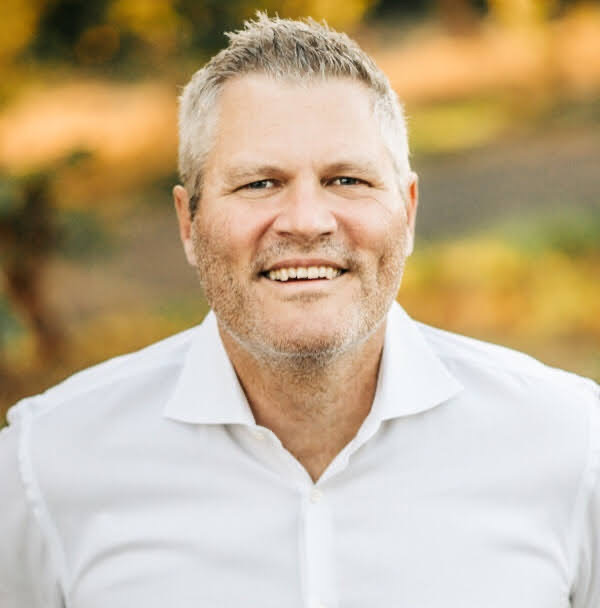
Todd Davidson is the founder of Living in Oregon and Living in Washington, where he publishes in-depth city guides, neighborhood resources, and local market insights covering more than 180 communities across the Pacific Northwest. While his background is in home financing and real estate, he created these digital platforms to help families research and compare regions before making a move.