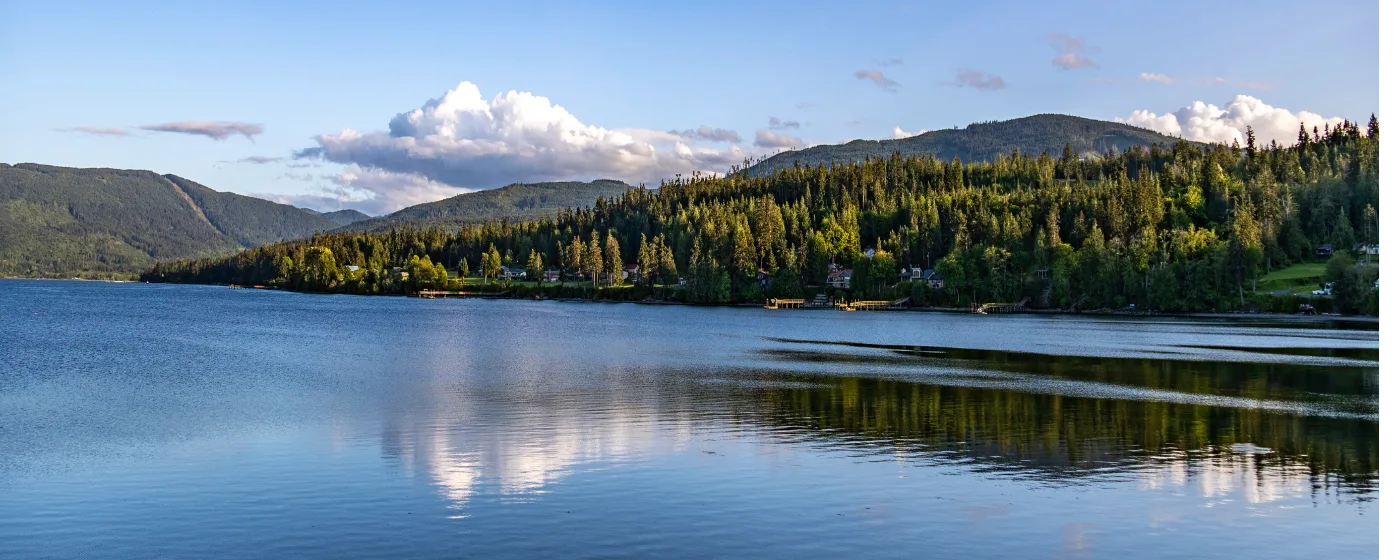
Olympic Peninsula · Washington
Maybe your retirement plan always included somewhere quieter, somewhere greener, somewhere the weather wouldn't punish you for wanting to take a morning walk in January. Maybe a friend who moved to the Olympic Peninsula three years ago keeps sending you photos of lavender fields and blue skies, and you've started googling whether it's actually that sunny or just good camera work. Or maybe you've been priced out of the Seattle metro, you've done the math on remote work, and someone in a Facebook group mentioned Sequim as the place where you can actually afford a house, have a real yard, and still reach civilization when you need it. The central tension of moving to Sequim is this: it is genuinely one of the most livable small towns in the Pacific Northwest, and it is also genuinely remote — in ways that matter every single day.
Sequim sits on the northeastern tip of the Olympic Peninsula, tucked into a geographic anomaly called the rain shadow of the Olympic Mountains. While Seattle soaks through nine months of gray skies and Port Angeles catches its share of Pacific moisture, Sequim receives roughly 23 inches of rain per year — less than Miami, less than Houston, less than most people believe is possible on the west side of the Cascades. The town anchors Clallam County's eastern edge, connected to the wider world primarily via US-101 and the Hood Canal Bridge, with ferry access to Port Townsend offering an alternate route across the water. The commute to Seattle runs about 130 minutes under good conditions, which means Sequim works best for people who have already made peace with that distance — retirees, remote workers, and those whose jobs are based on the Peninsula itself.
This guide is built for the person who is seriously considering making Sequim their permanent address. It will tell you which neighborhoods are worth your time, what the housing market actually looks like in mid-2026, why people love living here, and — just as importantly — why some people leave. By the end, you'll know whether Sequim is the right call or whether a compromise closer to Seattle would serve you better.
Not every city works for every buyer. Sequim has a clear profile, and knowing where you fall within it will save you considerable second-guessing after your offer closes.
| Best For | Why |
|---|---|
| Retirees | Exceptional climate, active adult communities like Sunland, Olympic Medical Center nearby, and a median age of 62+ means built-in community |
| Remote workers | Lower home prices than Seattle metro, high quality of life, reliable internet expanding — but verify connectivity before committing to a specific address |
| Nature enthusiasts | Dungeness Spit, the Olympic Discovery Trail, Sequim Bay State Park, and the wildlife refuge are essentially in your backyard |
| Families with kids | Good outdoor lifestyle, improving schools following a $145.95M bond passage, but the overall school district rating is C+ — research individual schools |
| First-time buyers | The $550,000 median is high for a town this size, but dramatically below Seattle metro — more house for the dollar, with lower property tax rates |
| Healthcare workers | Olympic Medical Center is the Peninsula's primary hospital and one of Sequim's largest employers |
Sequim's downtown is smaller than most newcomers expect. The core of the city runs roughly along Washington Street and Sequim Avenue, with a genuine small-town commercial district that includes local restaurants, a handful of boutiques, the Sequim Museum & Arts Center, and the kind of community bulletin boards that still have paper flyers on them. It is not a city where you'll find much to do at 10pm on a Tuesday, and that is entirely by design — the residents who choose Sequim are, by a significant margin, choosing it for what it doesn't have as much as what it does.
The Olympic Discovery Trail, which runs through town and connects to Railroad Bridge Park near the Dungeness River, is the spine of daily outdoor life for a large share of residents. On a dry morning in June — and there are many of those — you'll share the trail with cyclists in their sixties, people walking dogs, and the occasional bald eagle overhead. This is the version of Sequim that gets photographed. The version that doesn't get photographed is US-101 at the eastern approach to town on a Friday afternoon in summer, when the peninsula's tourist traffic stacks up and a five-minute errand suddenly takes thirty.
What surprises most people after six months of living here is how quickly the Peninsula becomes its own world. Sequim residents tend to socialize locally, shop locally when possible, and think twice before making the two-plus-hour drive to Seattle for anything that isn't truly necessary. That psychological shift — from "I'm an hour from Seattle" to "I live on the Olympic Peninsula" — happens faster than most newcomers anticipate. For people who embrace it, it's a feature. For those who assumed they'd be driving to Seattle regularly, it's the thing that eventually sends them back across the water.
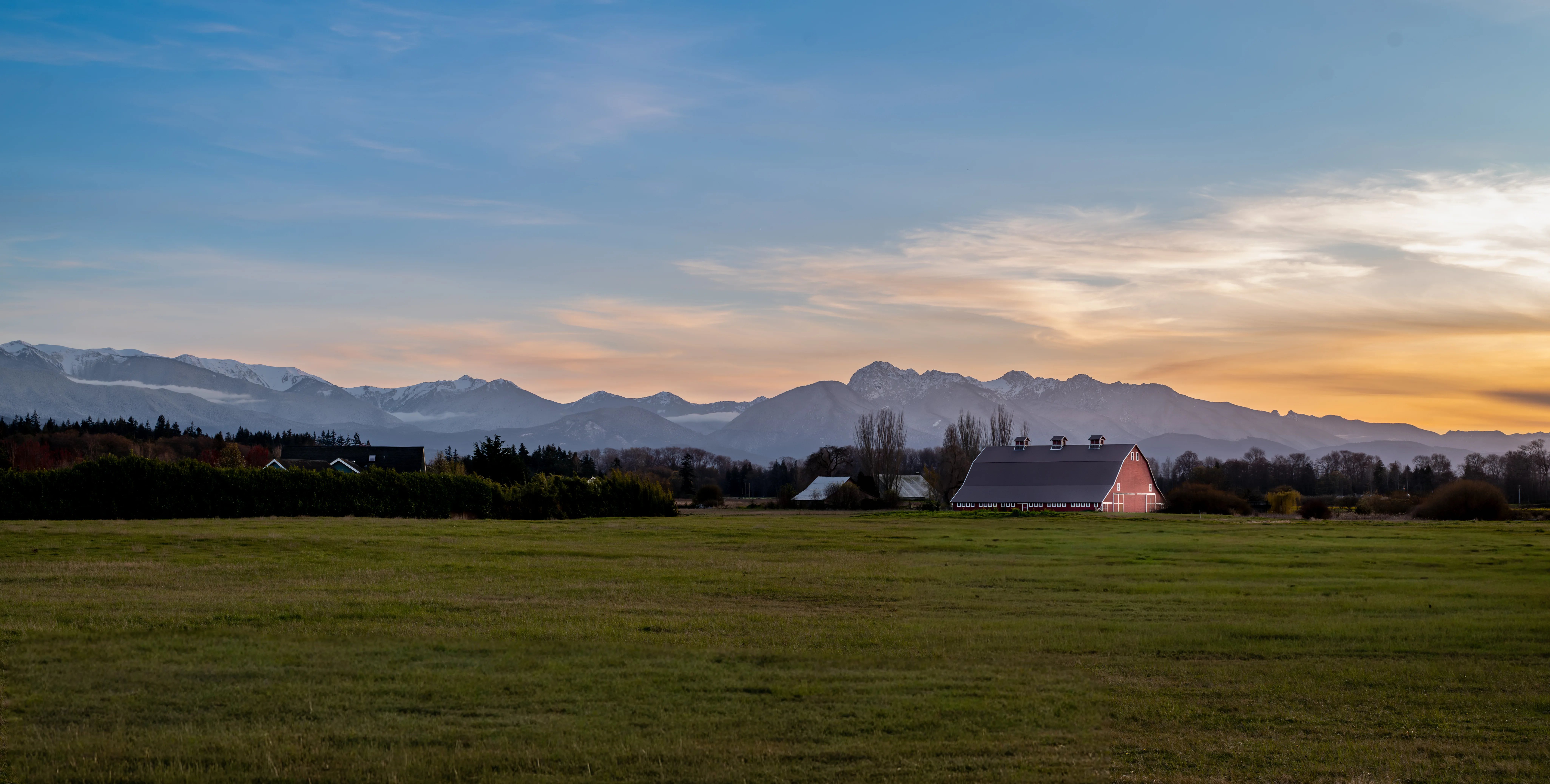
The daily rhythm here is shaped as much by the weather as anything else. The rain shadow is real — on days when Port Angeles is socked in and Seattle is under a gray ceiling, Sequim often has blue skies and a view of the Strait of Juan de Fuca. That 23-inch annual rainfall average is a genuine quality-of-life advantage, and locals are not shy about pointing it out to visitors who show up in rain gear they don't need.
The climate is the headliner, and it earns the billing. Sequim averages roughly 2,189 hours of sunshine annually — a number that would seem more at home in the California coastal data than in western Washington. The dry season runs April through September, which covers essentially every outdoor event, garden project, and weekend adventure that matters. Winters are mild rather than severe, with December highs averaging around 41°F and annual snowfall hovering near one inch. For anyone who has lived through Seattle winters and wants out of the gray without leaving the Pacific Northwest entirely, this is the climate argument that closes the deal.
The outdoor access is staggering for a city of 8,200 people. The Dungeness National Wildlife Refuge and Dungeness Spit — the longest natural sand spit in the United States — sit just northwest of town. Sequim Bay State Park offers camping and waterfront access on the eastern side. The Olympic Discovery Trail provides a non-motorized corridor through the heart of the region, connecting Sequim to the wider network of Peninsula trails. John Wayne Marina on Sequim Bay is a legitimate small-craft facility where local boaters keep everything from kayaks to sailboats. For anyone whose hobbies involve being outside, Sequim is an embarrassment of riches.
Healthcare access is meaningfully better here than in most towns this size. Olympic Medical Center — located on North Fifth Avenue and one of the city's largest employers — provides a full-service regional hospital with specialties that would typically require a larger city. For retirees especially, this is a non-trivial consideration. The Franciscan Medical Group also maintains a local presence, giving residents multiple healthcare networks to choose from on the Peninsula itself.
The community here has a particular texture. Sequim skews older — the median age is 62.6, and roughly 45% of residents are 65 or older — which means the civic infrastructure is oriented toward people who have time to invest in it. Farmers markets, garden clubs, the Dungeness River Audubon Center's educational programs, and the arts scene at the Sequim Museum & Arts Center all reflect a population that is actively engaged rather than just passing through. For younger families and remote workers willing to build their own social network, the community is welcoming, if not immediately obvious.
Looking to buy in Estimate your payment.
Enter your numbers to see an estimated monthly mortgage payment.
Estimate only. Excludes HOA fees and mortgage insurance.
The distance from Seattle is not just a commute — it's a lifestyle commitment. At 130 minutes in good traffic, Seattle is too far for a casual day trip and too close to pretend it doesn't matter. Residents who need to travel regularly — for family, medical specialists, airports, or metropolitan amenities — build their lives around the ferry schedules and the Hood Canal Bridge. The bridge closure for maintenance and wind events is a genuine inconvenience that Peninsula residents navigate more than once a year. If your life still has significant roots east of the water, Sequim will test your patience in ways that only become clear after you've moved.
The school district is improving, but the C+ rating reflects real gaps that families should understand before committing. Math and reading proficiency rates are modestly above state averages — 43% and 55% respectively — but they are still proficiency rates measured in the low-to-mid fifties. The 2025 graduation rate climbed to 90%, which is genuinely encouraging, and the $145.95 million bond passed by voters in early 2025 will fund significant capital improvements including a rebuilt Helen Haller Elementary and major upgrades at Sequim High School. The trajectory is positive, but it is a district in transition, not one that has already arrived.
Why some people leave Sequim comes down, more often than not, to isolation fatigue. The Peninsula is gorgeous and the community is genuine, but it is small. There are no major shopping centers, no regional airport with meaningful commercial service, no professional sports, no late-night restaurant scene. People in their thirties who moved here for the scenery sometimes find, by year three, that they miss the spontaneity of urban life in ways they didn't anticipate. Empty-nesters and retirees almost never leave for this reason — but younger buyers should take the question seriously before they sign.
Job opportunities outside of healthcare, education, retail, and hospitality are limited. Remote work has expanded what's possible enormously, but workers who need to be physically present in a specialized industry will find the local job market narrow. The Peninsula's largest single employer outside of government is essentially Olympic Medical Center, and the second tier — the Sequim School District, Costco, 7 Cedars Casino, Allied Titanium — fills out a specific range of industries. If your career trajectory requires a professional ecosystem, Sequim is best suited as a home base for remote workers or retirees who have already built their financial foundation elsewhere.
Sequim spreads across a mix of platted subdivisions, rural parcels, and established communities that each attract a distinct type of buyer. The eight neighborhoods below represent the most discussed and most actively traded areas in the market as of mid-2026.
Sunland is Sequim's most recognizable residential community — a 1,000-acre development on the northern edge of the city built around a nine-hole golf course, a community center, and a swimming pool. Homes here range from modest 1970s ranch-style construction to updated single-story properties, with prices typically running from $480,000 to $650,000 depending on lot position and condition. The HOA structure brings a level of maintenance consistency that appeals to buyers who want a managed environment, but it also means restrictions that some buyers find limiting.
Best for: Active retirees who want a community with built-in social infrastructure and don't mind HOA oversight.
Happy Valley sits just south of the city center and has the feel of an older, established Sequim neighborhood that never tried to be anything other than what it is — quiet, residential, and affordable by local standards. Properties here tend toward mid-century construction on larger lots, with city-wide median pricing as the general anchor. The area attracts buyers who want proximity to downtown services without the HOA fees and CC&Rs of the newer planned communities.
Best for: Buyers who want walkable access to Sequim's core without a homeowners association.
Bell Hill rises to the south of downtown and offers some of the best elevated views in the Sequim area — clear sightlines toward the Strait of Juan de Fuca on the right day and the Olympic Mountains behind you. Properties on the hill tend to be newer construction on larger parcels, with prices at the upper end of the Sequim range. The tradeoff is a winding drive to town and limited walkability, which matters more to some buyers than others.
Best for: Buyers prioritizing views and privacy who are comfortable with a car-dependent daily routine.
Carlsborg is technically an unincorporated community east of Sequim proper, but it functions as an extension of the Sequim market for most practical purposes. It's more rural in character, with larger parcels, light industrial uses nearby, and generally lower price points than the city core. Buyers who want acreage or workshop space without paying Bell Hill prices often find what they're looking for here.
Best for: Rural-leaning buyers who want more land per dollar and don't need to be within walking distance of anything.
The Dungeness area northwest of Sequim proper is as close to agricultural Sequim as you can get while still being within reasonable distance of town services. Properties here range from smaller country lots to genuine farm parcels, and the proximity to the Dungeness National Wildlife Refuge and Dungeness Spit is a tangible daily reality rather than a weekend amenity. Prices vary widely depending on acreage and condition.
Best for: Buyers who want a rural lifestyle with genuine access to the Peninsula's premier natural landmarks.
River View Estates sits near the Dungeness River corridor and benefits from the same scenery that makes Railroad Bridge Park and the adjacent Audubon Center worth visiting. Homes here tend to be on the newer side of Sequim's housing stock, with suburban lot sizes and prices in the general city median range. The neighborhood attracts buyers who want the outdoor feeling without fully committing to a rural parcel.
Best for: Families and remote workers who want a nature-adjacent setting with a conventional suburban footprint.
Diamond Point is a waterfront community southeast of Sequim on the Strait of Juan de Fuca, offering a distinctly different lifestyle from the inland neighborhoods. The community has its own private marina and beach access, and the geography puts you closer to the water than any address in the Sequim core. Prices here reflect the premium for water access and tend to run above the city-wide median, sometimes significantly.
Best for: Buyers for whom waterfront access and maritime lifestyle are the primary criteria, not an afterthought.
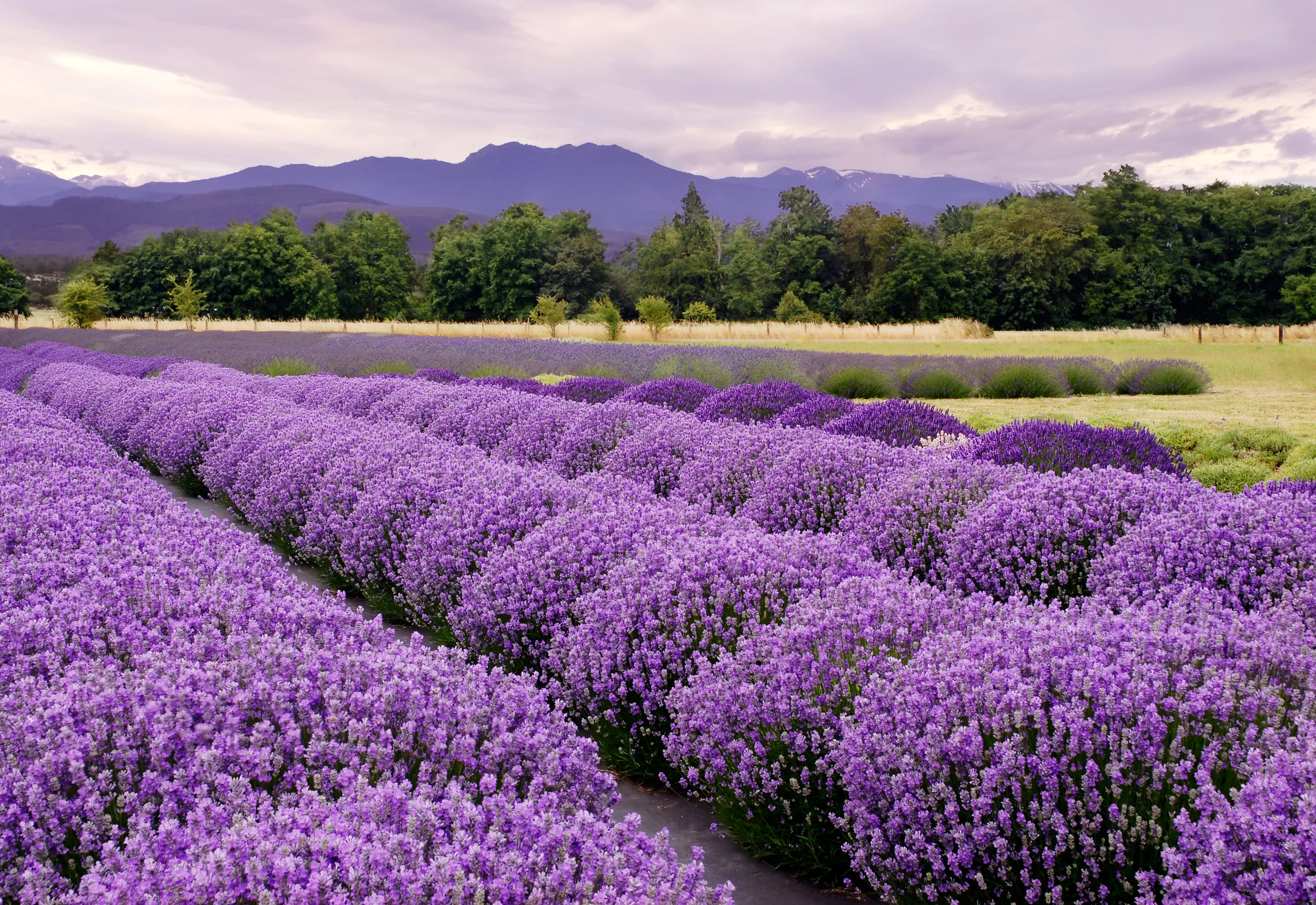
Sequim Prairie occupies the broad, flat agricultural plain that gives the city much of its lavender-growing identity. Properties here are often on larger lots with agricultural history, and the open sky and mountain views are among the most photogenic in the area. The Prairie is genuinely rural in feel, which means limited walkability and dependence on a vehicle for everything, but the land quality and setting are hard to replicate elsewhere on the Peninsula.
Best for: Buyers drawn to Sequim's agricultural identity who want space, open views, and the flexibility that a larger parcel allows.
| City | Best For | Median Home Price | Commute to Seattle | Vibe |
|---|---|---|---|---|
| Sequim | Retirees, remote workers, nature lifestyle | $550,000 | 130 min | Sunny, small-town, retirement-leaning |
| Port Angeles | Working families, value buyers, healthcare workers | ~$420,000 | 120 min | Working-class city, more urban services |
| Port Townsend | Artists, historic home buyers, ferry commuters | ~$560,000 | 90 min (via ferry) | Victorian historic, arts-forward, tight inventory |
| Port Ludlow | Resort-lifestyle retirees, golfers | ~$580,000 | 90 min (via Hood Canal Bridge) | Planned resort community, quieter |
| Blyn | Rural buyers near tribal amenities | Below Sequim median | 135+ min | Unincorporated, agricultural, very quiet |
| Kingston | Seattle commuters who want a ferry ride, not a drive | ~$650,000+ | 75 min (ferry + drive) | Suburban, commuter-oriented, growing fast |
| Category | Detail |
|---|---|
| Population | Approximately 8,200 |
| Median Home Price (mid-2026) | $550,000 |
| Property Tax Rate | 0.75% (Clallam County median effective rate) |
| Median Household Income | $59,707 |
| Median Age | 62.6 years |
| Annual Rainfall | ~23 inches (rain shadow climate) |
| School District | Sequim School District (C+ rating; 2025 graduation rate approximately 90%) |
| Commute to Seattle | ~130 minutes (US-101 and Hood Canal Bridge) |
| Violent Crime per 1,000 | 2.7 |
| Major Employers | Olympic Medical Center, Costco, Sequim School District, 7 Cedars Casino, Allied Titanium |
The Lavender Weekend is Sequim's signature cultural event. Held every July, the Sequim Lavender Weekend draws tens of thousands of visitors to the farms along the Prairie corridor — the city's agricultural identity is so thoroughly tied to lavender that the local growers association has been coordinating the festival for over two decades. If you're moving to Sequim, plan to embrace it rather than escape it: July weekends on US-101 near town get significantly more congested than the rest of the year, and local lodging fills months in advance. Residents who've lived here more than a few years typically schedule their big errands for early July mornings before the festival traffic peaks.
The Irrigation Festival is the oldest in Washington State. Running every May since 1896, the Sequim Irrigation Festival celebrates the ditching system that transformed the Prairie from a dry grassland into farmable land. The festival includes a parade through downtown, a carnival, and enough small-town pageantry to give newcomers a quick education in what Sequim actually values about itself. It is distinctly not a tourist event — it's a community event that tourists happen to attend, and that distinction matters to how locals experience it.
The Dungeness Spit requires a permit — and the walk is longer than you think. The spit extends 5.5 miles into the Strait of Juan de Fuca, making it the longest natural sand spit in the country. Reaching the lighthouse at the tip and returning is an 11-mile round-trip walk on loose sand. Visitors underestimate it regularly; locals know to start early, bring more water than seems necessary, and check the tidal forecast before committing to the outer beach route. Recreational use of the Dungeness National Wildlife Refuge requires a fee permit — something worth knowing before your first visit with houseguests.
What I would not do if moving to Sequim: I would not buy on the western end of US-101 approaching town without first driving that stretch during a summer weekend afternoon. The traffic backup at the US-101/Sequim Avenue intersection is the most predictable daily friction point in the city, and the stretch from the eastern edge of town past Walmart toward the old mill site can add fifteen minutes to what looks like a five-minute drive on a map. If your target neighborhood requires navigating that corridor twice a day, test it at actual peak hours — not a Tuesday morning in February.
Local Expert Takeaway: The buyers who get the most out of Sequim are the ones who stop comparing it to Seattle and start evaluating it on its own terms. At $550,000 median with a 0.75% property tax rate, the ownership cost is real — but on the Olympic Peninsula, that price buys a completely different quality of life than the same figure gets you in Redmond or Bothell. If your work is remote, your healthcare needs are covered by Olympic Medical Center, and your idea of a perfect Saturday involves the Dungeness Spit or the Olympic Discovery Trail rather than a stadium or a concert hall, Sequim will exceed what you thought a small town could deliver. Prioritize neighborhoods with confirmed internet service, verify what your specific parcel can support in terms of connectivity, and if you're buying near the Bell Hill corridor or the rural Prairie, budget for a vehicle dependency that is not going away.
✅ Sequim's rain shadow climate is the real thing — roughly 23 inches of annual rainfall and approximately 2,189 sunshine hours per year make it the most weather-enviable address in western Washington for buyers who've lived through enough Seattle winters.
⚠️ The commute to Seattle is 130 minutes and that matters more than most buyers anticipate — Sequim works best as a true relocation, not a compromise commuting solution. Plan your life as a Peninsula resident, not as someone who'll drive east regularly.
📍 The school district is improving but in transition — a $145.95 million bond passed in 2025 will fund major capital improvements over the next several years, and the 2025 graduation rate came in at approximately 90%. Families should research individual school assignments and track improvement progress as projects complete.
Is Sequim a good place to retire?
Sequim is one of the most retirement-friendly cities in Washington State by nearly every measurable standard. The climate is mild and dry, Olympic Medical Center provides full-service regional healthcare, active adult communities like Sunland offer built-in social infrastructure, and the median age of 62.6 reflects a community already deeply oriented toward retirement living. The outdoor access — Dungeness Spit, Sequim Bay, the Olympic Discovery Trail — adds a lifestyle dimension that purely urban retirement communities simply can't replicate.
What is the cost of housing in Sequim compared to the rest of Washington?
The median sold price in Sequim runs approximately $550,000 as of mid-2026, which places it above most eastern Washington cities but well below the Seattle metro's typical price points. The effective property tax rate of 0.75% is among the lowest in Clallam County and lower than county averages in King, Snohomish, or Pierce counties, which meaningfully reduces the carrying cost relative to comparable home values closer to Seattle.
How does Sequim compare to Port Angeles for families?
Port Angeles offers a lower entry price — typically in the $420,000 range — more urban services, and a slightly shorter drive to the Hood Canal Bridge. Sequim generally offers better weather, newer housing stock in the planned communities, and the Olympic Medical Center on its doorstep. Families who prioritize value and urban amenities tend to lean toward Port Angeles; those who prioritize climate, community stability, and access to the wildlife refuge corridor typically choose Sequim.
Explore the full Sequim series: The Ultimate Sequim Relocation Guide · Is Sequim Safe? · Cost of Living in Sequim · Best Neighborhoods in Sequim · Sequim Schools & Family Life · Sequim Youth Sports · Sequim Parks & Recreation · Retiring in Sequim · 1031 Tax-Deferred Exchange in Sequim · Sequim First-Time Homebuyers Guide · Moving to Sequim from California
Tell us what you need help with and we'll connect you with local resources.

About the Author
Todd Davidson is the founder of Living in Oregon and Living in Washington, where he publishes in-depth city guides, neighborhood resources, and local market insights covering more than 180 communities across the Pacific Northwest. While his background is in home financing and real estate, he created these digital platforms to help families research and compare regions before making a move.