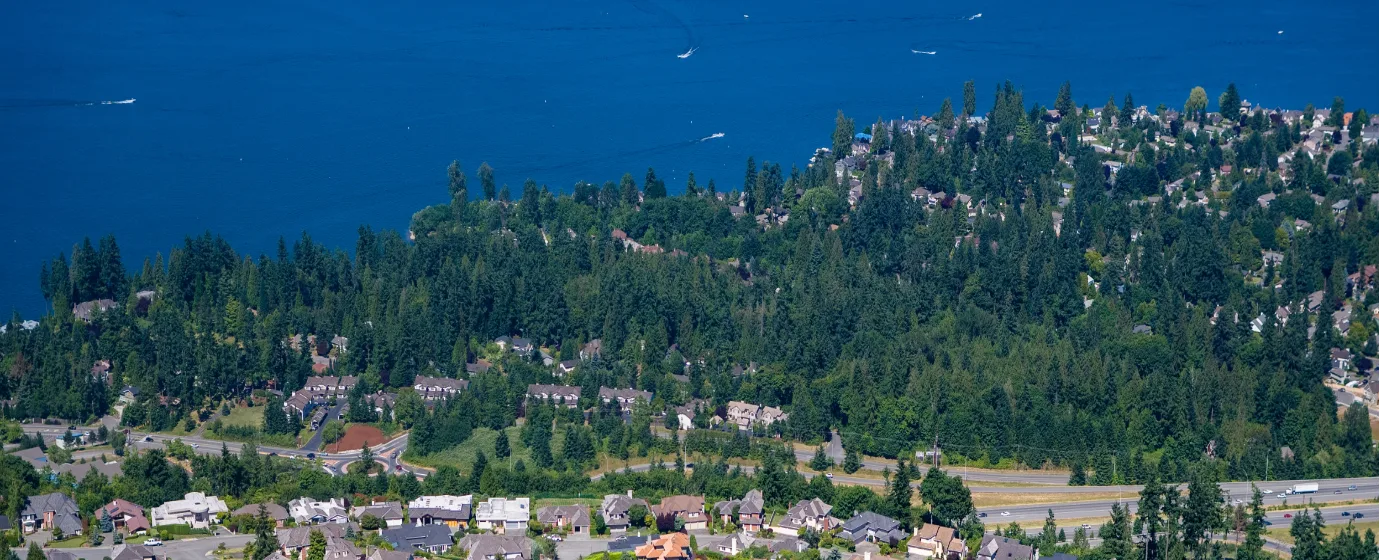
Puget Sound · Washington
Maybe your employer just told you the new office is in Bellevue or Redmond, and someone on your team casually said, "Have you looked at Issaquah?" Maybe you've been watching Seattle prices tick upward for two years and you've finally started considering the eastside suburbs. Or maybe you drove through on I-90 one weekend, caught a glimpse of mountains and forests pressing right up against the freeway, and started wondering whether a city like this actually works for real life — or whether it's beautiful in a way that's mostly inconvenient. Issaquah sits at the eastern edge of the Seattle metro where the Cascade foothills begin in earnest, and that geography is the source of both its appeal and its central friction: this is a place that genuinely feels removed from the city, surrounded by trails, peaks, and salmon streams, while simultaneously functioning as one of the most connected commuter towns on the eastside. The tension you'll spend the most time resolving is not price versus quality — it's whether you want to live somewhere that feels like a mountain town that happened to become a suburb, or whether you actually need the walkable urban core that Issaquah's marketing materials imply but the ground truth doesn't always deliver.
Geographically, Issaquah occupies a narrow valley floor between Tiger Mountain to the south, Cougar Mountain to the north, and Squak Mountain wedged between them — a configuration locals call the "Issaquah Alps." I-90 is your primary artery east to west, connecting you to Bellevue in roughly 15 minutes and to downtown Seattle in about 25 minutes under normal conditions. That commute is genuinely one of the better ones on the eastside, but "normal conditions" is doing a lot of work in that sentence. The city's population of approximately 39,000 is served by a growing mix of master-planned neighborhoods stacked up the hillsides, a small historic downtown, and several 55-plus communities that draw retirees specifically for the trail access and lower-maintenance housing options. Major employers within reasonable range include Microsoft, Boeing, and Costco's headquarters operation in nearby Issaquah itself — which means remote and hybrid workers from tech have been a dominant force in this housing market for the better part of a decade.
This guide exists because Issaquah rewards buyers who understand its internal geography. The difference between buying in Issaquah Highlands versus Olde Town versus Mirrormont isn't just price — it's an entirely different daily experience, commute pattern, and social scene. If you're relocating from out of state, comparing neighborhoods on a map won't tell you which one actually fits your life. What follows is a frank assessment of who thrives here, what the market actually looks like in mid-2026, which neighborhoods are worth your open house time, and what experienced buyers consistently wish someone had told them before they signed.
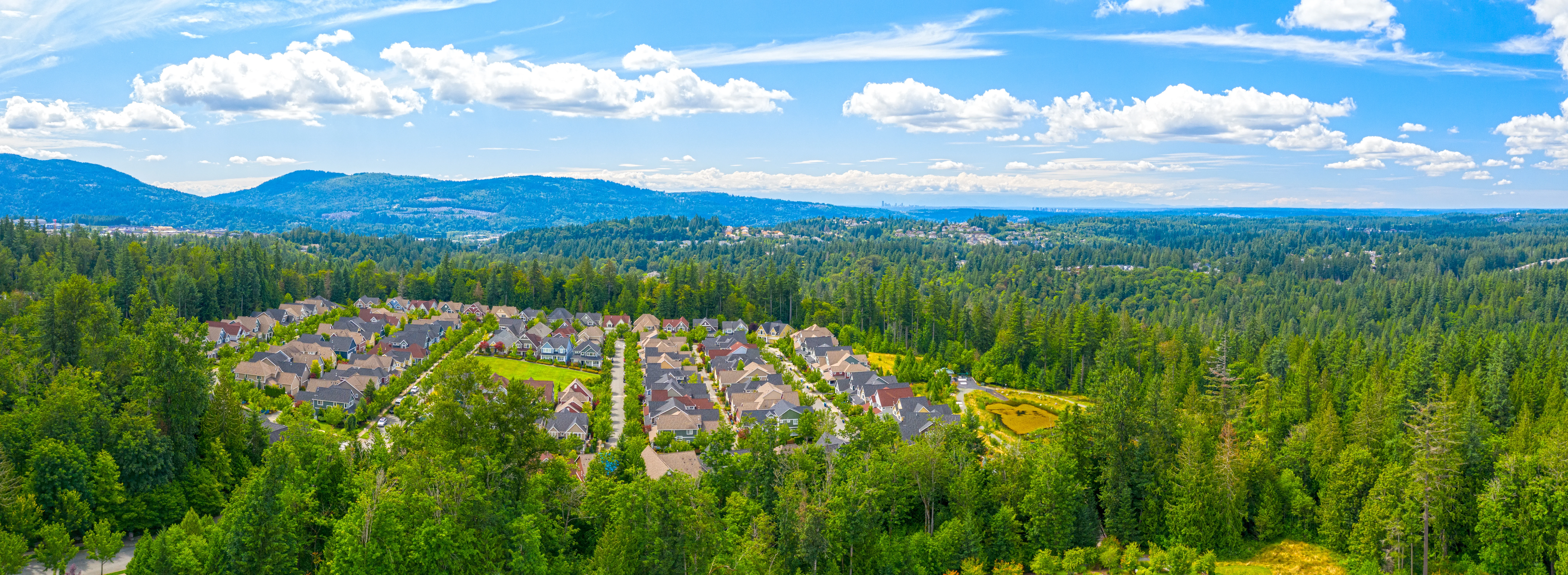
Before diving into the neighborhood breakdowns and market data, it helps to know whether Issaquah makes sense for your specific situation. The city serves a narrow but clear set of buyer profiles extremely well — and a few profiles where the fit is genuinely questionable.
| Best For | Why |
|---|---|
| Eastside tech commuters | 15–25 min to Bellevue/Redmond; strong I-90 and SR-900 access; proximity to Microsoft, Siemens, T-Mobile |
| Families with school-age children | Issaquah School District carries an A rating; multiple nationally recognized high schools |
| Outdoor-focused buyers | Immediate trail access to Tiger Mountain, Cougar Mountain, Squak Mountain, and Lake Sammamish State Park |
| Retirees seeking active lifestyle | Providence Point 55+ community; strong parks infrastructure; quieter pace than Bellevue |
| Remote workers | Mountain setting with urban connectivity; fast fiber internet throughout most neighborhoods |
| Move-up buyers from Renton or Bellevue | Premium product at prices that still undercut comparable Bellevue neighborhoods |
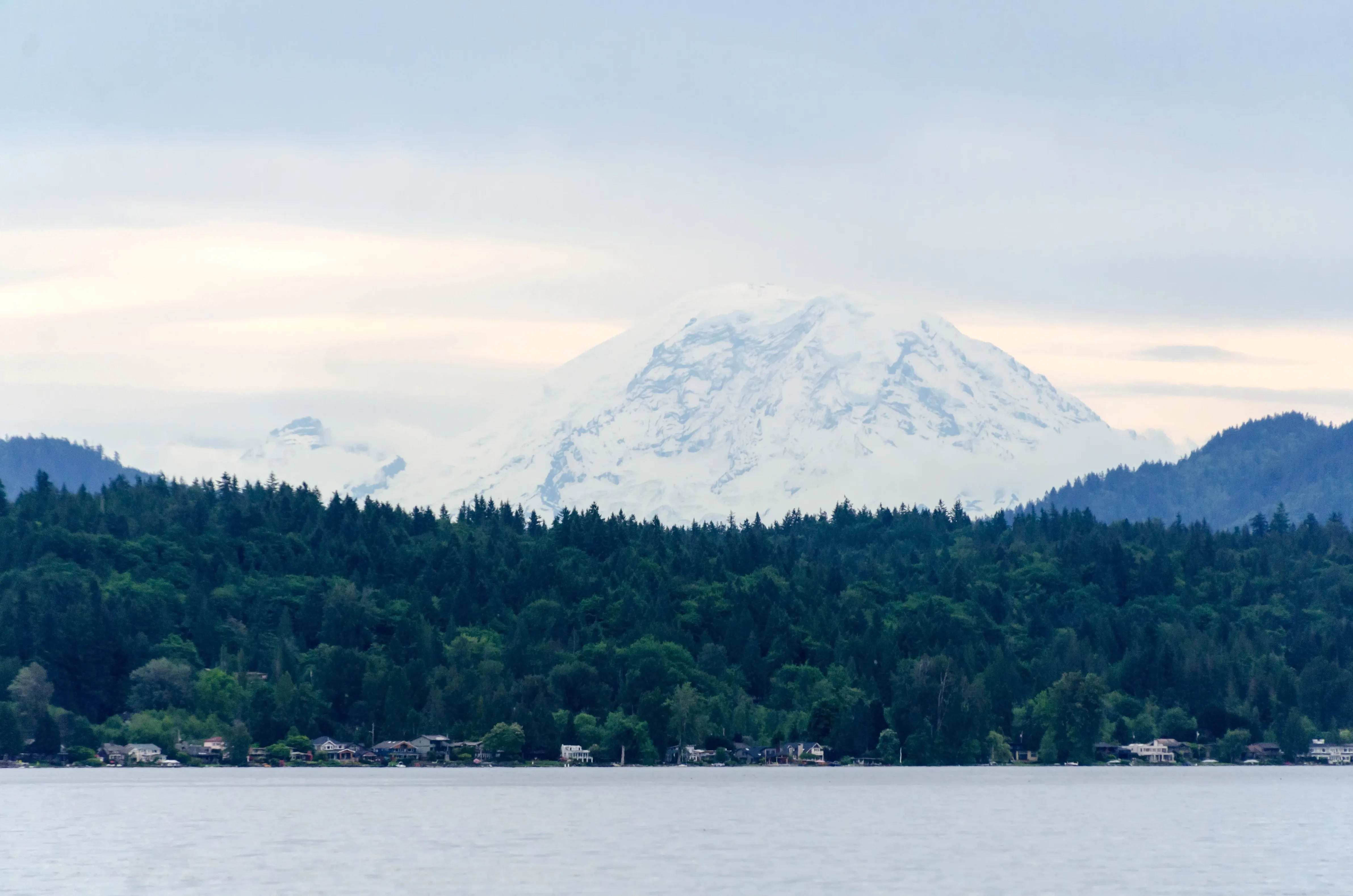
The first thing newcomers notice is that Issaquah doesn't feel like a suburb in the conventional sense. The mountains are not a distant backdrop — they are immediately present, visible from most streets, and close enough that trailheads start within a few minutes of most front doors. That physical relationship with the landscape shapes the city's social culture in ways that are hard to quantify but easy to feel: people here tend to be outdoorsy in a practiced, unglamorous way, the kind of town where someone asks "did you do Tiger this weekend?" the same way other suburbs ask about youth soccer.
The downtown corridor along Front Street and Gilman Boulevard gives Issaquah its small-town bones, but it's worth being honest about what that means in 2026. Gilman Village — a cluster of shops and restaurants in converted 1940s farm buildings — is legitimately charming and anchors a genuine walkable district, but the surrounding retail is still largely car-dependent. You won't find the dense urban amenity layer that younger buyers sometimes expect when they hear "walkable downtown." What you will find is a farmers market on Saturday mornings, the Issaquah Salmon Days festival each October (one of the largest events in King County), and a Depot Museum that functions as a real gathering point for long-time residents.
Traffic is the honest conversation no one starts with. The I-90 corridor is well-designed relative to other eastside routes, and a 25-minute commute to downtown Seattle is realistic off-peak. But the Issaquah-Pine Lake Road interchange and the SR-900 merge into downtown can stack badly during school hours and on summer weekends when Lake Sammamish State Park draws regional traffic. Buyers considering the Grand Ridge or Issaquah Highlands neighborhoods specifically should test the exit 17 ramp during morning commute hours — the merge onto I-90 westbound there is one of the more consistently frustrating chokepoints in the city.
One thing that surprises most people after six months of living here: the community is significantly more international and tech-forward than the mountain-town aesthetic implies. Nearly 28% of residents were born outside the country, and the median household income sits at approximately $154,669 — which means your neighbors are as likely to be senior engineers at Microsoft as they are to be fourth-generation Pacific Northwesterners. That demographic mix creates a particular kind of city culture — well-resourced, civic-minded, and slightly transient in ways that can make it harder to build the deep neighborhood roots that the Pacific Northwest reputation suggests.
The outdoor access is the obvious answer, but it deserves specificity because "trails nearby" understates the reality. Tiger Mountain State Forest offers more than 80 miles of trails accessible from the Issaquah trailhead on SE 79th Street. Cougar Mountain Regional Wildland Park borders the city's northern residential neighborhoods directly — you can be on a forest trail within five minutes of leaving a Talus driveway. Squak Mountain State Park closes the triangle and remains one of the least-crowded of the three, favored by residents who want the experience without the weekend parking chaos at Tiger. For families with kids, these aren't weekend destination parks — they are part of the functional daily landscape.
The school district is a genuine retention factor. Issaquah School District consistently earns top marks in Washington State assessments, with Liberty High School, Issaquah High School, and Skyline High School all carrying strong reputations both locally and in national rankings. Parents who moved here specifically for the schools tend to stay through their youngest child's graduation — a pattern that creates the stable, family-oriented neighborhood culture that the city is known for.
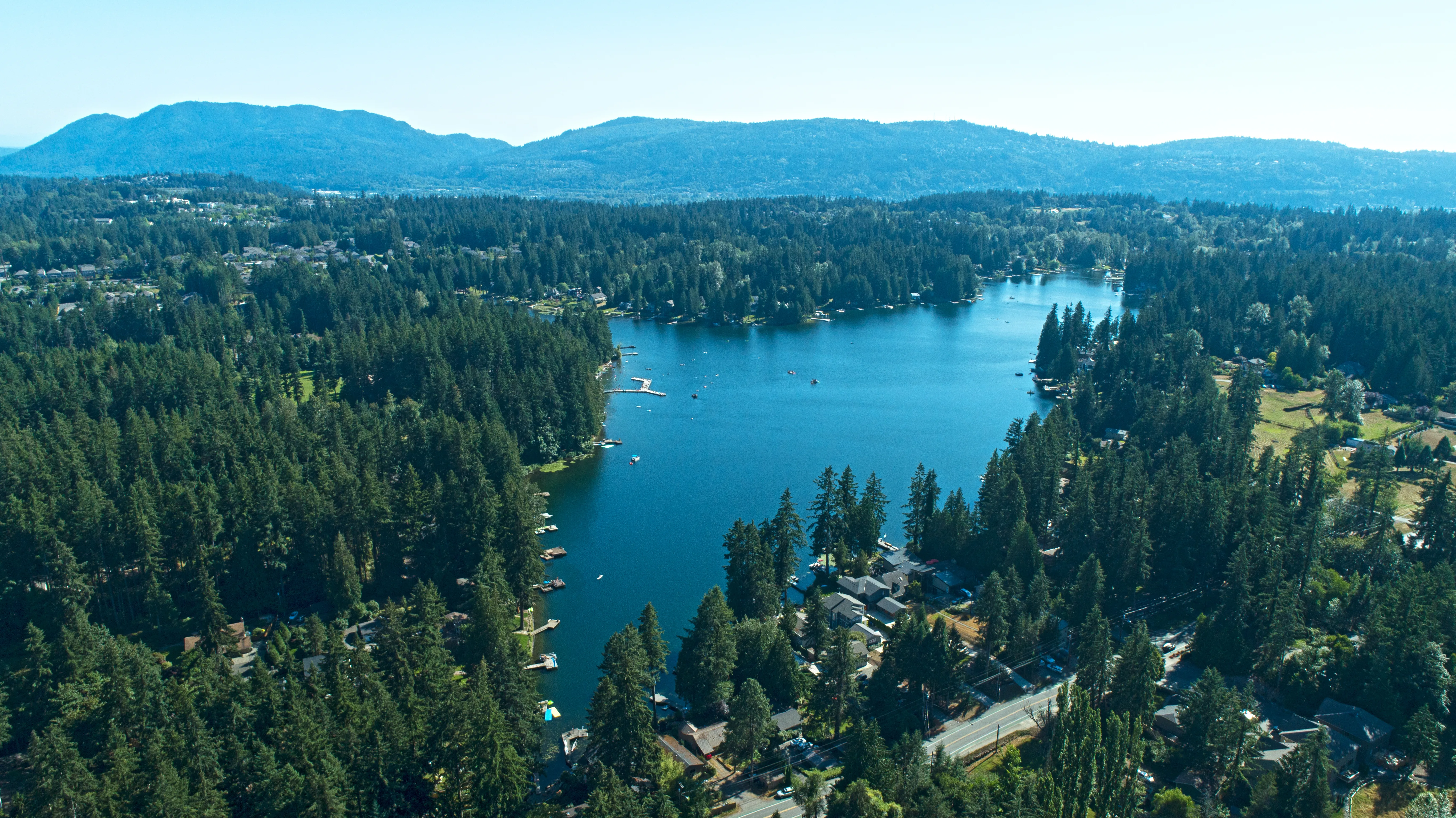
Lake Sammamish State Park adds a dimension that distinguishes Issaquah from comparable eastside suburbs like Sammamish proper or Newcastle. The park's beach access, kayak launches, and picnic areas are within a ten-minute drive of nearly every neighborhood in the city, and in summer they function as the city's backyard in a way that no amount of neighborhood amenities can replicate. The Issaquah Salmon Hatchery on Rearing Pond Road is a genuinely unusual asset — watching salmon return up Issaquah Creek each fall is the kind of thing residents mention when asked what they'd miss most if they left.
The housing stock itself is another underappreciated advantage. Issaquah's master-planned neighborhoods were largely built in the 1990s through 2010s, which means buyers get newer construction quality, better energy efficiency, and more thoughtful street design than they'd find in comparable-priced neighborhoods in older Eastside cities. The tradeoff is lot size — the average Issaquah Highlands lot is modest by suburban standards — but for buyers who don't want maintenance-heavy properties, that's a feature rather than a compromise.
Looking to buy in Estimate your payment.
Enter your numbers to see an estimated monthly mortgage payment.
Estimate only. Excludes HOA fees and mortgage insurance.
The price point is the first honest conversation. As of mid-2026, the median sold price across Issaquah runs in the range of $950,000 to $1.1 million depending on the quarter — with individual neighborhoods varying substantially from that band. Entry-level single-family homes in North Issaquah or Gilman can be found in the high $600,000s to low $700,000s, but buyers expecting a traditional suburban value play relative to Bellevue will find the gap narrower than they expected. The household income required to comfortably carry a median Issaquah home with standard financing runs in the range of $220,000 to $240,000 annually — a figure that excludes a meaningful share of buyers who assumed the eastside-of-Bellevue location would translate to eastside-of-Bellevue pricing.
The geographic beauty that draws buyers also creates genuine inconveniences. Issaquah sits in a valley, and the fog and low cloud that settles between the mountains from November through February can feel oppressive by March to buyers who moved from sunnier climates or from Seattle's more marine-influenced neighborhoods. The city also has limited flat terrain, which means that "walkable" neighborhoods still involve elevation gains that make errands on foot genuinely athletic. Neighborhoods like Talus and portions of Issaquah Highlands require a car for most daily tasks despite their planned-community design.
Why some people leave after a few years tends to cluster around two specific issues. The first is the entertainment and dining ceiling — Issaquah has solid local restaurants and a genuinely pleasant downtown, but buyers who moved from Capitol Hill or Fremont often find themselves making the drive to Seattle or Bellevue three or four nights a week for the dining and nightlife variety they actually want. The second is the school district pressure. The Issaquah School District's strong reputation creates a competitive academic culture that works well for some families and generates significant stress in others — several school-focused Issaquah parent communities are among the most active on eastside parenting forums, and not always positively.
The I-90 corridor also means Issaquah bears the brunt of eastside recreational traffic patterns. Summer weekends in particular can make the city feel like a bottleneck — SR-900 through downtown clogs with vehicles headed to Lake Sammamish, and finding parking near the Gilman Village area on a sunny Saturday afternoon is a genuine exercise in patience. These are quality-of-life details that don't show up in neighborhood comparison tables but consistently come up in conversations with residents who are weighing whether to stay.
The neighborhoods below represent the most buyer-relevant distinctions within Issaquah. The city has more named communities than this list covers, but these eight account for the vast majority of transactions and offer the clearest sense of how significantly the living experience varies within city limits.
Issaquah Highlands is the city's most active sub-market and the neighborhood that most buyers picture when they imagine Issaquah at its best. Built around Grand Ridge Plaza — a mixed-use village center with grocery, restaurants, and services within walking distance of most homes — the neighborhood delivers the walkable suburban experience that planned communities often promise but rarely execute this well. Homes run roughly $900,000 to $1.5 million for single-family product, with townhomes and attached housing available at lower entry points. The catch is density: lots are small, homes sit close together, and the neighborhood's popularity means weekend foot traffic in the village center can feel urban-level busy.
Best for: Families who want walkability, strong schools, and don't mind a tight lot in exchange for community infrastructure.
Talus is the neighborhood for buyers who want mountain drama and modern architecture without driving to Snoqualmie. Positioned at the base of Cougar Mountain with immediate trail access, the homes here tend toward multi-level contemporary designs that capture views few other Issaquah neighborhoods can match. Prices range from roughly $1.0 million to $1.3 million, with Copper Ridge townhomes offering entry in the mid-$900,000 range. Buyers should be aware that several parcels sit adjacent to steep slopes classified as landslide-hazard terrain — due diligence on specific lot conditions is worth the time here more than in most Issaquah neighborhoods.
Best for: Outdoor enthusiasts and buyers who want newer construction with mountain views and immediate trail access.
Klahanie carries an Issaquah mailing address but sits technically within Sammamish, a distinction that matters primarily for governance — it feeds into the Issaquah School District including Skyline High School, which is the more relevant fact for most families. The nearly 900-acre planned community delivers the full suburban amenity package: community pools, miles of maintained trails, parks, and the Klahanie Shopping Center within the neighborhood boundaries. Homes typically trade in the $950,000 to $1.2 million range. The one nuance worth knowing is that some addresses on the fringes of Klahanie fall into the Lake Washington School District rather than Issaquah — verifying the specific address assignment before making an offer is essential.
Best for: Families who want maximum community infrastructure and strong schools with slightly more breathing room than Issaquah Highlands.
Providence Point is Issaquah's most accessible neighborhood by price and its most distinctive by design — a 55-plus gated community offering condominiums and attached homes from approximately $400,000 into the upper $600,000s. For retirees and older buyers, it represents a genuinely unusual opportunity: Issaquah School District-adjacent quality of life, mountain surroundings, and proximity to Swedish Issaquah Medical Center, at price points that don't exist elsewhere in the city. The community has extensive internal amenities including a clubhouse, fitness center, and social programming that gives it a resort-like self-sufficiency. The primary limitation is what the age restriction excludes — buyers under 55 are not eligible to purchase here.
Best for: Active adults and retirees seeking low-maintenance living with strong community amenities at Issaquah's most accessible price point.
Downtown Issaquah and the adjacent Olde Town district form the city's historic core along Front Street and Sunset Way, and offer the closest thing to urban walkability that Issaquah delivers. Homes here tend toward older craftsman and mid-century stock with more character than the master-planned neighborhoods, trading in roughly the $750,000 to $1.1 million range. The Gilman Village complex is within easy walking distance, and the area is one of the few in the city where errands on foot are genuinely practical rather than aspirational. The honest tradeoff is that older homes in this corridor often require more maintenance investment than the newer hillside communities, and lot sizes vary considerably.
Best for: Buyers who want Issaquah's most walkable setting and the character of an established neighborhood over the polish of a master-planned community.
Montreux sits on the western slopes above Lake Sammamish and is the most unambiguously luxury neighborhood in the city. Gated and private, with lots that allow for significant setbacks and landscaping, homes here typically trade between $1.5 million and $2.5 million with the upper tier pushing well beyond that. Views of Lake Sammamish and the Cascade foothills are the defining feature, and the community's design prioritizes separation and privacy over the connected walkability that defines Issaquah Highlands. Buyers who need that specific combination — luxury construction, privacy, and proximity to I-90 — will find Montreux difficult to replicate anywhere on the eastside at comparable pricing.
Best for: High-income buyers who want privacy, lake views, and luxury finishes without the commute penalty of living further east.
Gilman is one of the more overlooked options in Issaquah for buyers who want genuine value within the city's school district boundaries. Housing stock here is mixed — some older single-family homes, some newer infill construction, some attached product — with prices generally ranging from the high $400,000s to around $850,000 depending on type and condition. The neighborhood benefits from proximity to Gilman Village's restaurants and shops, and it offers some of the city's better walkability for daily errands. For buyers who've priced themselves out of Issaquah Highlands or Klahanie, Gilman frequently surfaces as the entry point that still delivers on the core Issaquah promise.
Best for: First-time buyers and value-focused households who want access to Issaquah's school district and amenities without the premium pricing of the master-planned communities.
Mirrormont is the neighborhood for buyers who actually want the rural feeling that Issaquah's marketing implies but rarely delivers at scale. Located near Cougar Mountain on larger wooded lots, homes here trade roughly in the $900,000 to $1.2 million range and offer the kind of forested privacy that requires either a long drive or a significant price premium in most other eastside markets. The compromise is clear: you are farther from everything, the roads are smaller, and the sense of remove is real. Buyers who've lived in Mirrormont for years and stayed tend to have made an explicit choice to prioritize the natural environment over convenience — and they're usually emphatic that it was the right call.
Best for: Nature-first buyers who want wooded acreage, genuine privacy, and proximity to Cougar Mountain trails without leaving Issaquah city limits.
| City | Best For | Median Home Price | Commute to Seattle | Vibe |
|---|---|---|---|---|
| Issaquah | Outdoor lifestyle + top schools | ~$1,070,000 | ~25 min | Mountain-suburban blend |
| Sammamish | Newer construction, family-focused | ~$1,200,000 | ~35 min | Polished planned suburb |
| Bellevue | Urban amenities, walkability | ~$1,400,000 | ~20 min | Dense eastside urban |
| Renton | Value, Boeing proximity | ~$700,000 | ~25 min | Working-class urban transition |
| Newcastle | Quiet, mid-tier pricing | ~$950,000 | ~25 min | Low-profile residential |
| Snoqualmie | Rural feel, newer neighborhoods | ~$870,000 | ~40 min | Small-town mountain community |
| Metric | Detail |
|---|---|
| Population | ~39,227 (2026) |
| Median Home Price | ~$1,070,000 |
| Median Household Income | ~$154,669 |
| Property Tax Rate | ~0.96% |
| School District | Issaquah School District (A rating) |
| Commute to Seattle | ~25 minutes via I-90 |
| Violent Crime per 1,000 | 2.7 |
| Property Crime per 1,000 | 34 |
| Cost of Living Index | ~178 (vs. 100 national average) |
Salmon Days is not a minor local festival. Held each October along Issaquah Creek, Salmon Days draws upward of 150,000 visitors over two days and transforms downtown Issaquah into one of the largest street festivals in King County. If you're new to the city and happen to have out-of-town guests that weekend, plan around it — parking becomes genuinely inaccessible in a wide radius, and residents who live near Front Street essentially surrender their block for 48 hours. Locals who've been here more than two years either lean fully into it (it's a great event) or leave town for the weekend. There's rarely a middle position.
The salmon hatchery is a real gathering point, not just a landmark. The Issaquah Salmon Hatchery on Rearing Pond Road hosts free viewing of returning coho and chinook salmon each fall, and on the right weekends in October and November, the creek behind the hatchery is dense with fish. This is genuinely one of those Pacific Northwest experiences that residents stop treating as a novelty and start treating as an annual ritual — families walk over from Olde Town, kids sit on the banks for an hour, and it has nothing to do with tourism. It's just a thing that happens in Issaquah in autumn.
The Cougar Mountain Zoo is small, intentional, and beloved. Located on SE 54th Street, the Cougar Mountain Zoological Park is a small private zoo focused on endangered species — snow leopards, kinkajous, red-tailed hawks — that operates more like a conservation facility than an entertainment attraction. Admission is modest, crowds are manageable, and it's become the default "something different to do on a Tuesday" for families who've already logged their Tiger Mountain miles for the week.
What I would not do if moving to Issaquah: Buy in the Grand Ridge area along NW Gilman Boulevard without testing the exit 17 on-ramp to westbound I-90 during a Tuesday morning commute, specifically between 7:45 and 8:30 a.m. The merge from that ramp onto I-90 can add 10 to 15 minutes to a commute that looks fast on Google Maps at 10 a.m. on a Sunday. Buyers who test the drive at the wrong time make an expensive discovery post-closing.
Local Expert Takeaway: If you're choosing between Issaquah Highlands and any other Issaquah neighborhood in mid-2026, the case for the Highlands is stronger than the listing prices alone suggest — inventory is up, sellers are negotiating, and it remains the most liquid sub-market in the city if life circumstances change. For buyers who need a lower entry point without leaving the school district, Gilman and North Issaquah are the two corridors I'd prioritize over driving further east to Snoqualmie. And if you haven't verified your specific address falls within Issaquah School District rather than Lake Washington School District, do that before you fall in love with a house.
✅ Issaquah delivers a genuine mountain-suburban lifestyle with top-ranked schools, immediate trail access, and a 25-minute commute to Seattle — a combination that's genuinely difficult to replicate anywhere else on the eastside.
⚠️ The price-to-income math is real: carrying a median Issaquah home comfortably requires a household income in the range of $220,000 to $240,000, and the market has softened but not dramatically — buyers should expect competition on well-priced homes in Issaquah Highlands.
📍 Neighborhood selection matters more here than in most cities: the difference between Talus, Mirrormont, and Downtown Issaquah isn't just price — it's commute pattern, walkability, school assignment, and daily quality of life.
Is Issaquah a good place to raise a family?
Issaquah is consistently ranked among the stronger family destinations on the eastside, primarily because of the Issaquah School District's A rating and the access to outdoor infrastructure that younger children can use year-round. The combination of strong schools, low violent crime (2.7 per 1,000 residents), and a community culture oriented around outdoor recreation and civic life makes it a particularly good fit for families who want the mountains close and the city accessible. The main caveat is cost — housing prices mean families often need dual high incomes to make the numbers work.
What is the cost of living like in Issaquah compared to Seattle?
Issaquah's cost of living index sits around 178, roughly 1.8 times the national average, which puts it broadly in line with Seattle and Bellevue. Housing is the dominant driver — the median home price of approximately $1,070,000 is the baseline, and property taxes at approximately 0.96% add roughly $10,000 annually to that figure. Groceries, utilities, and services run at Pacific Northwest metro rates, which means a household budget that works in most mid-sized American cities will feel tight in Issaquah without a correspondingly high income.
How does Issaquah compare to Sammamish for families?
The two cities share a school district boundary and similar demographics, but they deliver meaningfully different daily experiences. Issaquah has a historic downtown, more established trail access from within city limits, and more housing variety including the 55-plus community at Providence Point. Sammamish tends toward newer construction at slightly higher median prices, with a more uniform suburban landscape and somewhat longer commutes to Seattle. Families who want the mountain-town feel and the walkable downtown anchor tend to choose Issaquah; families who want maximum new-construction uniformity and slightly larger lots often choose Sammamish.
Explore the full Issaquah series: The Ultimate Issaquah Relocation Guide · Is Issaquah Safe? · Cost of Living in Issaquah · Best Neighborhoods in Issaquah · Issaquah Schools & Family Life · Issaquah Youth Sports · Issaquah Parks & Recreation · Retiring in Issaquah · 1031 Tax-Deferred Exchange in Issaquah · Issaquah First-Time Homebuyers Guide · Moving to Issaquah from California
Tell us what you need help with and we'll connect you with local resources.

About the Author
Todd Davidson is the founder of Living in Oregon and Living in Washington, where he publishes in-depth city guides, neighborhood resources, and local market insights covering more than 180 communities across the Pacific Northwest. While his background is in home financing and real estate, he created these digital platforms to help families research and compare regions before making a move.