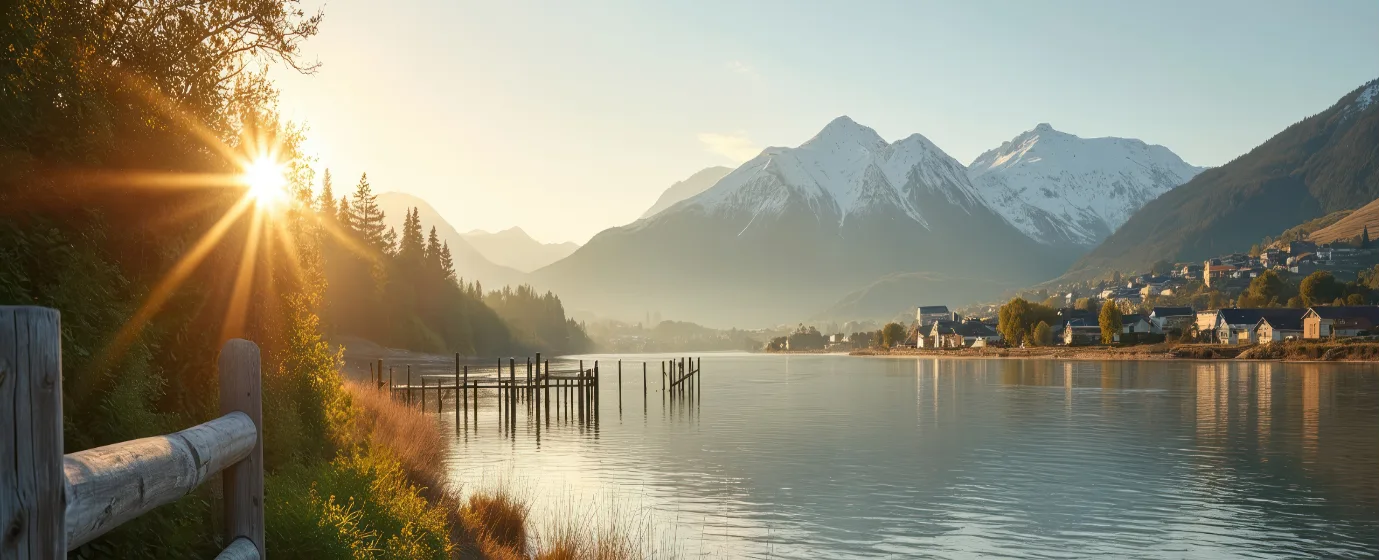
Puget Sound · Washington
Picking the wrong neighborhood in Marysville doesn't just mean a longer commute — it can mean buying into a price point that doesn't match what you'll find when you open the front door. With the city spanning more than 20 square miles and ranging from historic bungalows near Third Street to newer construction communities sitting at $750,000 and above, the difference between neighborhoods here is not cosmetic. It's thousands of dollars, entirely different school zones, and wildly different daily experiences.
The key geographic divide in Marysville runs roughly along the I-5 corridor. West of that spine, you'll find older neighborhoods closer to the waterfront and downtown core — more affordable, more walkable, with the kind of lived-in character that comes from decades of growth. East and northeast of the freeway, newer master-planned communities and hillside neighborhoods push prices higher and trade urban grit for cul-de-sacs, mountain views, and longer drives to everything.
This guide breaks down where buyers are actually landing, what each neighborhood costs as of mid-2026, and what the real trade-offs look like — so you're not surprised after you've already made an offer.
| Neighborhood | Best For | Price Range | Vibe |
|---|---|---|---|
| Downtown | First-time buyers, renters | $450,000–$500,000 | Historic, walkable, transitional |
| Jennings Park | Families, move-up buyers | $585,000–$625,000 | Established, park-adjacent, community feel |
| Sunnyside | View seekers, families | $620,000–$680,000 | Scenic, elevated, residential |
| East Sunnyside | Equity builders, upsizers | $700,000–$740,000 | Premium suburban, larger lots |
| Whiskey Ridge | Luxury buyers, large lot seekers | $730,000–$770,000 | Upscale, quiet, hilltop setting |
| Getchell Hill | Commuters, newer-build buyers | $645,000–$685,000 | Rural-edge, newer construction |
| Smokey Point | Commuters, renters, first-time buyers | $490,000–$530,000 | Commercial-adjacent, highway-convenient |
| Lakewood | Families, value-focused buyers | $595,000–$635,000 | Quiet, residential, wooded lots |
| Kellogg Marsh/Village | Entry buyers, renters | $535,000–$575,000 | Affordable, functional, no-frills |
| North Marysville | Newer-build buyers, commuters | $590,000–$650,000 | Growing, newer stock, freeway adjacent |
| Buyer Type | Best Neighborhood | Why |
|---|---|---|
| First-time buyer | Downtown or Smokey Point | Lowest entry prices in the city; walkable or freeway-convenient |
| Luxury buyer | Whiskey Ridge | Highest price point, larger lots, quiet hillside setting |
| Walkability seeker | Downtown | Third Street shops, Comeford Park, Ebey Waterfront all on foot |
| Families with kids | Jennings Park | Park-adjacent, community events, family-oriented character |
| Commuters to Seattle/Everett | Smokey Point or North Marysville | Direct I-5 access; shaves meaningful time off the 45-minute Seattle run |
| Large lot buyers | Whiskey Ridge or Getchell Hill | Rural-edge parcels, more breathing room than typical suburban plats |
| Renters | Smokey Point or Kellogg Village | Best rental inventory concentration; competitive price range |
Downtown is Marysville's most affordable ownership entry point, with a February 2026 median sale price around $472,000 — well below the city-wide figure. The historic Third Street corridor, Comeford Park, and the Marysville Opera House are all walkable, giving this neighborhood more on-foot access than anywhere else in the city. The catch is that housing stock skews older, lots are small, and the area is still working through a slow revitalization that hasn't yet transformed every block.
Best for: First-time buyers who want walkability and the lowest price point in the city without leaving the Marysville core.
The Jennings Park neighborhood benefits directly from its proximity to Jennings Memorial Park — a genuine community anchor with trails, playgrounds, and open green space that draws residents year-round. Homes here sit near the city-wide median, with prices in the $585,000–$625,000 range, and they tend to move faster than much of the city, averaging around 20 days on market. The downside is that the neighborhood's popularity has compressed inventory, and buyers often face competitive offer situations even on homes that need updating.
Best for: Families with kids who want a park within walking distance and an established neighborhood feel without paying the Whiskey Ridge premium.
Sunnyside sits on elevated terrain that delivers genuine views of the Snohomish River valley and, on clear days, the Olympic Mountains — and buyers pay for those sightlines, pushing prices above the city median into the $620,000–$680,000 range. The neighborhood has an established residential character, with a mix of older and updated homes on lots that feel spacious compared to newer suburban plats. Proximity to retail on State Avenue is convenient, but getting to I-5 from the deeper residential streets adds time that commuters should factor in before falling in love with a view.
Best for: View-motivated buyers who want more character than a new-build subdivision delivers at a price still below the upper end of the market.
East Sunnyside is where Marysville's pricing steps up meaningfully, with a median around $720,000 — one of the highest in the city. Homes here tend to be larger, newer, and on more substantial lots than what you find in the original Sunnyside neighborhood. Days on market run longer at this price point, around 77 days, which reflects both the premium positioning and the smaller buyer pool chasing homes in the upper $700,000s in a city where the citywide median sits considerably lower.
Best for: Move-up buyers with equity to deploy who want newer construction and more space without crossing into the Whiskey Ridge price tier.
Whiskey Ridge sits at the top of Marysville's price ladder, with a median around $750,000 and a distinctly different character from the neighborhoods closer to downtown. The hillside setting offers separation from commercial noise, larger lot sizes, and a quieter pace that draws buyers specifically looking to leave density behind. The trade-off is real: with an average of 121 days on market, these homes move slowly, which means buyers have negotiating room — but sellers who overprice get punished by Marysville standards.
Best for: Luxury buyers and large-lot seekers who want the quietest, most spacious setting in the city and aren't in a rush to close.
Getchell Hill occupies the northeastern edge of Marysville's growth corridor, where the city starts giving way to rural Snohomish County landscape. Prices land around $665,000, with a faster absorption rate than Whiskey Ridge — homes here average roughly 42 days on market. The appeal is newer construction and more land per dollar, but the location means a longer drive to most Marysville amenities and a commute that gets complicated if SR-9 runs heavy in the morning.
Best for: Buyers who prioritize newer homes and larger parcels over walkability and are comfortable with a rural-edge lifestyle.
Smokey Point functions more as a commercial and transit hub than a traditional neighborhood, which makes it one of the most practical landing spots for renters and commuters. Home prices here sit in the $490,000–$530,000 range — among the more accessible in the Marysville area — with direct I-5 access that makes the 45-minute Seattle run about as smooth as it gets from this latitude. The honest downside is that the area's retail-heavy streetscape trades neighborhood atmosphere for pure convenience, and buyers looking for a quiet residential feel tend to leave disappointed.
Best for: Commuters, first-time buyers, and renters who want maximum freeway access and don't need their neighborhood to feel like a destination.
Lakewood offers a quieter residential experience with wooded lot character that distinguishes it from Marysville's more open suburban plats. Prices around $615,000 put it near the citywide median, but buyers consistently report getting more lot coverage and more mature tree canopy than they'd find in neighborhoods closer to the commercial corridors. The limitation is that Lakewood's relative calm comes with fewer nearby amenities — groceries and dining require a drive, and the area is primarily residential without the walkable infrastructure of downtown.
Best for: Families and value-focused buyers who want a quieter setting and don't mind being car-dependent for daily errands.
Looking to buy in Marysville? Estimate your payment.
Enter your numbers to see an estimated monthly mortgage payment.
Estimate only. Excludes HOA fees and mortgage insurance.
Treating Marysville as a uniform market. The gap between Downtown's $472,000 median and Whiskey Ridge's $750,000 median isn't random — it reflects real differences in housing stock age, lot size, commute convenience, and neighborhood character. Buyers who set a budget and then search "Marysville" without filtering by area often tour homes that are technically in the same city but have nothing in common with each other.
Underestimating the SR-9 and State Avenue bottlenecks. I-5 provides the cleanest shot south toward Everett and Seattle, but a significant portion of Marysville's eastern neighborhoods feed through SR-9 or State Avenue before hitting the freeway. During peak morning hours, that connector stretch — particularly near the 88th Street NE and State Avenue intersection — adds meaningful time that buyers don't account for when they're touring on a Saturday afternoon. If your daily commute runs south, pay close attention to which side of I-5 your home is on.
Buying in Smokey Point and expecting neighborhood walkability. Smokey Point's I-5 convenience is real, and so is its retail density. But the corridor feels like a commercial strip first and a neighborhood second. Buyers who prioritize coffee shops within walking distance, sidewalk culture, and neighborhood parks consistently find that Smokey Point's practicality doesn't translate into that kind of daily experience — and some regret not spending a bit more to land in the Jennings Park area instead.
Overlooking school boundary lines within zip codes. Marysville School District serves the entire city, but individual school assignments vary by address — and not all schools within the district draw equal parent attention. Buyers sometimes purchase based on a general sense of the district without verifying the specific elementary school assignment for their address. In a city where the district carries a C+ overall rating, the differences between individual schools matter more than the district average suggests.
| Area | Ideal For | Typical Rent Range | Trade-off |
|---|---|---|---|
| Downtown / Third Street corridor | Single renters, young professionals | $1,400–$1,800/mo (1BR) | Older units; limited parking |
| Smokey Point | Commuters, families, retail workers | $1,600–$2,200/mo (2–3BR) | Commercial feel; noise from nearby arterials |
| Kellogg Village / Kellogg Marsh | Budget-focused renters | $1,500–$1,900/mo (2BR) | Fewer amenities; limited walkability |
| North Marysville | Families wanting newer units | $1,800–$2,400/mo (3BR) | Freeway noise in some complexes |
| State Avenue corridor | Convenience seekers | $1,600–$2,100/mo (2BR) | High traffic; lacks residential character |
Marysville's rental market is tighter than its ownership figures suggest. With roughly 30% of households renting across the city, demand for quality two- and three-bedroom units consistently outpaces supply — particularly in the Smokey Point area, where corporate and military renters tied to Naval Station Everett compete for the same inventory. Downtown offers the most affordable rental entry points, but stock is limited and units turn over quickly. Renters moving to Marysville from outside the area should expect to act within a few days of finding a suitable listing rather than taking a week to decide.
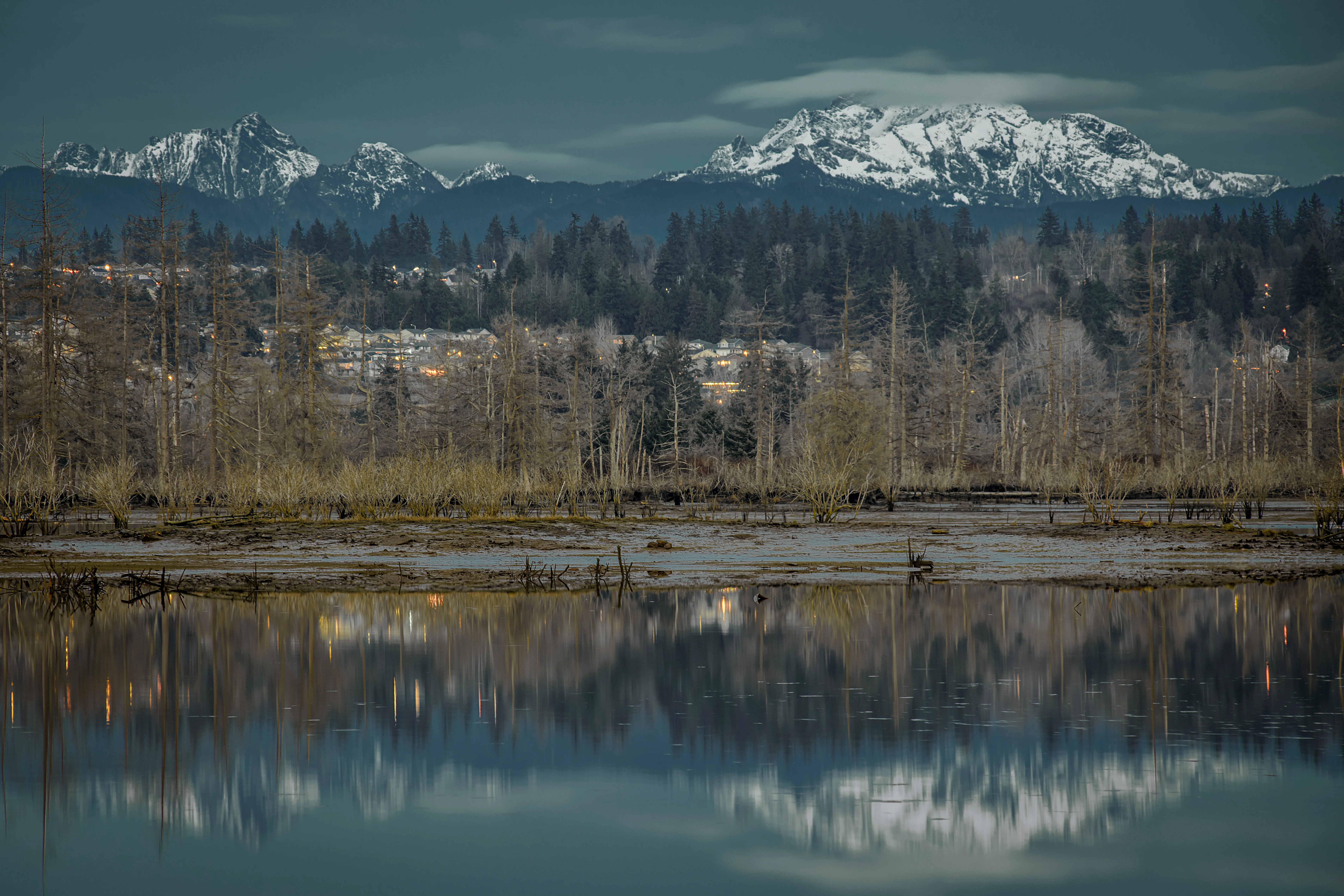
Local Expert Takeaway: The most important geographic insight for Marysville buyers is this: the I-5 corridor isn't just a traffic reference point — it's the single most reliable predictor of commute quality, price tier, and neighborhood character. If your daily destination is south (Everett, Seattle, Lynnwood), buy west of the freeway or in a neighborhood with verified direct on-ramp access. If you're working locally or remotely, Whiskey Ridge and Getchell Hill offer the most value per square foot at the upper end. And for buyers who want the fastest path to equity in a neighborhood still trending upward, Jennings Park's 20-day absorption rate is telling you something that a price chart alone won't.
What are the best neighborhoods in Marysville for families?
Jennings Park consistently draws families with school-age children thanks to its proximity to Jennings Memorial Park, faster-than-average days on market suggesting strong demand, and a neighborhood character built around community events and green space. Lakewood is another strong option for parents who want a quieter, more wooded setting at a price point near the city-wide median of $628,000.
Is Marysville a good place to buy a home in 2026?
Marysville remains one of the more accessible ownership markets in Snohomish County, with a median sold price around $628,000 and 10-year appreciation placing it in the top 10% of markets nationally. Homes are moving quickly — roughly 13 days on average — so buyers who find the right neighborhood should be prepared to act. The city's ongoing population growth and proximity to major employers like Boeing and Naval Station Everett support continued demand.
How does Marysville compare to nearby cities for real estate value?
Marysville typically prices below Lake Stevens and Everett's more established neighborhoods while offering more space and newer construction than buyers find closer to the Sound. The city functions as an affordability anchor in northern Snohomish County — buyers priced out of Bothell or Lynnwood regularly land here and find comparable square footage at meaningfully lower prices, though the commute to Seattle at roughly 45 minutes is longer than those southern-suburb alternatives.
Explore the full Marysville series: The Ultimate Marysville Relocation Guide · Is Marysville Safe? · Cost of Living in Marysville · Best Neighborhoods in Marysville · Marysville Schools & Family Life · Marysville Youth Sports · Marysville Parks & Recreation · Retiring in Marysville · 1031 Tax-Deferred Exchange in Marysville · Marysville First-Time Homebuyers Guide · Moving to Marysville from California
Tell us what you need help with and we'll connect you with local resources.

About the Author
Todd Davidson is the founder of Living in Oregon and Living in Washington, where he publishes in-depth city guides, neighborhood resources, and local market insights covering more than 180 communities across the Pacific Northwest. While his background is in home financing and real estate, he created these digital platforms to help families research and compare regions before making a move.