Puget Sound · Washington
Snohomish is small enough that people sometimes assume it doesn't matter much where you buy — that the whole city is essentially the same experience. That assumption costs people. A home near Dutch Hill Road is a fundamentally different life than a townhome a mile from First Street, and a Highlands subdivision with a newer school boundary is a different world from a Machias acreage property fifteen minutes east. In a city of under 11,000 people, the neighborhood you choose shapes your commute, your school assignment, your lot size, and your daily routine more than almost any other single variable.
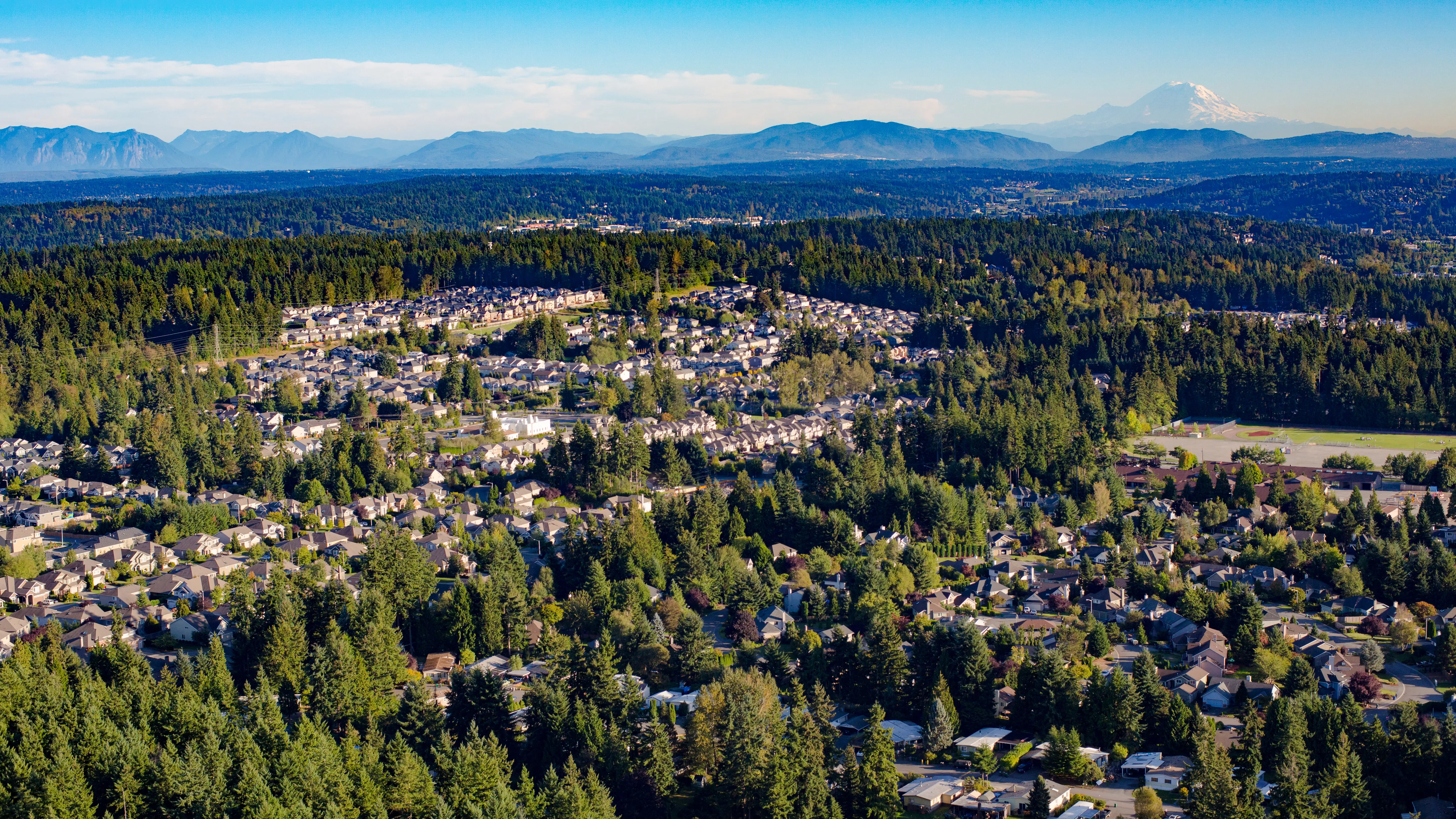
The geographic divide in Snohomish runs roughly along the old downtown core. North of Highway 2, you're looking at the historic neighborhoods, the river, the antique shops, and the kind of walkability that's genuinely rare in Snohomish County. South and east of downtown, the character shifts toward newer planned subdivisions, larger lots, and quieter suburban streets. The Highlands and Highlands East sit in the southern zip code (98296) alongside the schools that get the most attention from families arriving from King County. Dutch Hill, Lord Hill, and the rural fringe areas occupy the northeast quadrant — acreage country where custom homes on wooded lots are the draw, not the walk to brunch.
This guide breaks down where buyers and renters are actually looking in 2026, what each area costs, and — just as importantly — what each area costs you in trade-offs. Whether you're prioritizing a walkable downtown lifestyle, top school access, room to breathe on a larger lot, or simply the best value per dollar in the county, Snohomish has a version of that. The job is figuring out which version fits your life.
| Neighborhood | Best For | Price Range | Vibe |
|---|---|---|---|
| Downtown / Historic District | Walkability, lifestyle buyers | $605,000–$715,000 | Victorian charm, antiques, river access |
| The Highlands | Families, newer construction | $415,000–$930,000 | Planned suburban, top schools nearby |
| Dutch Hill | Luxury, privacy, acreage | $900,000–$2M+ | Estate country, rural prestige |
| Lord Hill | Custom homes, nature access | $950,000–$1.6M+ | Wooded acreage, trailhead adjacent |
| Pilchuck District | First-time buyers, commuters | $550,000–$750,000 | Transitional suburban, near amenities |
| Northwest Snohomish | Families, lake access | $580,000–$800,000 | Quiet residential, 1980s–2000s homes |
| Cathcart | Commuters, value seekers | $700,000–$800,000 | New construction townhomes, freeway close |
| Clearview | Entry acreage, affordability | $600,000–$900,000+ | Semi-rural, mixed housing stock |
| Three Lakes / Machias | Rural lifestyle, large lots | $550,000–$800,000 | Wooded, rural, further out |
| French Creek / Fobes Hill | Value, space, quiet | $580,000–$850,000 | Rural alternative to Dutch Hill |
| Buyer Type | Best Neighborhood | Why |
|---|---|---|
| First-time buyer | Pilchuck District | Most accessible entry points, close to downtown amenities |
| Luxury buyer | Dutch Hill | Estate lots, custom builds, county-wide prestige |
| Walkability seeker | Downtown / Historic District | First Street, farmers market, river walk — genuine walkability |
| Families with kids | The Highlands | Near Glacier Peak High, newer construction, Willis Tucker Park |
| Commuters (Seattle/Everett) | Cathcart | Closest to US-2 and I-5 interchanges, newer townhomes |
| Large lot buyers | Lord Hill | 1–10 acre parcels, adjacent to Lord Hill Regional Park trails |
| Renters | Northwest Snohomish / Highlands | Best rental inventory mix, suburban stability |
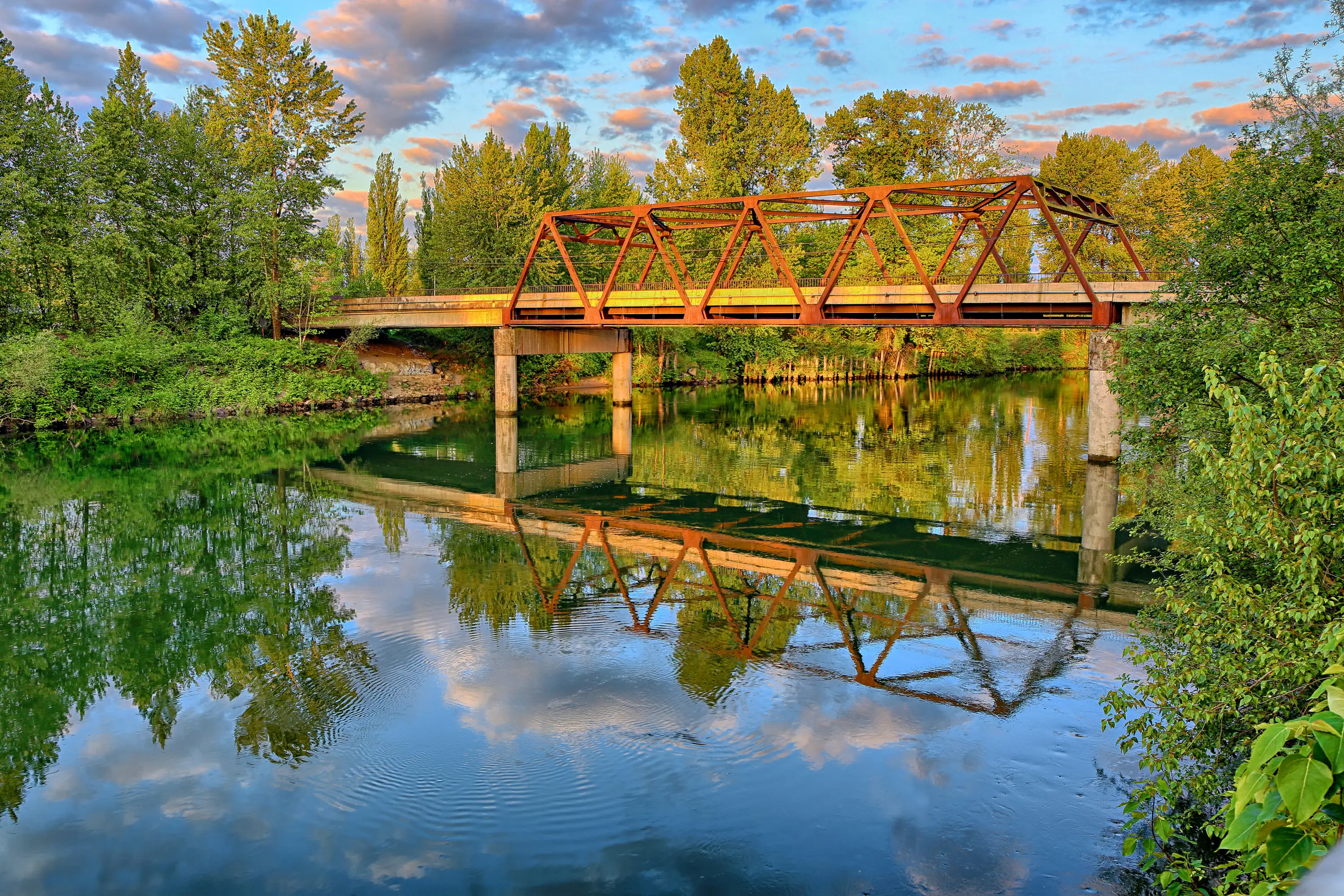
First Street is the center of gravity for buyers who want a life that doesn't revolve entirely around a car. The street runs lined with independent antique dealers, the Oxford Saloon, Snohomish Bakery, J&L BBQ, and the kind of locally owned businesses that strict historic zoning has successfully kept from being replaced by chains. The Thursday farmers market runs May through October, drawing consistent foot traffic that makes the neighborhood feel genuinely alive on weekday evenings. The downside is real: housing stock here skews older and smaller, parking is frequently tight, and the condo median of around $605,000 to $715,000 buys you considerably less square footage than the same money would in the Highlands. The river walk behind the main street adds legitimate recreational appeal, but the tradeoff is density and an older housing stock that often requires more maintenance investment than newer construction further south.
Best for: Lifestyle-first buyers who prioritize walkability, historic character, and proximity to downtown dining over square footage.
The Highlands sits in the southern 98296 zip code and has attracted the most consistent attention from Seattle-area relocators over the past several years. Newer construction from the 1990s onward means open floor plans, better insulation, and fewer surprise repair bills — a real consideration when comparing against downtown's older Victorian stock. The proximity to Willis Tucker Community Park and the school boundaries that pull from Glacier Peak High School give this area its family-friendly reputation. Pricing spans a wide range, from roughly $415,000 for an end-unit townhome in communities like The Arbors at the Highlands to $930,000 or above for larger single-family corner lots. The honest trade-off: this is a planned suburban neighborhood, and it feels like one — the streets are quieter, the character is newer, and the walkable downtown that makes Snohomish distinctive requires a short drive.
Best for: Families with school-age children prioritizing newer construction, park access, and strong school boundaries over downtown proximity.
Dutch Hill occupies the northeast quadrant of greater Snohomish, stretching along Riverview Road, Fobes Hill Road, and Dubuque Road on properties that commonly run one to ten acres. The homes here are predominantly custom-built, the views stretch across open farmland and wooded ridgelines, and the neighborhood carries the kind of understated prestige that doesn't announce itself loudly. Active listings range from just under $900,000 into the $2 million range, and inventory has stayed persistently tight — which has kept pricing firm even as other segments softened. The catch is commute: while downtown Snohomish is only about eight minutes away, heading toward Everett or Bellevue during peak hours means navigating US-2, which can compress badly near the Highway 9 junction. Buyers who work remotely or have flexible hours feel this less acutely than five-day office commuters.
Best for: Luxury buyers, remote workers, and equity-rich move-up buyers seeking acreage with views and a short drive to Historic Downtown.
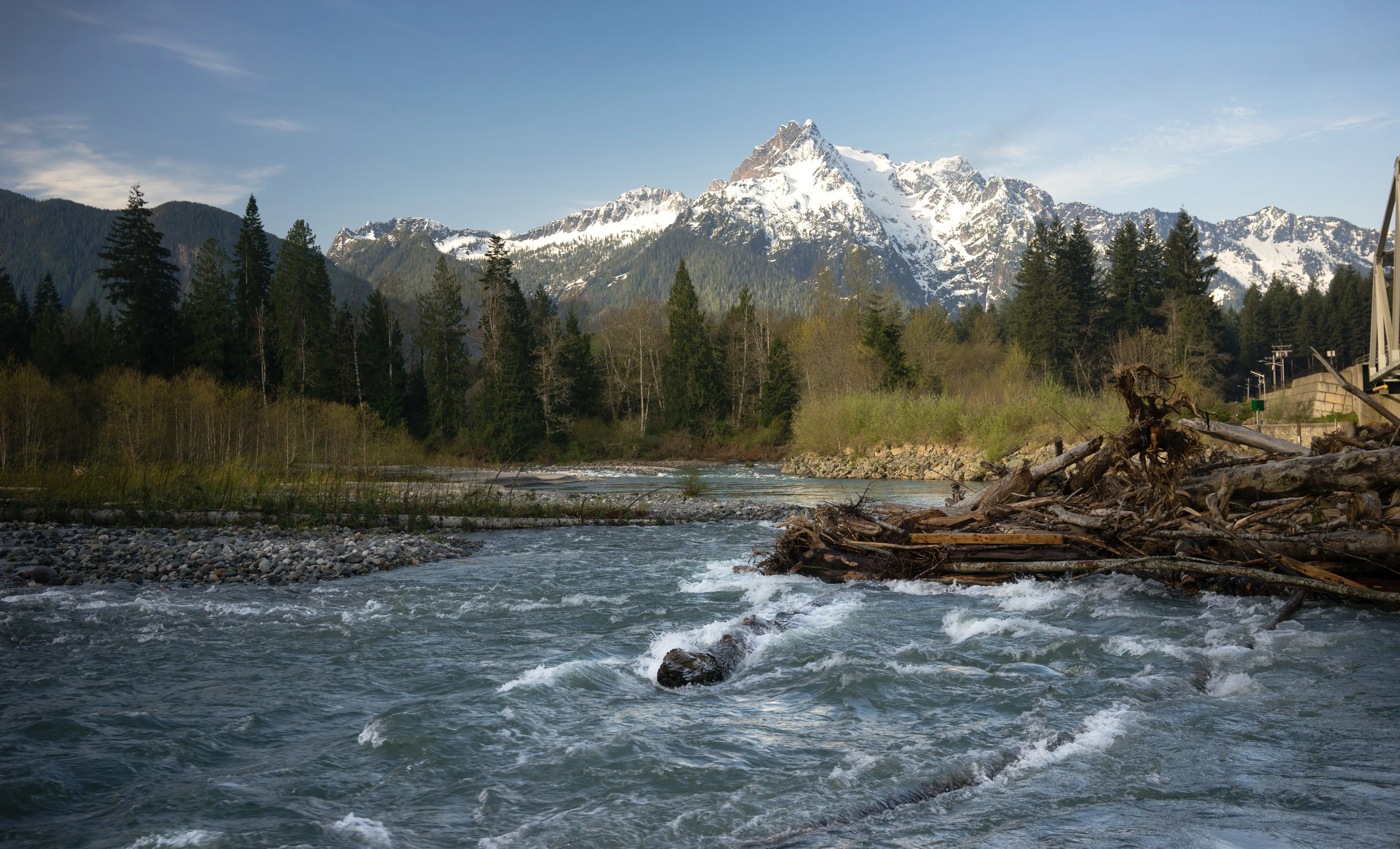
Lord Hill sits adjacent to the 1,400-acre Lord Hill Regional Park, which means trails literally begin at the end of some driveways. Custom homes on wooded acreage are the norm — a recent listing at $1,595,000 sat on 6.8 acres with trail access. The area attracts buyers who genuinely want the rural experience rather than the rural aesthetic: you're looking at septic systems, private wells on some parcels, longer drives to grocery stores, and roads that feel remote in a wet Pacific Northwest winter. Median list prices in Lord Hill have hovered around $950,000, but the range varies considerably based on parcel size and the vintage of the home. If you're comparing this to Dutch Hill, Lord Hill skews more deeply wooded and more genuinely remote — it's the right choice for buyers who want that, and the wrong choice for buyers who think they do but haven't spent a January there.
Best for: Nature-focused buyers, equestrian households, and custom-build seekers who want the most direct access to Lord Hill Regional Park.
The Pilchuck area sits east of downtown and serves as the transitional zone between the historic core and the more suburban neighborhoods further out. Prices here tend to fall in the $550,000 to $750,000 range, which makes it one of the more accessible entry points for buyers who want to be close to First Street without paying the downtown premium or accepting the downtown square footage constraints. The neighborhood is walkable to Pilchuck Park, the Centennial Trail, and the Snohomish Aquatic Center, which makes it more connected than its modest price point suggests. The honest limitation is character: this is a workmanlike suburban neighborhood without the architectural distinctiveness of the Historic District or the prestige of Dutch Hill, and buyers prioritizing aesthetics or lot size over access and price will likely keep searching.
Best for: First-time buyers and value-focused buyers who want proximity to downtown amenities without the entry cost of the Historic District itself.
Cathcart sits at Snohomish's southwestern edge and is the neighborhood most shaped by transportation logic. The US-2 and Highway 9 access makes it the most practical choice for buyers whose primary concern is getting to Everett quickly or connecting to I-5 without fighting through downtown Snohomish traffic. The Cathcart Crossing development brought new construction townhomes into the mid-$700s — contemporary floor plans, lower maintenance, and HOA-managed exteriors that appeal to buyers who don't want yard work consuming their weekends. The compromise here is genuine: Cathcart has the least neighborhood character of any area on this list, the townhome density is high, and buyers who want space or a quiet street will find the freeway proximity more noticeable than the listings suggest.
Best for: Commuters prioritizing freeway access, buyers who prefer new construction, and households that want minimal exterior maintenance.
Clearview occupies a semi-rural stretch south of the main Snohomish core, straddling the line between suburban and acreage living at a price point that undercuts Dutch Hill considerably. Entry-level parcels with older construction start in the $600,000s, while larger or updated properties push into the $900,000 range. The draw here is space at a relative discount — you can find usable land, a detached garage, and room for a garden without the seven-figure commitment that Dutch Hill requires. The limitation buyers encounter is that Clearview is genuinely in between things: it's not close enough to downtown to feel connected, and it's not remote enough to deliver the full rural experience. Buyers who want one or the other tend to move on; buyers who want land at a reasonable price and don't mind the neither-here-nor-there geography find real value.
Best for: Value buyers seeking usable lot size and semi-rural character without the Dutch Hill price commitment.
French Creek and Fobes Hill sit in Snohomish's rural eastern fringe and represent the most affordable entry point for buyers who want genuine acreage and a quieter pace. Prices range from the upper $500,000s into the mid-$800,000s depending on parcel size, home vintage, and condition — meaningfully below Dutch Hill and Lord Hill for comparable land area. The trade-off is distance: these are the areas where the 40-minute Seattle commute can stretch considerably longer depending on your specific address and time of departure. Grocery runs and school pickups involve more driving than any other area on this list, and the rural road network means snow and ice events hit harder here in winter. For remote workers and homesteaders who've genuinely priced this into their lifestyle, French Creek and Fobes Hill deliver the most land for the dollar in the Snohomish market.
Best for: Remote workers, homesteaders, and large-lot buyers seeking the most acreage per dollar on Snohomish's rural eastern edge.
Looking to buy in Snohomish? Estimate your payment.
Enter your numbers to see an estimated monthly mortgage payment.
Estimate only. Excludes HOA fees and mortgage insurance.
Underestimating the US-2 bottleneck. The commute from Snohomish to Seattle is commonly quoted at 40 minutes — and it is, under the right conditions. But US-2 between downtown Snohomish and the Stevens Pass corridor is a single-lane highway with no bypass options, and the merge onto US-2 from Highway 9 near the Cathcart interchange can add 20 minutes to an Everett or I-5 commute between 7:30 and 8:30 a.m. Buyers who test-drove the commute on a Saturday afternoon and committed to a Dutch Hill or Lord Hill property without doing the Monday morning drive have found this out the hard way.
Conflating the Historic District with the whole city. Buyers who fall in love with First Street often buy in the Historic District assuming the entire Snohomish experience is walkable and character-filled. The reality is that 98290 and 98296 are genuinely different places — the southern zip code around the Highlands has almost none of the pedestrian energy of downtown, and buyers who prioritized square footage in a Highlands subdivision have sometimes found themselves driving everywhere and missing what drew them to Snohomish in the first place. Be honest with yourself about whether you're buying into a neighborhood or a lifestyle before you make an offer.
Assuming rural means cheap. The Dutch Hill and Lord Hill corridors carry prices that surprise buyers arriving with Pacific Northwest rural assumptions. A 4-acre custom home on Riverview Road is not discounted relative to a Highlands single-family — in many cases it costs considerably more, with the added complexity of well and septic systems. Buyers who target acreage expecting a price break compared to downtown often find the opposite.
Ignoring flood zone designations near the river. Properties in close proximity to the Snohomish River, particularly on the north and northwest sides of downtown, carry FEMA flood zone designations that require separate flood insurance. This doesn't disqualify those properties — many are beautiful and well-positioned — but buyers who didn't research this before offer submission have faced surprise insurance costs and lender complications at closing. Check the FEMA flood map for any property within half a mile of the river before you're emotionally committed.
| Area | Ideal For | Typical Rent Range | Trade-off |
|---|---|---|---|
| Downtown / Historic District | Young professionals, lifestyle renters | $1,800–$2,400/mo | Limited inventory, older units |
| The Highlands | Families, longer-term renters | $2,200–$3,000/mo | Less walking, car-dependent |
| Northwest Snohomish | Families, suburban renters | $2,000–$2,700/mo | Older housing stock |
| Cathcart | Commuters, short-term renters | $2,100–$2,800/mo | Townhome density, HOA rules |
| Pilchuck District | Budget renters, first-timers | $1,700–$2,300/mo | Limited retail within walking distance |
Local Expert Takeaway: The single most important geographic decision in Snohomish is whether you're buying into the 98290 or 98296 zip code — they are genuinely different cities in terms of daily life, school access, and neighborhood character. If walkability and historic character drive your decision, focus your search between First Street and the Pilchuck District. If school boundaries and newer construction matter more, the Highlands in 98296 is where to concentrate. And if your budget allows and your commute schedule is flexible, the Dutch Hill corridor on Riverview Road offers something you simply can't find at this price point anywhere closer to Seattle.
What are the best neighborhoods in Snohomish for families?
The Highlands and Highlands East consistently attract families relocating from King County, largely because of the newer construction, proximity to Willis Tucker Community Park, and the school boundaries that include Glacier Peak High School. The Pilchuck District offers a more affordable entry point with good park and trail access, while Dutch Hill suits families who want acreage and don't mind the commute trade-off.
Is Snohomish a good place to buy a home in 2026?
Snohomish offers meaningful value relative to King County with a median single-family sold price around $750,000 — well below comparable homes in Bothell, Kirkland, or Bellevue. Inventory remains relatively low at roughly 2.2 months of supply in Snohomish County, and well-priced homes in the $550,000–$850,000 range continue to attract multiple offers. The city's historic character, Snohomish School District's A- rating, and 40-minute Seattle commute make it a legitimate option for buyers who've been priced out of closer-in suburbs.
What is the difference between downtown Snohomish and the Highlands?
Downtown Snohomish, centered on First Street in the 98290 zip code, is the walkable historic core — antique shops, restaurants, the farmers market, river access, and Victorian-era architecture. The Highlands sits in the southern 98296 zip code and is a planned suburban neighborhood built primarily from the 1990s onward with newer homes, HOA communities, and a more traditional suburban layout. They serve genuinely different buyer profiles, and most agents who know Snohomish will ask which version of the city you're drawn to before showing you anything.
Explore the full Snohomish series: The Ultimate Snohomish Relocation Guide · Is Snohomish Safe? · Cost of Living in Snohomish · Best Neighborhoods in Snohomish · Snohomish Schools & Family Life · Snohomish Youth Sports · Snohomish Parks & Recreation · Retiring in Snohomish · 1031 Tax-Deferred Exchange in Snohomish · Snohomish First-Time Homebuyers Guide · Moving to Snohomish from California
Tell us what you need help with and we'll connect you with local resources.

About the Author
Todd Davidson is the founder of Living in Oregon and Living in Washington, where he publishes in-depth city guides, neighborhood resources, and local market insights covering more than 180 communities across the Pacific Northwest. While his background is in home financing and real estate, he created these digital platforms to help families research and compare regions before making a move.