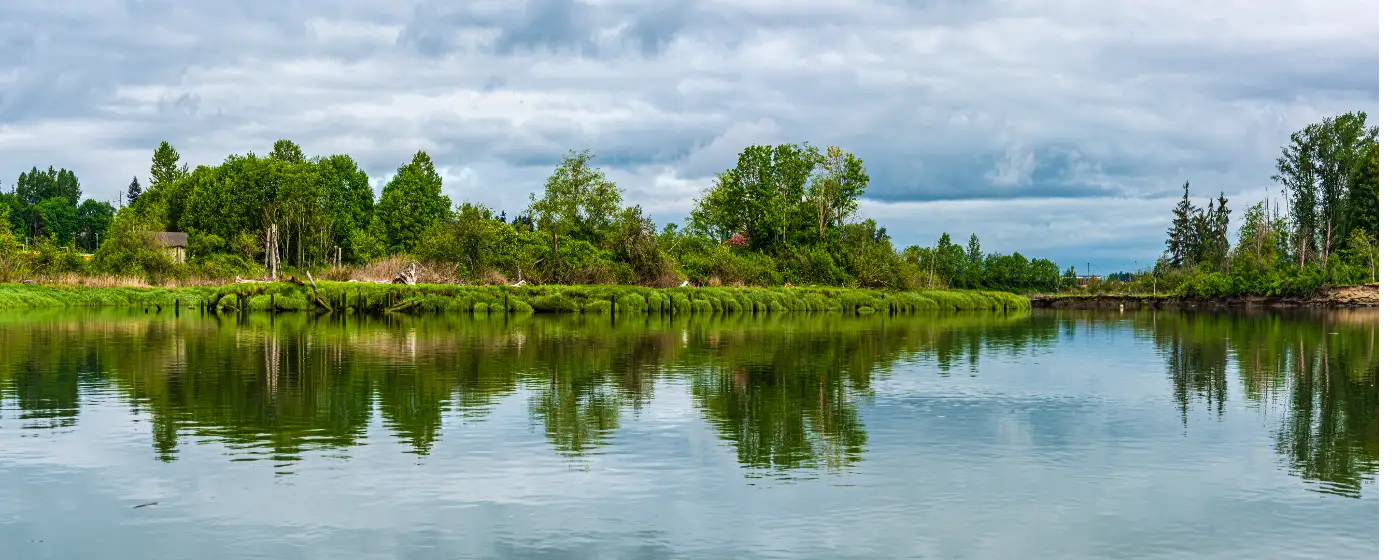
Puget Sound · Washington
You've narrowed it down to Snohomish. Maybe you're coming from out of state with a third-grader starting in September, or you're relocating from King County and heard Snohomish has solid schools without the price premium of Bothell or Issaquah. The Snohomish School District earns an A- rating from Niche and consistently ranks in the top 20% of Washington's 306 school districts — not the most competitive district in the metro, but a genuinely strong one, and significantly better than what families moving from outside the region often expect from a city of 10,000 people.
What shapes quality here is a combination of community investment and demographics. The district serves a relatively low economically disadvantaged population — around 15–16% — which correlates with stronger test score outcomes across all levels. Proficiency rates in reading and math consistently run above state averages, and the graduation rate holds at 90% district-wide, above Washington's statewide 84% benchmark. None of this happened by accident. It reflects a community that has historically prioritized schools.
This guide will help you evaluate which schools your children would likely attend based on where you're considering buying, what the district does exceptionally well, where it genuinely falls short, and what family life in Snohomish actually looks like beyond the report card.
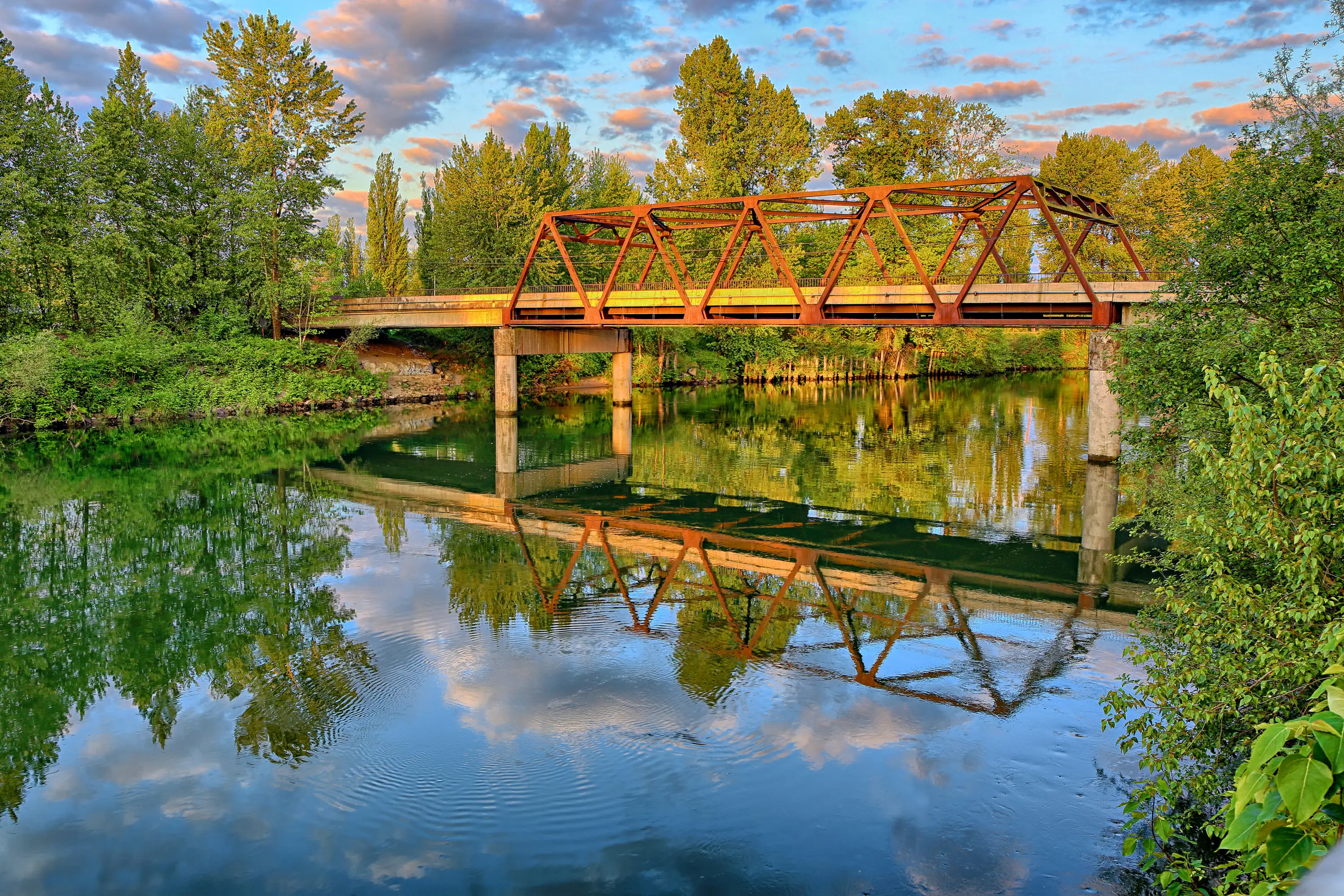
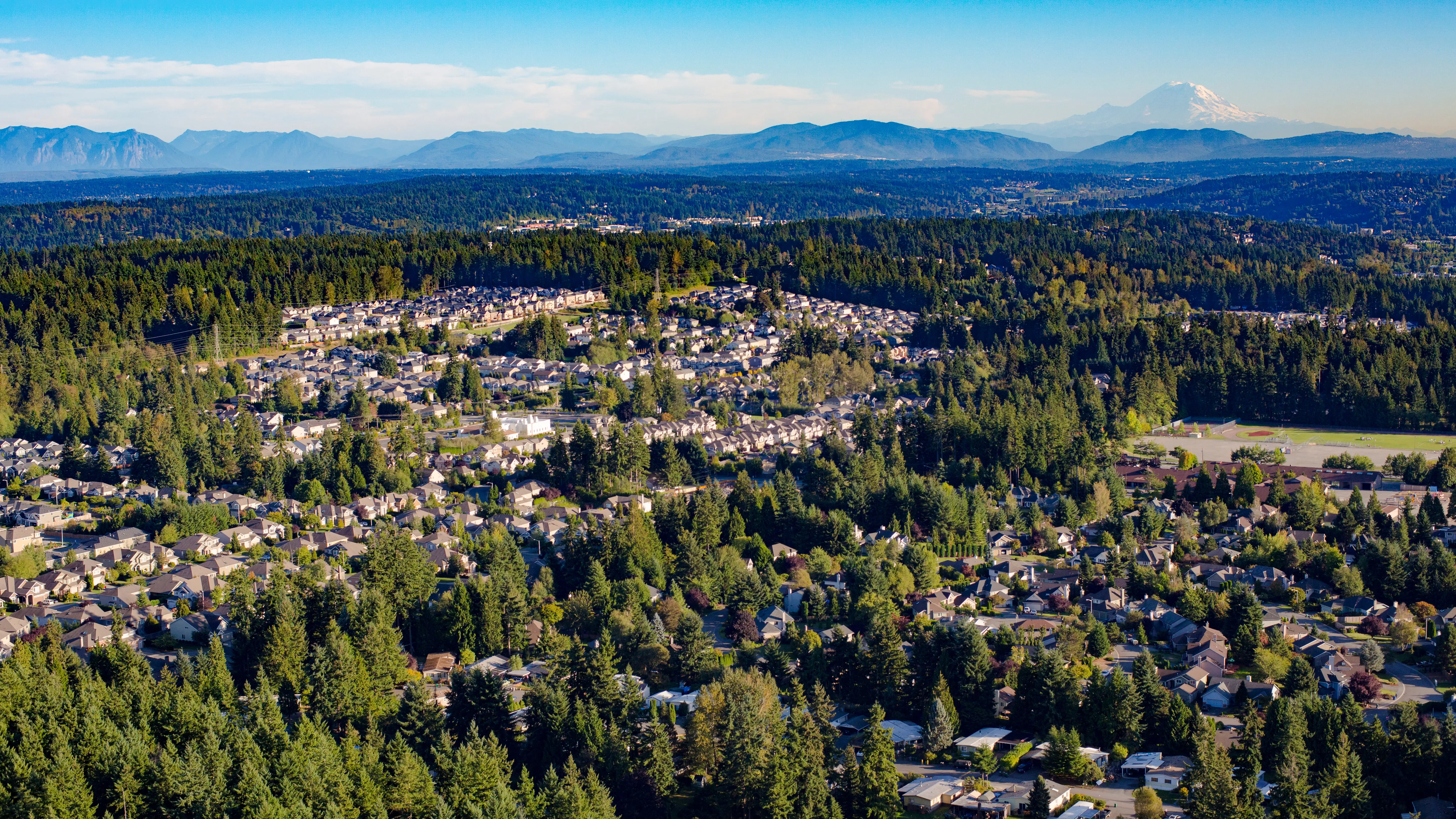
The Snohomish School District covers 128 square miles and serves a broader area than just the city of Snohomish — something new families often don't realize until they're trying to map school assignments to specific neighborhoods.
| Metric | Snohomish School District |
|---|---|
| Total enrollment | ~9,700 students (2024–25) |
| School campuses | 15 campuses (9 elementary, 2 middle, 3 high + alternative programs) |
| Student-teacher ratio | 19:1 (WA state average: ~18:1) |
| Licensed teachers | 100% state-licensed |
| Per-pupil spending | $16,106/yr (WA state median: $19,246) |
| Math proficiency | 50–54% (WA state average: ~40%) |
| Reading proficiency | 62–63% (WA state average: ~53%) |
| Graduation rate | 90% district-wide; 92% at Snohomish High School |
| State ranking | Top 20% of WA districts (#47 of 306) |
| Student diversity | 67% White, 14% Hispanic, 9% Asian, 8% multiracial |
The district operates nine elementary schools, though only a handful sit within or immediately adjacent to Snohomish city limits. Here are the six most relevant to families considering a move.
Central Emerson Elementary (1103 Pine Avenue, Snohomish) sits at the center of the historic downtown area and serves roughly 470 students in grades K–6, making it the most walkable elementary option for families buying in the historic core neighborhoods. Class sizes run on the larger side given the per-pupil spending reality, which is the honest trade-off for a central location families in the Historic District tend to accept.
Dutch Hill Elementary serves the established residential neighborhoods east of downtown and has a reputation among local parents for strong parent-teacher engagement and a tightly knit school community. The limitation is that Dutch Hill feeds into Centennial Middle School, which means families should research that transition before assuming continuity of experience.
Seattle Hill Elementary draws from the northern and northwestern portions of the district and is frequently mentioned in relocation circles as one of the higher-performing campuses within the Snohomish system. Families choosing northwest Snohomish neighborhoods often do so partly because of this assignment, though it's worth confirming specific address boundaries before assuming eligibility.
Cascade View Elementary serves portions of the district's southern and semi-rural edges and offers smaller class sizes than the centrally located schools, which appeals to families prioritizing individual attention. It is a longer drive from the downtown core, which matters if a family has children at multiple school levels.
Little Cedars Elementary sits in the more rural, outer-ring areas of the district and serves a smaller student body, lending it a close-knit community feel that some families actively seek out. The honest limitation is that extracurricular programming depth at smaller campuses typically runs thinner than at higher-enrollment schools.
Machias Elementary serves the Machias and surrounding rural communities on the district's outer fringe and tends to attract families drawn to rural residential living while remaining in the Snohomish School District boundary. Families should expect longer bus routes and less proximity to after-school activities than families living closer to central Snohomish.
The district runs two middle schools, with Centennial Middle School serving the bulk of students from central and east Snohomish neighborhoods. Centennial covers grades 6–8 and tends to benefit from strong feeder relationships with the higher-enrollment elementary schools, giving students a relatively smooth transition into structured departmental learning. The school draws from a wide socioeconomic cross-section of the district, which reflects the geographic breadth of its attendance zone.
Valley View Middle School serves the district's western and northwestern zones and is generally regarded by local parents as slightly smaller and more intimate than Centennial. Both middle schools feed into either Snohomish High School or Glacier Peak High School depending on the student's home address — confirming which high school your neighborhood feeds into is worth doing before you close on a house.
Snohomish High School (SHS) is the older of the two main high schools, a 4A WIAA classification school with a graduation rate of approximately 92% — well above the state average of 84%. SHS has strong programs in traditional academics and a well-established athletics culture, and students who thrive there tend to be self-directed learners comfortable in a mid-to-large high school environment; students who need more individualized academic support sometimes find the caseloads limiting.
Glacier Peak High School, opened in 2007, serves the newer growth areas of the district and also holds 4A WIAA classification. Graduation rates track similarly to SHS, and the school has developed a strong reputation for its STEM and CTE (Career and Technical Education) pathways in its shorter institutional history. Families moving into Silver Firs, Gold Creek, and the newer subdivisions on the district's western edge will typically fall into Glacier Peak's attendance zone.
Looking to buy in Estimate your payment.
Enter your numbers to see an estimated monthly mortgage payment.
Estimate only. Excludes HOA fees and mortgage insurance.
The A- district grade and top-20% state ranking are real — but they don't mean every family has an identical experience. What parents who move here specifically for the schools tend to say after a year is that the classroom instruction quality is genuinely solid, and that teachers are generally responsive and experienced. The surprise for families coming from higher-funded districts is more often about programming breadth than academic rigor: fewer specialized elective tracks at the elementary level, thinner gifted services than what some California or Eastside districts offer, and extracurricular depth that varies considerably between schools.
Access to the district's stronger programs isn't uniform across all neighborhoods. Families buying in central Snohomish or in the Dutch Hill area tend to find themselves in schools with more active parent communities and historically more parent fundraising supplementing district budgets. Families on the outer rural edges of the district — in places like Machias or the Lord Hill corridor — get the same district framework but with less proximity to enrichment activities and sometimes longer commutes to school events.
The thing that surprises most families after six months is how much the school community functions as a neighborhood anchor. In a city of under 11,000 people, the school connections become social infrastructure fast — parents meet at Willis D. Tucker Community Park during Saturday games, families end up at the Snohomish Farmers Market together, and the school calendar shapes the town calendar more directly than in larger suburban districts.
If your child has been enrolled in a dedicated gifted and talented program — the kind with full-time gifted pull-out services or differentiated curriculum starting in second grade — Snohomish's offerings may feel thin. The district has some differentiation within classrooms and supports advanced learners through compacted math pathways at the middle school level, but it does not operate a standalone gifted magnet program comparable to what Lake Washington or Bellevue Unified offers.
Families seeking an International Baccalaureate program will need to look elsewhere. Marysville Pilchuck High School and several Everett schools have IB or AP concentrations that are more developed than what Snohomish currently provides. Families prioritizing intensive visual or performing arts programs may find the options limited at the secondary level — the Tim Noah Thumbnail Theater is a wonderful community arts resource, but it isn't a substitute for a school with a dedicated conservatory track.
For families with children requiring specialized special education services, particularly autism spectrum or low-incidence disability programs, the district provides legally required services but may have fewer specialized self-contained classrooms than larger neighboring districts like Everett Public Schools. Families navigating complex IEPs should contact the district's Special Education department directly before buying — confirming that the right program placement exists for a specific address is worth doing before you're in escrow.
On the athletics side, 4A WIAA competition means both Snohomish High School and Glacier Peak are competing against well-resourced opponents. Student athletes who aspire to highly competitive college recruiting environments may find the path easier through some of the larger 4A or 5A districts in the Puget Sound region.
For families considering private education within or near Snohomish, options are limited compared to Everett or Bothell — but a few established institutions serve the area.
| School | Type | Grades | Location |
|---|---|---|---|
| St. Michael School | Catholic / Private | K–8 | Snohomish, WA |
| Snohomish Christian School | Christian / Private | K–12 | Snohomish area |
| Stillwater Christian School | Christian / Private | K–12 | Serving N. Snohomish County |
Local in-home daycares and licensed family childcare providers are more prevalent in Snohomish than large commercial childcare chains, which suits families who prefer smaller settings but requires more legwork to find availability. The Snohomish Early Childhood Education and Assistance Program (ECEAP) provides income-eligible families with preschool access through the school district — a resource that is genuinely well-regarded by local families who've used it.
The Sno-Isle Library system operates a Snohomish branch at 311 Maple Avenue that functions as much more than a book drop — storytime programs, after-school homework help, and summer reading challenges with structured incentives make it a weekly stop for many families with young children. It's not the largest branch in the Sno-Isle system, but its programming calendar is active and the staff is locally known for being genuinely helpful with kids.
Willis D. Tucker Community Park is where Snohomish's family life visibly concentrates on weekends. The park anchors youth baseball, soccer, and community events throughout the spring and summer, and families new to town consistently mention it as the fastest place to start building local connections. The Snohomish Farmers Market, running seasonally in downtown, doubles as a social event for families — expect to see school parents, coaches, and teachers in the same Saturday morning crowd alongside Historic Downtown shoppers.
The Centennial Trail runs through the area and is heavily used by families with bikes and kids who've outgrown playgrounds but haven't yet committed to organized sports. It connects Snohomish to surrounding communities in a way that makes active family routines genuinely easy to maintain without driving. For families arriving from denser metros who expect kids to walk or bike independently, Snohomish's trail and park infrastructure is one of the more pleasant surprises the city delivers.
Local Expert Takeaway: Before you buy in Snohomish with school-age kids, pull the district's current boundary maps and verify the specific school assignment for every address you're seriously considering — the difference between a Dutch Hill address and one a few blocks outside that attendance zone is meaningful. Families prioritizing Glacier Peak High School's STEM pathways should focus their search on the Silver Firs and Gold Creek neighborhoods on the district's western edge. And if advanced learners or specialized services are a priority, have that conversation with the district's enrollment office before you're under contract, not after.
Is Snohomish a good place for families?
Yes, Snohomish offers a well-regarded public school district, strong park and trail infrastructure, and a small-city community feel that many families find genuinely appealing after relocating from denser areas. The district's graduation rates and proficiency scores run above state averages, and the community events and library programming give families real social anchors outside the classroom.
What is the graduation rate at Snohomish High School?
Snohomish High School's graduation rate is typically reported around 92%, which is meaningfully above Washington state's average of 84%. District-wide, the Snohomish School District holds a graduation rate of approximately 90%, according to the most recently reported district figures.
How does the Snohomish School District compare to neighboring districts?
Snohomish ranks in the top 20% of Washington's 306 school districts, placing it ahead of Everett Public Schools and roughly comparable to Monroe in academic outcomes, while trailing the Northshore and Lake Washington districts on both per-pupil spending and advanced program depth. Families who've been priced out of the Bothell or Kenmore corridors often find Snohomish delivers meaningfully similar academic outcomes at a lower entry price.
Explore the full Snohomish series: The Ultimate Snohomish Relocation Guide · Is Snohomish Safe? · Cost of Living in Snohomish · Best Neighborhoods in Snohomish · Snohomish Schools & Family Life · Snohomish Youth Sports · Snohomish Parks & Recreation · Retiring in Snohomish · 1031 Tax-Deferred Exchange in Snohomish · Snohomish First-Time Homebuyers Guide · Moving to Snohomish from California
Tell us what you need help with and we'll connect you with local resources.

About the Author
Todd Davidson is the founder of Living in Oregon and Living in Washington, where he publishes in-depth city guides, neighborhood resources, and local market insights covering more than 180 communities across the Pacific Northwest. While his background is in home financing and real estate, he created these digital platforms to help families research and compare regions before making a move.