Puget Sound · Washington
Maybe your company relocated you to the Everett corridor and you started poking around online, comparing every town within a reasonable commute. Maybe you've watched King County home prices push you further and further north until a friend mentioned Snohomish and you dismissed it — too small, too rural, too far. Maybe you drove through on a Sunday afternoon, wandered into a redbrick storefront on First Street full of antiques, and realized this place doesn't look anything like what you expected a Seattle suburb to look like. Snohomish has a way of catching people off guard. It's a genuine small town — the oldest and best preserved in the county — sitting inside a fast-growing metropolitan region, and the tension between those two identities shapes nearly every decision buyers face here.
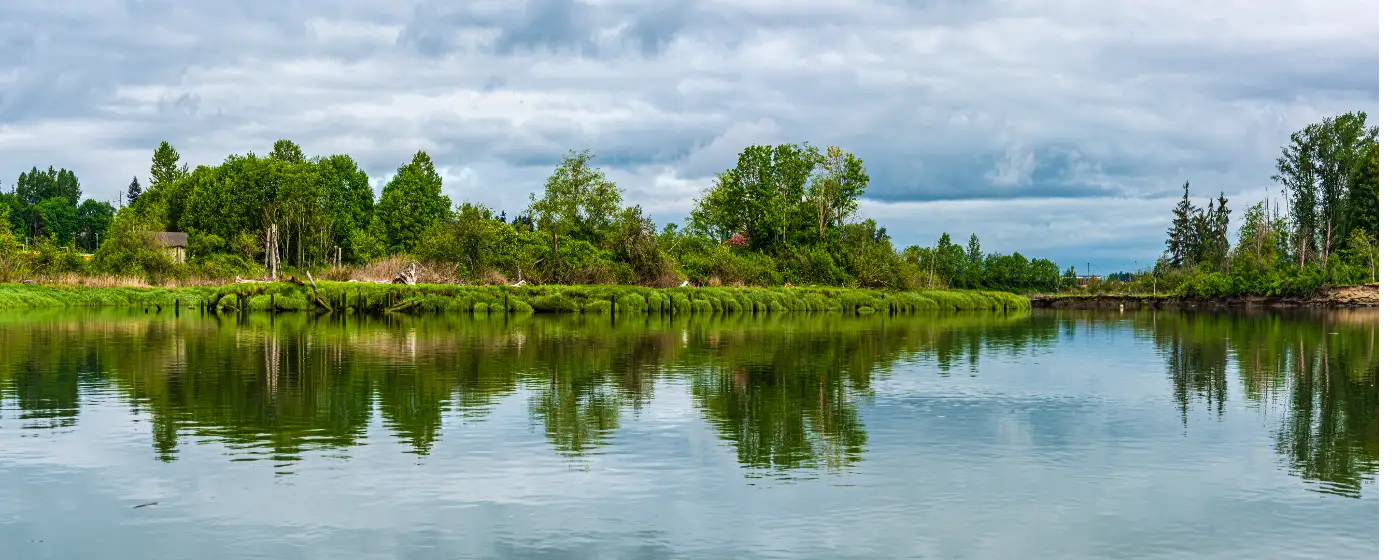
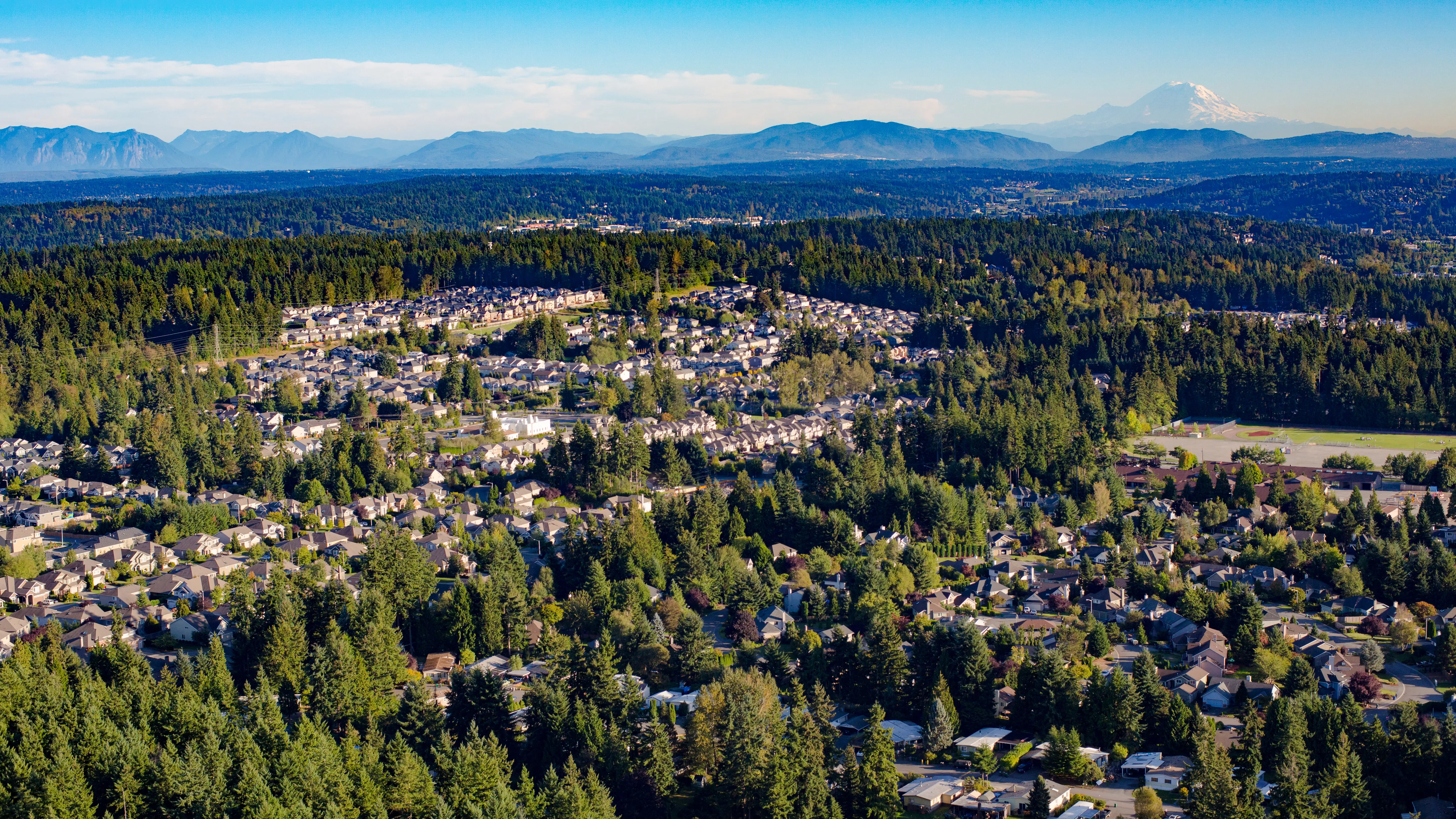
Geographically, Snohomish sits about 25 miles north-northeast of downtown Seattle, perched along the north bank of the Snohomish River where it meets the Pilchuck. It's a small city in the literal sense — 3.6 square miles of incorporated land — surrounded by unincorporated county neighborhoods that most people lump together under the Snohomish name anyway. The Cascades sit on your eastern horizon. Everett is 8 miles west, close enough that the two cities share a job market. The commute to Seattle runs 45 to 70 minutes depending on when you leave, a reality that divides potential buyers sharply between those who can live with it and those who can't.
This guide is built for people who are serious about deciding whether Snohomish is the right fit — not for people looking for a cheerleader. You'll find honest commute math, real neighborhood breakdowns, the verified median sold price (which has moved considerably from what many aggregators still show), and the specific local quirks that only become apparent after you've lived here for six months. Whether you're a family chasing school quality and square footage, a remote worker drawn to the riverfront small-town energy, or a buyer simply priced out of Mill Creek and Lake Stevens, this guide will help you make a clear-eyed call.
Not every buyer is a good match for Snohomish. The city rewards people who want a specific combination of things — historic character, outdoor access, and relative affordability compared to closer-in suburbs — and tends to frustrate buyers who prioritize walkable urban conveniences or short Seattle commutes above everything else.
| Best For | Why |
|---|---|
| Families with school-age children | Snohomish School District carries an A- rating, strong graduation rates, and a tight-knit community culture |
| Remote and hybrid workers | Small-town quality of life without sacrificing proximity to Everett and Seattle when the office calls |
| Outdoor enthusiasts | Lord Hill Regional Park, the Centennial Trail, Flowing Lake, and Snohomish River access are all within minutes |
| History and antique lovers | 175+ antique dealers in a National Register historic district — this is genuinely the Antique Capital of the Northwest |
| Buyers priced out of Lake Stevens or Mill Creek | Snohomish's median sold price runs below many comparable suburban neighbors while offering more character |
| First-time buyers willing to stretch the commute | More value per square foot than most King County alternatives, with a community that supports long-term roots |
First Street on a Saturday morning is the clearest snapshot of daily life here. Antique hunters filter in and out of redbrick storefronts while locals grab coffee at spots they've been going to for years. There's a farmers market energy to it, even when the market isn't running, because the street was built for foot traffic and the buildings haven't been razed for strip malls. It's genuinely walkable within the historic core — and genuinely not walkable once you get into the residential neighborhoods that fan out onto the plateau above the river valley.
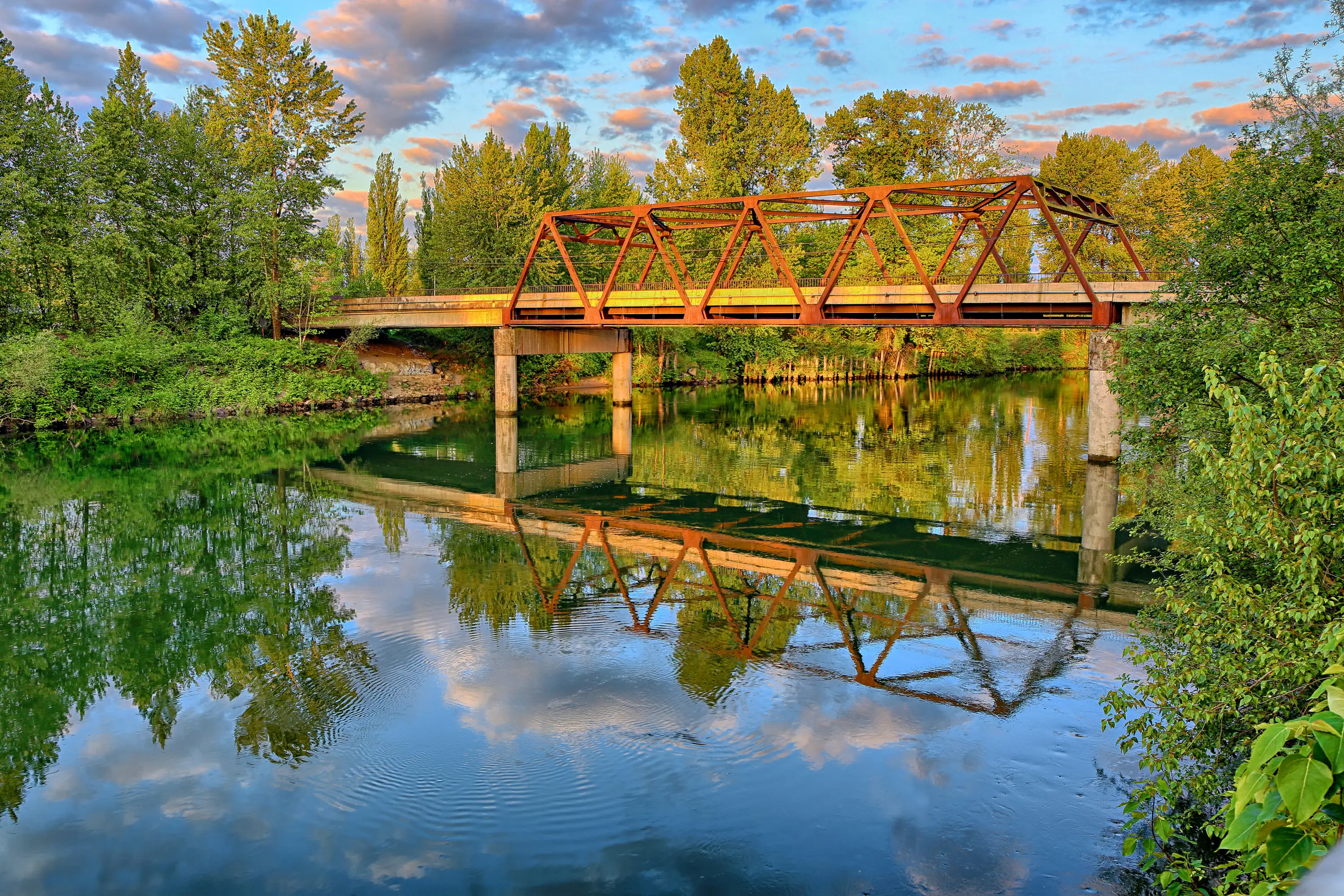
The community of 10,798 people has a median age hovering around 42, which means it skews toward established families and long-term residents rather than the young professional crowd you'd find closer to Seattle. People tend to know their neighbors here. The Tim Noah Thumbnail Theater brings live performances to a town this size that would surprise visitors expecting nothing but antique shops. The Blackman House Museum, the Carnegie Library building, and the old armory turned antique mall give the downtown a density of history you simply don't find in the planned suburbs to the west.
The commute is the single biggest variable to test before committing. Snohomish to Seattle during peak morning hours runs 45 to 70 minutes — and that range is real, not padded. US-2 to US-522 is the most common route; it can move well at 5:45 a.m. and become genuinely painful by 7:30. Getting to Everett takes 15 to 20 minutes and covers about 8 miles, which is manageable for the large share of residents working along the Boeing-Paine Field-Providence corridor. If your job is downtown Seattle five days a week, that commute will wear on you. If you're hybrid, or working in Everett, it rarely comes up as a complaint.
The human friction point most new residents hit around month six isn't the commute — it's errands. The historic district is lovely, but for everyday retail you're heading to Everett or Monroe. There's no Target inside city limits, no large-format grocery experience that doesn't involve a drive. Buyers who factor this in before they buy tend to be happy; buyers who expect a more self-contained suburban lifestyle sometimes feel the friction more acutely than they anticipated.
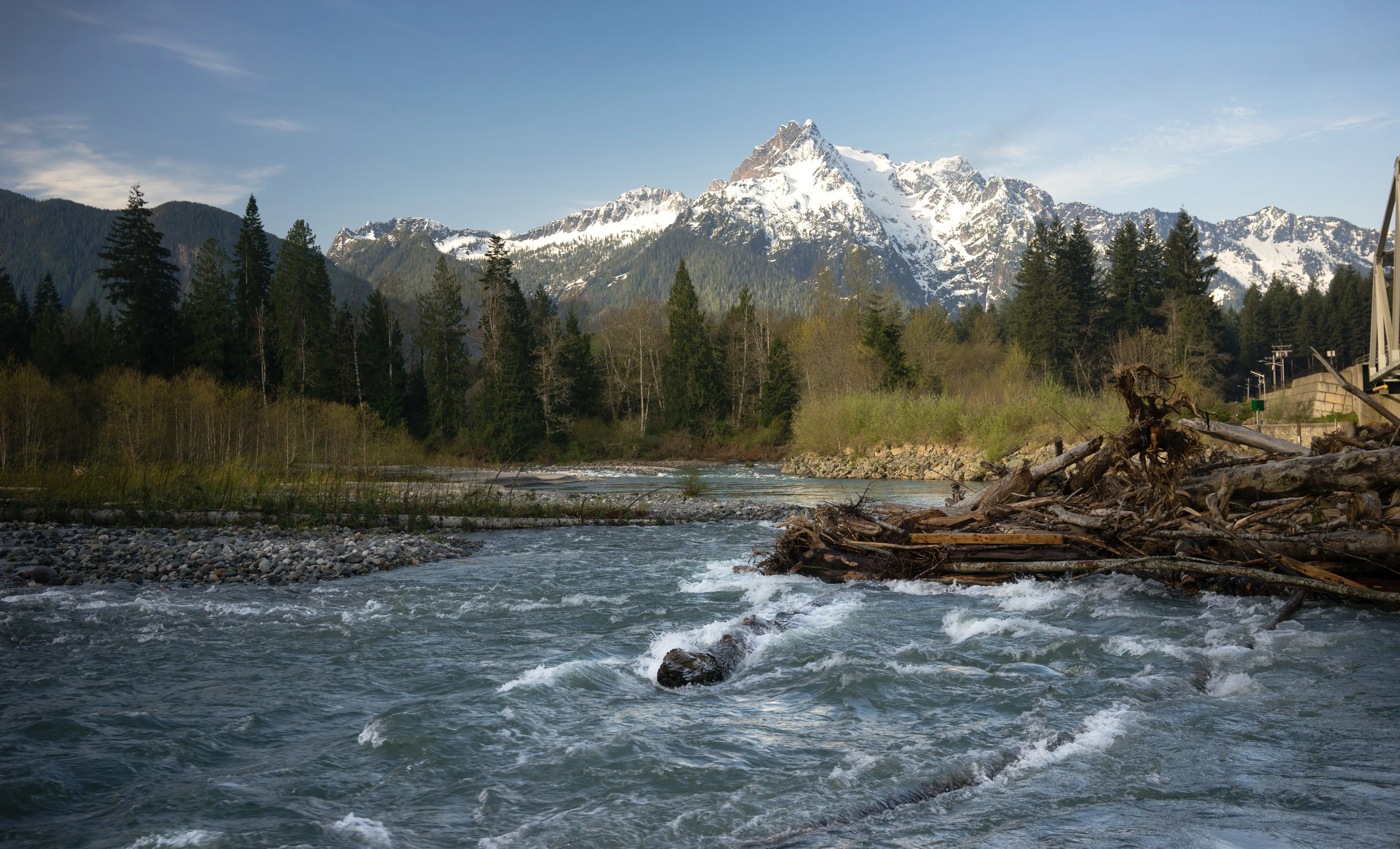
The outdoor access here is unusually good for a city this size. Lord Hill Regional Park alone covers 1,463 acres with more than 30 miles of designated trails open to hikers, mountain bikers, and equestrians. The Pipeline Trail ridge climbs to views of both the Cascades and the Olympics on clear days. The Centennial Trail — a paved, 30-plus-mile path along a former railroad grade — has a trailhead at Maple Avenue and First Street, meaning you can roll out of downtown on a bike without loading it in a car first. Flowing Lake Park adds swimming, fishing, and camping within an easy drive. For families with kids who are constantly outside, this is a meaningful quality-of-life factor that doesn't show up in the price comparison spreadsheets.
The school district is a legitimate draw, not just a selling point realtors repeat. The Snohomish School District carries an A- rating across its schools and has a community reputation built over decades, not manufactured by recent test score fluctuations. Families with school-age children consistently rank the district among their top reasons for staying even when they could afford to move closer to the city.
The historic character of downtown creates a lifestyle that's hard to replicate. More than 175 antique dealers operate within the 26-block National Register historic district — Star Center Antique Mall alone represents over 200 individual dealers — but the district isn't just for antiquers. The events calendar, the Tim Noah Thumbnail Theater, the annual historic house tours organized around the Blackman House Museum, and the street-level energy on weekends give Snohomish a cultural density that feels earned rather than curated.
The relative value compared to closer-in King County suburbs is still real, even after the market run-up. The verified median sold price in Snohomish reached $750,000 as of May 2026 — up 6.7% year-over-year — but that figure still buys more square footage, more land, and more architectural character than equivalent money delivers in Kirkland, Bothell, or even much of Mill Creek. For buyers who've been watching King County listings disappear above their budget, Snohomish represents genuine purchasing power, not a consolation prize.
Looking to buy in Estimate your payment.
Enter your numbers to see an estimated monthly mortgage payment.
Estimate only. Excludes HOA fees and mortgage insurance.
The commute math is worth laying out bluntly. Snohomish does not have light rail, and it isn't getting it in the near term. The nearest Link light rail access is in Everett or Lynnwood, which requires driving to a station — an extra step that dilutes the transit convenience considerably. If your household has one or two people commuting to Seattle regularly, budget the true round-trip cost in time and decide whether the lifestyle tradeoffs justify it. Most buyers who thrive here are either working north of Seattle, working remotely most days, or have consciously decided that the evening return home to a quiet river town is worth the drive.
Everyday conveniences require a drive. This isn't a walkable suburb in the Mill Creek or Bothell sense — it's a small historic town where you can walk to breakfast, a gallery, and an antique shop, but not to a pharmacy or a big-box grocery. Families with young kids and busy schedules often name errand logistics as the thing they underestimated most. Everett's retail corridor on Highway 2 and the Monroe options are both under 20 minutes, which is manageable — but it does mean that the car is always part of the equation.
Why some people leave: The most common exit stories follow a pattern. Remote work ends, the Seattle commute becomes daily, and the 45-to-70-minute reality stops working. Or families with teenagers find that Snohomish's small-town social scene, which feels cozy at first, starts to feel limiting for older kids who want more activity options. A smaller number of buyers leave because they expected a more developed suburban infrastructure — coffee chains, a walkable commercial strip near their neighborhood — and Snohomish's character doesn't quite deliver that even as the city grows.
Property taxes at 0.93% represent the highest effective rate in Snohomish County. On the median sold price of $750,000, that works out to roughly $6,975 annually — meaningful for buyers already stretching to meet a down payment. It's not a dealbreaker, but it's worth factoring into the full monthly cost rather than discovering it at closing.
The blocks immediately surrounding First Street represent the densest, most walkable concentration of daily life in the city. Victorian-era commercial buildings house antique dealers, small restaurants, and local services within a few blocks of the Snohomish River waterfront. Housing here skews toward historic single-family homes with character details that new construction simply doesn't replicate — buyers pay a premium for the location and the architecture. The catch is that downtown-adjacent streets are busier on weekends with visitors than residents sometimes expect, and parking becomes an actual consideration.
Best for: Buyers who want genuine walkability and are willing to live with tourist-season foot traffic in exchange for living inside one of the most architecturally intact historic districts in Washington State.
Technically overlapping with downtown but extending further into residential blocks, the historic district is where you find homes bearing plaques with their construction year and the names of original occupants — a detail that captures what distinguishes Snohomish from every other Snohomish County suburb. The houses are older, the lots are generally smaller than what you'd find in outlying neighborhoods, and the maintenance requirements of historic construction are real. Buyers who understand what they're buying into tend to stay for decades; buyers who underestimate the upkeep sometimes sell faster than they planned.
Best for: History-minded buyers who want to own a piece of a genuinely preserved community and are prepared for the stewardship that comes with it.
Sitting along the eastern edge of the city near the Pilchuck River confluence, this neighborhood offers a mix of residential stock ranging from older established homes to more recent infill. It's quieter than the downtown core and generally more accessible for buyers working east toward Monroe. The Pilchuck River access and the proximity to the Centennial Trail make it appealing for outdoor-focused households. Prices track close to the city-wide median, with variation depending on lot size and vintage.
Best for: Buyers who want proximity to trail access and the outdoor corridor without paying the downtown-adjacent premium.
Northwest Snohomish sits on the plateau above the river valley and offers a more conventional suburban layout with larger lots than the historic core. The neighborhood draws families who want Snohomish's school district and small-town identity without the older housing stock of the downtown blocks. Home sizes run larger here, and the trade-off compared to the historic district is character for square footage — a straightforward swap that suits households prioritizing space over architecture.
Best for: Families with children who want more square footage and newer construction while staying inside Snohomish city limits and the school district.
The Highlands area sits on elevated ground above the river valley and offers some of the longer Cascade views that make Snohomish's geography distinctive. Homes here tend to be well-maintained single-family properties on larger lots, attracting buyers who have moved through a previous home and are looking for more space and a quieter setting. Prices in this area typically run at or above the city-wide median depending on the view corridor and lot configuration.
Best for: Established buyers looking for quieter residential streets, larger lots, and the occasional mountain view within easy reach of Snohomish's downtown.
Cathcart is an unincorporated community that most people fold into the broader Snohomish conversation, sitting to the southeast of the city limits. It offers more rural character — larger parcels, more tree cover, and a pace that feels a step removed from even Snohomish's unhurried downtown. Buyers here typically prioritize land and privacy; the catch is that you're further from Snohomish's school and community infrastructure, and the lack of city services means septic systems and well water are common.
Best for: Buyers who want rural land characteristics and are comfortable with the tradeoffs of unincorporated living, including longer drives for everyday needs.
Dutch Hill represents one of Snohomish's more established suburban neighborhoods, with a mix of housing styles that reflects growth across multiple decades. It's primarily residential and appeals to buyers who want the Snohomish address and school district without the price premium of the historic core. The neighborhood is generally accessible to Highway 2 commuters heading toward Monroe or Everett.
Best for: Commuters who want a practical, established residential neighborhood and aren't placing a premium on walkability or historic character.
The Lord Hill area is defined by its proximity to Lord Hill Regional Park — the 1,463-acre preserve that gives this part of Snohomish County its most dramatic trail network. Properties here tend to sit on larger lots with tree cover, and the neighborhood draws buyers who have specifically sought out the park as part of their daily life. It's a longer drive to downtown Snohomish and to Everett's commercial corridor, making it best suited to buyers whose priorities are genuinely outdoor-first.
Best for: Outdoor-focused buyers who want acreage-adjacent living and treat the Lord Hill trail network as a primary neighborhood amenity rather than an occasional destination.
| City | Best For | Home Price (Mid-2026) | Commute to Seattle | Vibe |
|---|---|---|---|---|
| Snohomish | Historic character, outdoor access, A- schools | $750,000 median sold | 45–70 min peak | Small-town historic with suburban fringe |
| Monroe | Affordability, rural character, more land | Lower, varies by area | 50–75 min peak | Agricultural small-town, less polished downtown |
| Lake Stevens | Newer construction, lake access, growing amenities | Mid-to-upper $700s | 50–70 min peak | Planned suburban growth, fast-expanding |
| Mill Creek | Urban amenities, walkability, Everett proximity | Upper $700s–$800s | 35–55 min peak | Polished planned suburb, more chain retail |
| Everett | Price range, job proximity, transit options | Mid $500s–$600s | 30–45 min peak | Urban working city, diverse, more gritty |
| Maltby | Rural lifestyle, privacy, large lots | Varies widely | 40–60 min peak | Unincorporated semi-rural, limited services |
| Category | Detail |
|---|---|
| Population | ~10,798 (2026 estimate) |
| Median Sold Price | $750,000 (May 2026, Redfin/NWMLS) |
| Property Tax Rate | 0.93% (highest in Snohomish County) |
| Median Household Income | $87,250 |
| Commute to Seattle | 45–70 minutes peak (US-2 / I-5 via Everett) |
| School District | Snohomish School District (A- rating) |
| Violent Crime Rate | 2.6 per 1,000 residents |
| Property Crime Rate | 16 per 1,000 residents |
| City Size | 3.6 square miles |
| Founded | 1859 (incorporated 1890) |
| Key Outdoor Assets | Lord Hill Regional Park, Centennial Trail, Flowing Lake Park |
The antique culture is real and participatory, not just decorative. Snohomish's identity as the Antique Capital of the Northwest isn't a tourism board slogan that locals privately roll their eyes at — residents genuinely engage with it. The annual historic house tours organized around the Blackman House Museum draw serious crowds and have been a community tradition for years. Star Center Antique Mall hosts hundreds of individual dealers inside the old armory building at Second Street and Union Avenue, and the activity level there on weekend afternoons is a reliable indicator of whether you'll enjoy living near downtown or find the tourist traffic draining.
The Centennial Trail is a legitimate daily-use amenity. Most suburban trail systems require a drive to access. In Snohomish, the Centennial Trail picks up at Maple Avenue and First Street — walkable from most of the historic district. The 30-plus paved miles running through the Snohomish River Valley see cyclists, runners, and families on weekend mornings in a way that becomes a genuine social fabric of the neighborhood rather than just a recreational checkbox.
Funko started in a Snohomish garage. The pop-culture collectibles company that grew into a nationally recognized brand began as a home-based business in Snohomish. Locals mention it with the specific pride of a small town that knows it produced something — not a boast, more of a knowing aside. It doesn't change the housing market, but it tells you something about the entrepreneurial, idiosyncratic spirit that runs through the community.
What I would not do if moving to Snohomish: I would not buy in the outlying unincorporated areas — Cathcart, Maltby, the rural parcels off Highway 9 — without driving the full commute to your workplace at 7:15 a.m. on a Tuesday. The extra distance compounds the already meaningful Seattle commute time in ways that don't always register on a weekend test drive. Buyers who buy rural because they love the land, then discover the full commute reality, are among the more common regret stories in this market.
Local Expert Takeaway: If you're choosing between Snohomish and Lake Stevens, the decision usually comes down to character versus convenience — Lake Stevens has more chain retail and newer infrastructure; Snohomish has a downtown worth actually walking. Buyers who prioritize the school district, the Centennial Trail access, and the First Street energy tend to stay long-term. Those who need more suburban self-sufficiency in their immediate neighborhood often find Monroe or Mill Creek fits them better. The market is moving fast enough in 2026 that serious buyers should have pre-approval in hand before scheduling their second showing — the homes worth having don't wait.
✅ Snohomish delivers genuine historic character, A- schools, and trail access that no other Snohomish County suburb can replicate at the same price point — the $750,000 median sold price still buys meaningful value compared to King County alternatives.
⚠️ The Seattle commute runs 45–70 minutes at peak and there is no light rail access inside city limits — hybrid and Everett-area workers adapt; daily Seattle commuters often don't.
📍 The historic downtown is the city's core strength, but everyday retail requires a drive to Everett or Monroe — factor errand logistics into your neighborhood decision, not just the home itself.
Is Snohomish a good place to raise a family?
Yes — Snohomish is consistently one of the stronger family communities in Snohomish County. The school district carries an A- rating, Lord Hill Regional Park and the Centennial Trail provide genuine outdoor infrastructure for kids, and the community size creates a cohesion that larger suburbs don't naturally develop. Families with school-age children frequently cite the district and the small-town social environment as the primary reasons they stay.
What is the crime rate in Snohomish?
Snohomish reports a violent crime rate of approximately 2.6 per 1,000 residents — meaningfully lower than the national average and consistent with the profile of a small, historically stable community. Property crime runs around 16 per 1,000, which is moderate and largely reflects opportunistic incidents rather than the patterns associated with higher-density urban centers. Most residents describe day-to-day life as safe and note that the community's size makes unusual activity visible relatively quickly.
How does Snohomish compare to Monroe or Lake Stevens for buyers on a similar budget?
Monroe offers more affordability and more rural character, but its downtown has less energy and the schools run at a different rating. Lake Stevens has grown faster and offers newer construction and lake access, but its suburban infrastructure feels more generic compared to Snohomish's historic district. Snohomish consistently wins on character and school reputation; Monroe wins on price; Lake Stevens wins on amenity development pace. The right answer depends almost entirely on whether you're buying a lifestyle or a commute solution.
Explore the full Snohomish series: The Ultimate Snohomish Relocation Guide · Is Snohomish Safe? · Cost of Living in Snohomish · Best Neighborhoods in Snohomish · Snohomish Schools & Family Life · Snohomish Youth Sports · Snohomish Parks & Recreation · Retiring in Snohomish · 1031 Tax-Deferred Exchange in Snohomish · Snohomish First-Time Homebuyers Guide · Moving to Snohomish from California
Tell us what you need help with and we'll connect you with local resources.

About the Author
Todd Davidson is the founder of Living in Oregon and Living in Washington, where he publishes in-depth city guides, neighborhood resources, and local market insights covering more than 180 communities across the Pacific Northwest. While his background is in home financing and real estate, he created these digital platforms to help families research and compare regions before making a move.