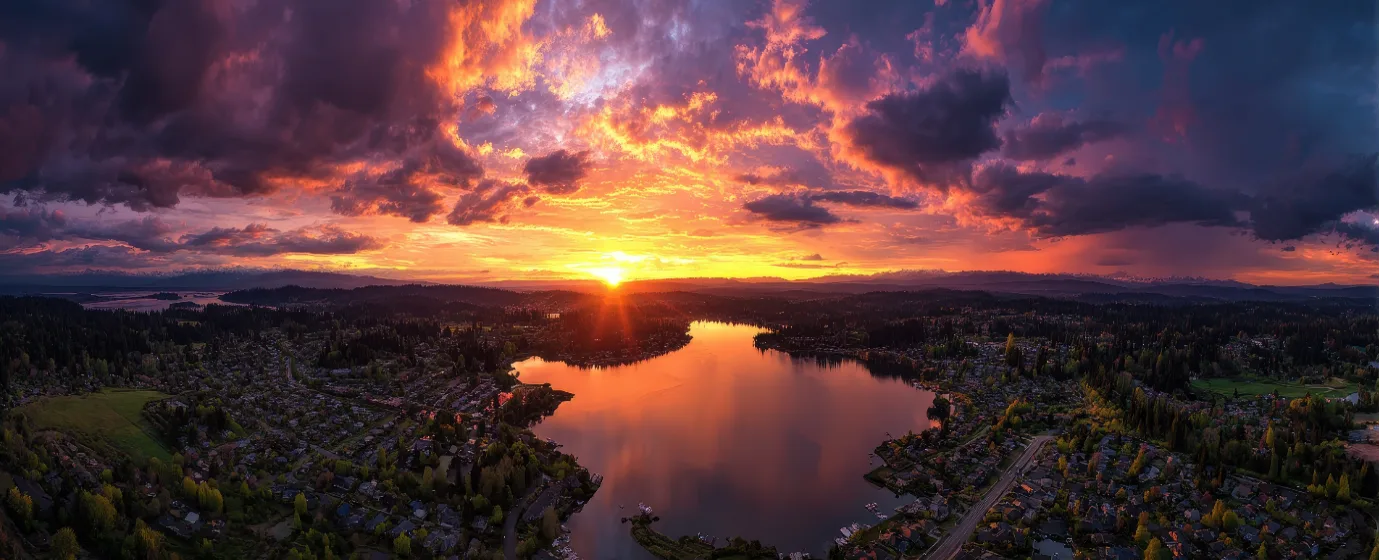
Puget Sound · Washington
Where you land within Lake Stevens shapes your daily life more than the city name on your mailing address. The difference between buying on the waterfront versus an inland pocket like Machias isn't just price — it's commute patterns, lot size, school-zone access, and whether your weekends feel like a lake town or a forested rural retreat. Lake Stevens covers roughly nine square miles, but those nine square miles contain genuine lifestyle variation that a single Zillow search won't reveal.
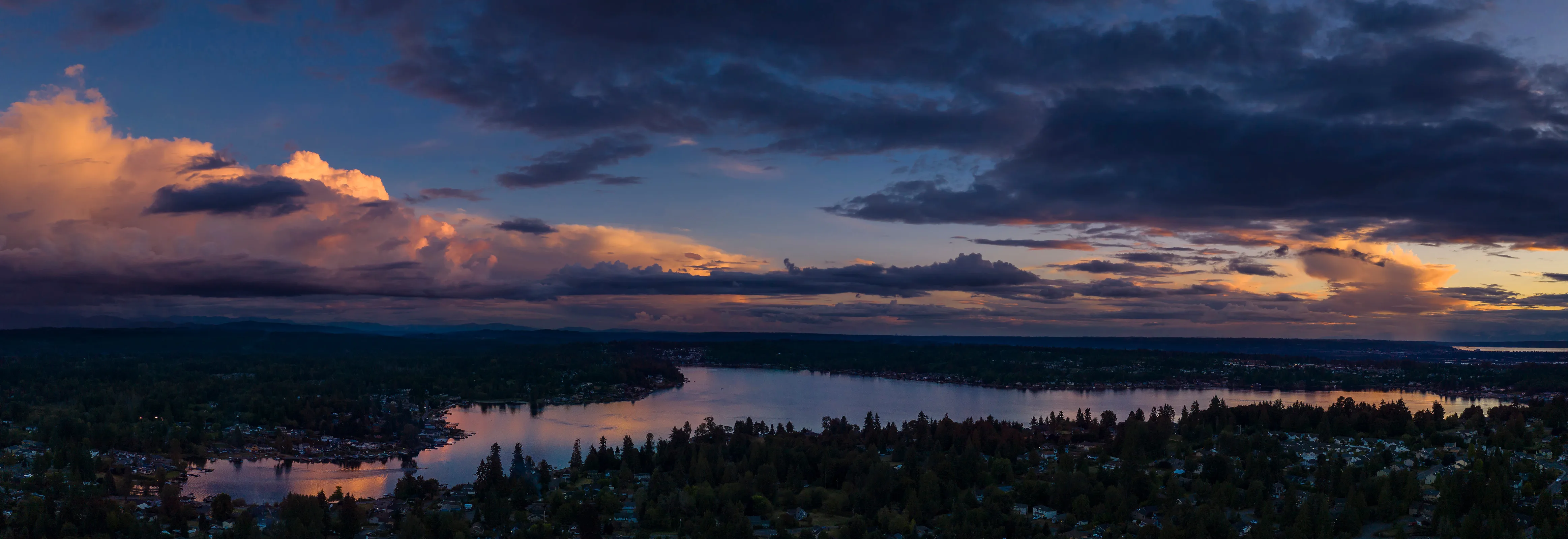
The city's central geographic divide runs roughly north-to-south along the lakeshore itself. Neighborhoods hugging the 1,040-acre lake carry a premium most buyers don't fully anticipate until they see a private dock listing at $1.2 million alongside inland ranch-style homes at $600,000. Farther out, neighborhoods like Bunk Foss and Lochsloy shift the character entirely — quieter, more acreage-oriented, with that Pacific Northwest rural edge that draws buyers priced out of Mill Creek and Bothell.
This guide breaks down the distinct neighborhoods inside Lake Stevens, matches buyer types to the areas where they're most likely to be happy, and flags the mistakes relocating buyers consistently make. Whether you're comparing homes near the lake or trying to figure out whether Soper Hill or Cavelero Hill fits your budget, the distinctions here will save you from months of the wrong open houses.
| Neighborhood | Best For | Price Range | Vibe |
|---|---|---|---|
| Lake Stevens Waterfront | Luxury lakefront living | $1M–$2M+ | Upscale, resort-adjacent |
| North Lake Stevens | Larger lots, quieter pace | $600K–$900K | Established, spacious |
| South Lake Stevens | Value-seeking buyers | $580K–$720K | Rural-edge suburban |
| West Lake Stevens | Mixed budgets, variety | $575K–$700K | Eclectic, accessible |
| Soper Hill | Elevated views, newer builds | $700K–$900K+ | Premium suburban |
| Whiskey Ridge | Luxury, panoramic views | $750K–$950K+ | Upscale, view-forward |
| Bunk Foss | Families, character homes | $630K–$800K | Outdoorsy, established |
| Machias | Rural space, investment value | $750K–$850K | Pastoral, low-density |
| Lochsloy | Rural families, acreage | $600K–$780K | Tight-knit, forested |
| Bayview | Territorial and water views | $700K–$900K | Luxury-adjacent, scenic |
| Buyer Type | Best Neighborhood | Why |
|---|---|---|
| First-time buyer | West Lake Stevens | Most diverse price range; $575K entry point with room to grow |
| Luxury buyer | Lake Stevens Waterfront or Whiskey Ridge | Private docks, panoramic views, prestige addresses |
| Walkability seeker | South Lake Stevens (near core) | Closest proximity to downtown amenities and lake access points |
| Families with kids | Bunk Foss | Strong school proximity, mix of new construction and character homes |
| Commuters | West Lake Stevens | Best access to US-2 and SR-9 without backtracking |
| Large lot buyers | Machias or Lochsloy | Half-acre to multi-acre lots; genuine rural spacing |
| Renters | West or South Lake Stevens | Highest rental inventory concentration in the city |
Lakefront property here operates in a category completely separate from the rest of the city. Homes with private docks along the 1,040-acre lake command $1 million to $2 million or more, and the supply is genuinely constrained — only a handful of waterfront listings are active at any given time. The upside is unmatched: direct lake access, sunset views across the water, and a resort-adjacent quality of life that buyers from Bellevue and Kirkland increasingly find appealing at a fraction of the price per square foot. The downside is equally real — summer boat traffic makes the lake considerably noisier than buyers who tour in winter expect, and the narrow access roads near the shoreline can feel congested on warm weekends.
Best for: Buyers prioritizing lifestyle and lake access above all else, with budgets starting near $1M.
The north side carries a quieter, more established character — homes built across five decades sit on larger lots, and the neighborhood reads as genuinely spacious in a way the newer subdivisions elsewhere don't. Prices range from roughly $600,000 for single-story ranch-style homes farther from the water to $900,000 for larger contemporary builds closer to the lake's northern edge. Local agents consistently note that this corridor runs slightly more expensive than the city's inland pockets, a premium buyers accept in exchange for the lot sizes and proximity to community hubs along the north shore. The catch is that the older housing stock means more deferred maintenance surprises — a pre-inspection is non-negotiable in this neighborhood.
Best for: Buyers who want established surroundings, generous lot sizes, and proximity to north-shore lake access without paying full waterfront prices.
South Lake Stevens sits below 20th Street SE and has a noticeably more rural-edge feel — larger lots, fewer sidewalks, and a slower pace than the subdivisions closer to the city core. The median sold price here ran around $635,000 in early 2026, though that figure reflects a market that's been softening — days on market have stretched to roughly 60 days, giving buyers meaningful negotiating room that doesn't exist in hotter corridors. For first-time buyers or those stretching into homeownership from a rental, this is one of the more accessible entry points in the city. The compromise is practical: getting anywhere requires a car, and the drive to SR-9 adds a few minutes that compound over a five-day commute week.
Best for: Buyers wanting more land and a lower price point who are comfortable with minimal walkability and a car-dependent lifestyle.
The west side earns its reputation as the city's most eclectic quadrant — a genuine mix of price points, housing styles, and lot configurations that gives buyers real options regardless of budget. Median sold prices in early 2026 hovered around $620,000, and the volume of transactions here is consistently higher than other quadrants, which means more inventory to choose from and faster days-on-market data to work with. Access to both US-2 and SR-9 makes this the most commuter-logical neighborhood for buyers heading toward Everett, Marysville, or eventually Seattle. The variety cuts both ways, though: you may find yourself between a well-maintained 2019 build and a 1980s rambler that hasn't been updated, so neighborhood uniformity isn't something to expect here.
Best for: Commuters, first-time buyers, and anyone who wants maximum inventory options and the most direct freeway access in the city.
Bunk Foss sits east of the city core and draws a crowd that prioritizes outdoor access and community feel over proximity to retail. The housing stock blends older character homes with newer construction, and the neighborhood consistently generates strong listing volume — meaning homes here actually trade, rather than sitting. Buyers with school-age children gravitate here specifically for school proximity and the neighborhood's reputation for being family-oriented without feeling aggressively suburban. Homes typically range from $630,000 to $800,000. The honest trade-off is distance — Bunk Foss is one of the farther pockets from I-405 and US-2, which adds real time to any commute that isn't local.
Best for: Families with kids who want a close-knit neighborhood feel, natural surroundings, and a mix of housing ages and styles.
Machias reads more like a rural community that happened to get absorbed into the Lake Stevens orbit than a traditional subdivision neighborhood. Lots here are spacious — often half an acre or more — and the pace genuinely reflects that pastoral character. The Lake Stevens Farms area within Machias showed a median sold price around $812,000 in mid-2025, with average days on market stretching toward 100 days, which signals a slower-moving segment where patience pays. Buyers who want acreage, privacy, and a genuine buffer from suburban density find Machias compelling; buyers expecting walkable access to anything will be frustrated within a month.
Best for: Large-lot buyers, remote workers, and households that want genuine rural character within the Lake Stevens school district.
Soper Hill consistently appears among the most-searched Lake Stevens neighborhoods on major real estate platforms, and the reasons aren't subtle — elevated terrain, newer construction, and a price tier that still undercuts comparable Snohomish or Monroe neighborhoods with similar finishes. Expect to see homes priced in the $700,000 to $900,000 range here, with some luxury listings stretching above that depending on lot size and view corridor. The neighborhood attracts buyers who've done the comparison math and realized that the same $800,000 that buys a modest home in Bothell goes farther here. The honest caveat: Soper Hill's roads narrow in spots, and getting out during morning rush toward Everett can be more of a bottleneck than buyers who toured on a Sunday afternoon anticipate.
Best for: Move-up buyers seeking newer construction, elevated settings, and strong resale fundamentals without full waterfront pricing.
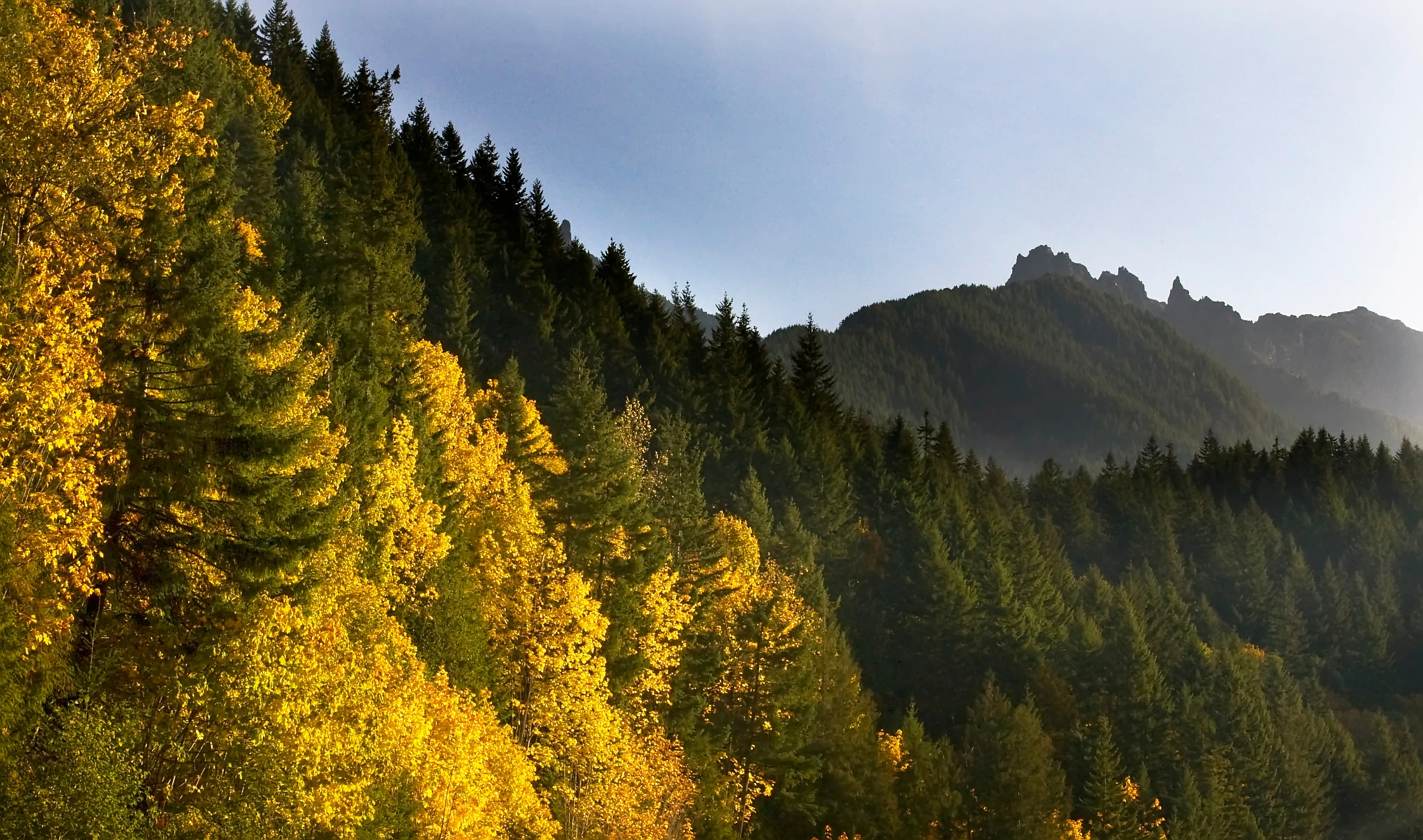
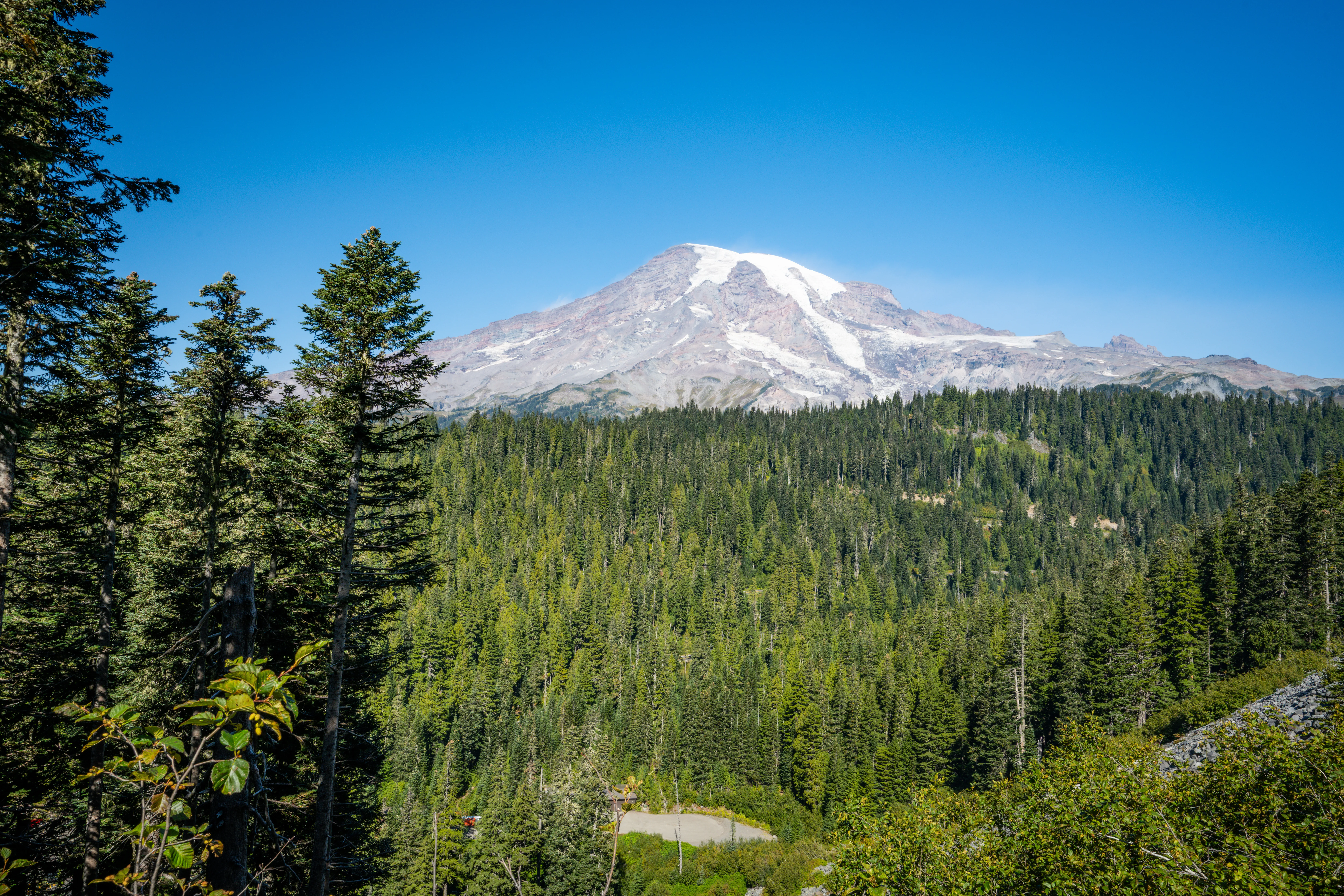
Whiskey Ridge delivers on views in a way that relatively few neighborhoods in Snohomish County can match at this price tier. Homes here sit on elevated terrain with territorial outlooks that include the Cascades on clear days, and the luxury positioning is reflected in prices that typically run $750,000 to $950,000 and above for the right parcel. New construction activity has kept Whiskey Ridge relevant for buyers who want modern finishes alongside the scenery. The downside most buyers discover post-purchase is the same one that affects any ridge neighborhood: the drive down and back is pleasant in summer and noticeably less so when ice or snow hits in December and January — a reality that's easy to dismiss during a July showing.
Best for: Luxury buyers prioritizing views and newer construction who've factored in the seasonal access realities of elevated terrain.
Looking to buy in Lake Stevens? Estimate your payment.
Enter your numbers to see an estimated monthly mortgage payment.
Estimate only. Excludes HOA fees and mortgage insurance.
Treating SR-9 and US-2 access as interchangeable. The difference between a home that backs up to SR-9 south of 20th Street SE and one that connects cleanly to US-2 near the west side is easily 10 to 15 minutes on a morning commute to Everett. Buyers who assume the city is small enough that access doesn't vary meaningfully often discover the bottleneck after they've already closed.
Underestimating summer lake traffic near Davies Beach Park and the Marina. Neighborhoods within a half-mile of the main lake access points — particularly around Lake Stevens Marina and Davies Beach Park — experience a summer-weekend congestion pattern that doesn't exist from October through May. Buyers who tour in winter and don't account for this tend to be surprised by the noise and parking overflow near their property from June through August.
Confusing new construction listing prices with the actual city median. New construction in Lake Stevens is currently listing around $750,000 at the median — meaningfully above the $687,000 citywide median. Buyers who start their search on new-construction listings and then try to negotiate resale homes as though the pricing is equivalent misread the market. Resale inventory, especially in South and West Lake Stevens, often represents a genuine discount relative to new builds of comparable square footage.
Ignoring school boundary verification in favor of district-wide reputation. The Lake Stevens School District earns solid marks as a whole, but which elementary school a home feeds into can vary by a few blocks in neighborhoods like Bunk Foss and Machias. Buyers with school-age children who assume that any Lake Stevens address produces the same school assignment learn otherwise — sometimes after closing.
| Area | Ideal For | Typical Rent Range | Trade-off |
|---|---|---|---|
| West Lake Stevens | Commuters, singles, couples | $2,000–$2,600/mo (1BR–2BR) | Less character, more generic inventory |
| South Lake Stevens | Budget-conscious renters | $1,900–$2,400/mo (2BR–3BR) | Car-dependent; minimal walkability |
| Near Lake Stevens Core | Young professionals, couples | $2,200–$2,800/mo | Limited inventory; competes with homebuyers |
| Bunk Foss area | Families with kids | $2,400–$3,000/mo (3BR) | Fewer rental listings; higher demand |
| North Lake Stevens | Renters wanting space | $2,300–$2,900/mo | Older housing stock in rental inventory |
The rental market in Lake Stevens skews heavily toward single-family homes rather than apartment complexes — this is not a city with a dense rental apartment core. Most available rentals are houses or duplexes scattered across the city's residential fabric, which means rental availability is genuinely sporadic rather than reliably stocked. Renters should expect to compete for 3-bedroom homes in the Bunk Foss and north-side corridors specifically, where owner-occupancy rates are high and landlord turnover is infrequent. The West and South Lake Stevens areas offer the most consistent rental inventory, though "consistent" in this market means a few dozen active listings citywide at any given time — not hundreds.
Local Expert Takeaway: The single most important geographic decision in Lake Stevens is whether you're buying into the lake-adjacent premium or the inland value tier — and you need to make that call before you start scheduling showings. If lakefront or north-shore proximity is your goal, budget for $900,000 and above and move quickly when something lists. If you're optimizing for school access, lot size, and commute logistics, the West Lake Stevens and Bunk Foss corridors offer the best balance of price and livability at the $650,000–$800,000 level. Don't let a Soper Hill view listing distract you from a Bunk Foss resale that checks every practical box — the view is nice, but the commute math matters more after month two.
Is Lake Stevens a good place to buy a home for families?
Lake Stevens is genuinely family-friendly across most of its neighborhoods, with the Lake Stevens School District earning an A- rating and neighborhoods like Bunk Foss and Lochsloy offering the kind of community character that families with school-age children tend to seek out. The $687,000 median puts homeownership within reach for households near the city's $122,336 median income, particularly compared to the Bothell and Mill Creek markets just to the south.
Which neighborhood in Lake Stevens has the best value right now?
South Lake Stevens and West Lake Stevens consistently represent the strongest value relative to the rest of the city, with median sold prices running $620,000–$635,000 — meaningfully below the citywide figure. South Lake Stevens in particular has seen days-on-market stretch to around 60 days, giving buyers more negotiating leverage than they'd find in faster-moving corridors like Soper Hill or Bunk Foss.
How do Lake Stevens neighborhoods compare to nearby Marysville or Everett?
Lake Stevens neighborhoods generally price above comparable Marysville inventory but below Mill Creek or Snohomish for equivalent square footage and lot size. The difference buyers are paying for in Lake Stevens is primarily the lake lifestyle, the school district reputation, and the city's faster growth trajectory — all three of which have historically supported stronger resale values than Marysville's more suburban grid.
Explore the full Lake Stevens series: The Ultimate Lake Stevens Relocation Guide · Is Lake Stevens Safe? · Cost of Living in Lake Stevens · Best Neighborhoods in Lake Stevens · Lake Stevens Schools & Family Life · Lake Stevens Youth Sports · Lake Stevens Parks & Recreation · Retiring in Lake Stevens · 1031 Tax-Deferred Exchange in Lake Stevens · Lake Stevens First-Time Homebuyers Guide · Moving to Lake Stevens from California
Tell us what you need help with and we'll connect you with local resources.

About the Author
Todd Davidson is the founder of Living in Oregon and Living in Washington, where he publishes in-depth city guides, neighborhood resources, and local market insights covering more than 180 communities across the Pacific Northwest. While his background is in home financing and real estate, he created these digital platforms to help families research and compare regions before making a move.