
Olympic Peninsula · Washington
Maybe you've been watching the Pacific Northwest housing market swallow your savings dream by dream. Maybe someone mentioned Port Angeles as an alternative — a real city on the water, surrounded by old-growth forest, with home prices that still leave room in the budget for an actual life. Maybe you visited once, walked down to the pier, looked north across the Strait of Juan de Fuca toward the faint silhouette of Vancouver Island, and thought: I could live here. The central tension in Port Angeles isn't whether it's beautiful — it obviously is. The tension is what daily life actually costs you in convenience, commute, and connection to the larger world, because this city trades some of those things directly for the lifestyle it delivers.
Port Angeles sits on the northern edge of the Olympic Peninsula, sheltered from the full force of western Washington's rainfall by the Olympic Mountains to the south. That rain shadow effect is real — the city gets measurably less precipitation than Seattle or even nearby Forks. What you get instead is a working harbor town with a surprisingly deep commercial core, a genuine arts scene anchored by Field Arts & Events Hall, and immediate access to Olympic National Park from practically any neighborhood in the city. The Strait of Juan de Fuca defines the northern horizon and the city's entire identity. Victoria, British Columbia is only about 17 miles across the water, and the Black Ball Ferry MV Coho makes that connection a real option, not just a scenic backdrop.
This guide is built for the buyer who's done the preliminary math and now wants the honest details: which neighborhoods suit which lifestyles, what commuting to Seattle actually involves, why people stay, why some people eventually leave, and how to read Port Angeles correctly before making an offer. By the end, you'll know whether this city fits your specific life — or whether the trade-offs would wear on you within two years.
Not every city works for every buyer. Port Angeles rewards specific lifestyles and frustrates others. Use this as your first filter before going deeper.
| Best For | Why |
|---|---|
| Outdoor enthusiasts | Hurricane Ridge, Olympic National Park, and the Olympic Discovery Trail are essentially in your backyard — this is the primary draw for many residents |
| Remote workers | Fiber internet availability has improved significantly; lower home prices than Seattle metro offset any income adjustment; the lifestyle trade is favorable if you can work from home |
| Retirees | Olympic Medical Center provides strong regional healthcare, median age skews older at 42.6, and the pace of life suits those exiting the commuter grind |
| First-time buyers | A $433,000 median sold price is substantially more accessible than anything in the Seattle-Tacoma corridor; starter homes exist in the sub-$350,000 range |
| Families with school-age children | Port Angeles School District covers the full K–12 range with Peninsula College nearby for dual enrollment; outdoor-based family life is immediately available |
| Victoria/BC-connected professionals | The Coho Ferry makes cross-border work or lifestyle connections feasible in a way no other Washington city offers |
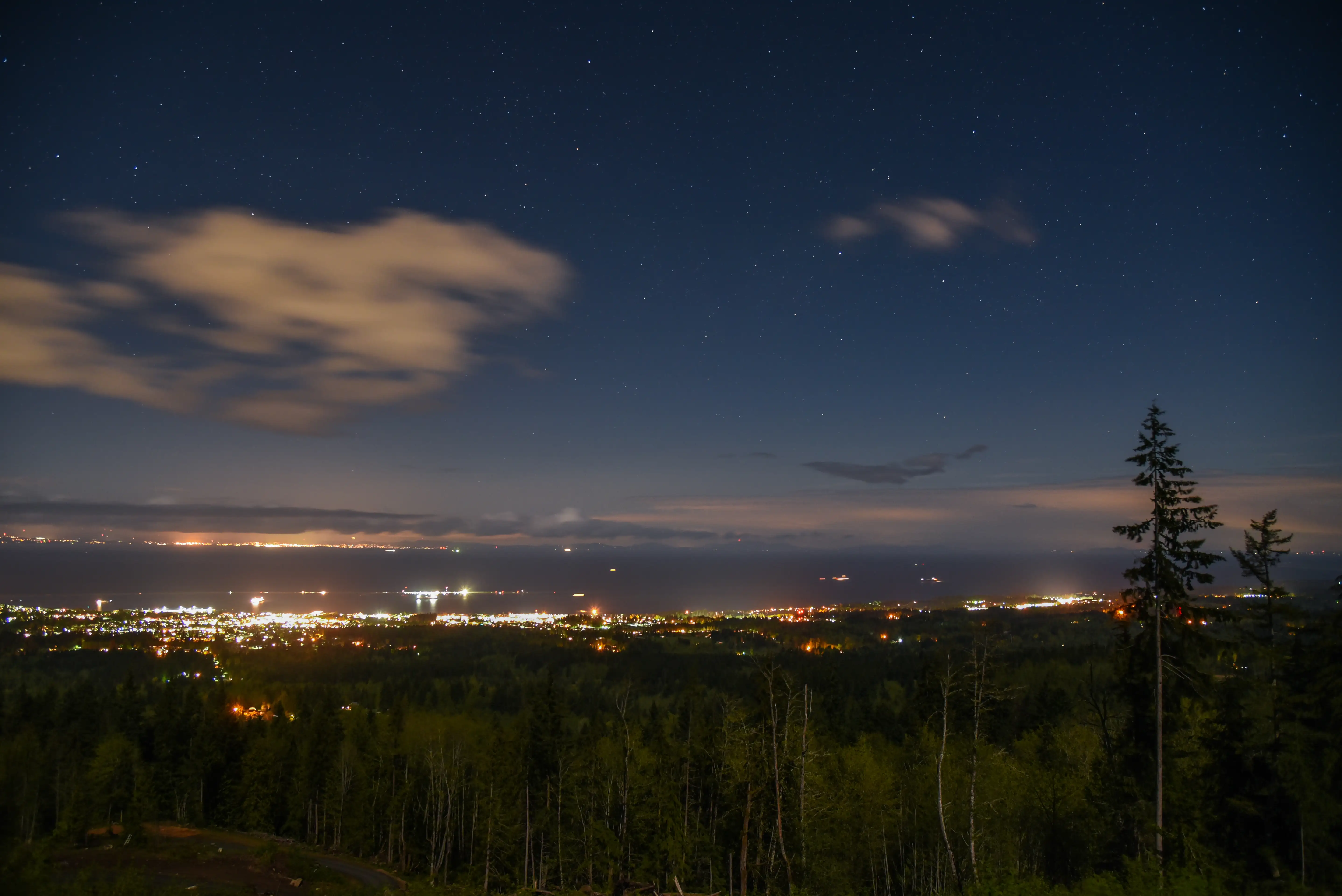
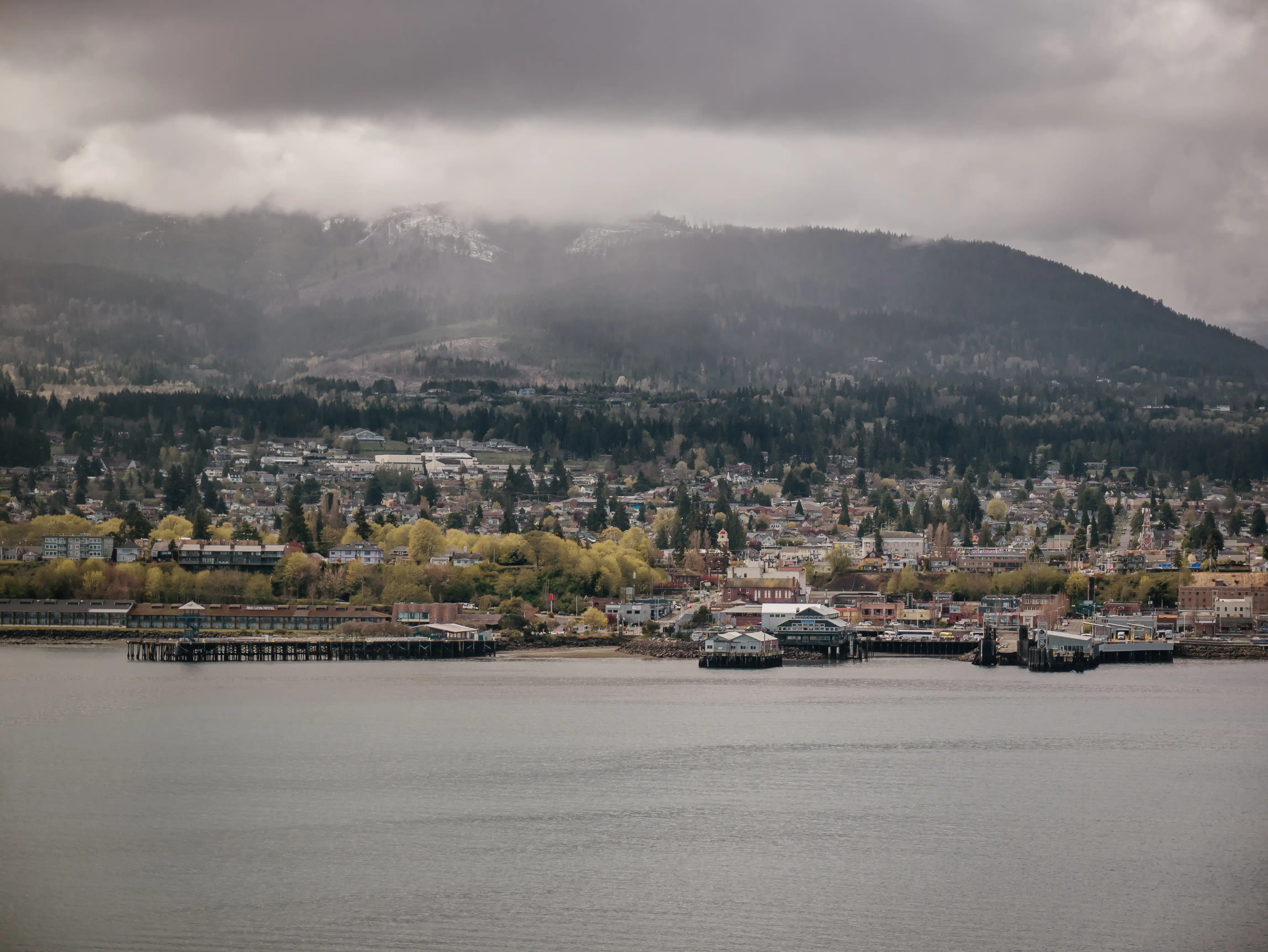
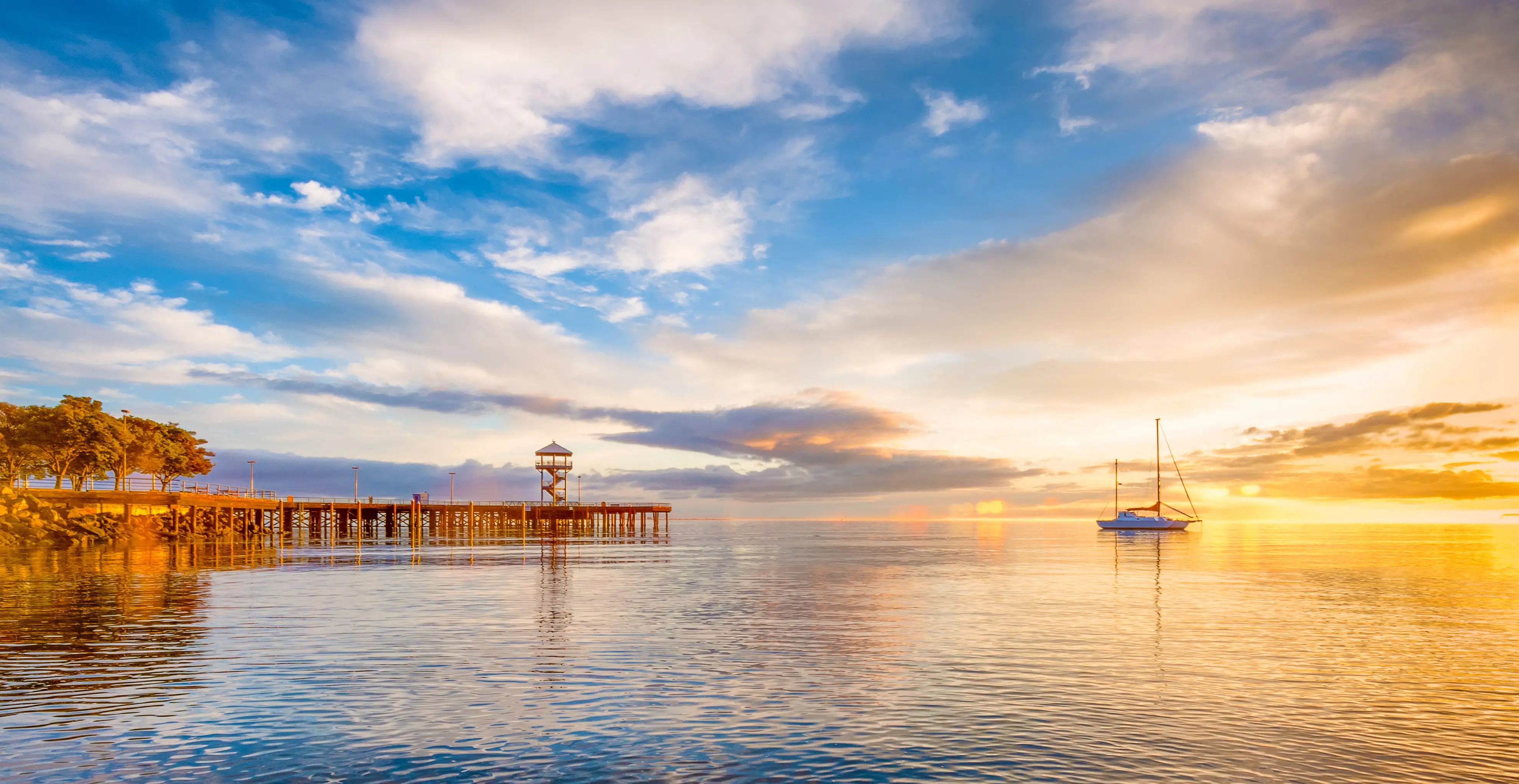
The day-to-day rhythm of Port Angeles surprises most newcomers in ways the listing photos don't capture. Downtown is compact and functional — N Lincoln Street and the blocks around Railroad Avenue hold enough restaurants, coffee shops, and local retail to handle most casual needs on foot. The ferry terminal anchors the western end of the waterfront, and on clear days the view north from the City Pier is genuinely arresting: deep blue water, the distant green profile of Vancouver Island, the long arc of Ediz Hook curving out into the Strait. This is not a city that feels forgotten or economically hollowed out, though it carries the unmistakable character of a working port town rather than a polished resort community.
The commute reality to Seattle deserves its own paragraph. At approximately 153 minutes on a good day — typically via US-101 east to Port Townsend, the ferry to Whidbey, then south through Edmonds — getting to Seattle is a genuine commitment. There's no fast route. Buyers who need to be in Seattle two or three times a week find this mileage accumulates quickly, both in time and ferry costs. Remote workers and retirees absorb this reality without much stress. Anyone with a daily Puget Sound commute typically doesn't last long in Port Angeles before relocating closer to the water crossing.
Community life here runs through outdoor activity in a way that's more fundamental than lifestyle branding. The Olympic Discovery Trail cuts through the city and connects east toward Sequim, drawing cyclists and walkers year-round. Hurricane Ridge is roughly 17 miles from downtown — close enough that local families make it a regular weekend destination rather than a special trip. The Port Angeles Lefties baseball team, a Mariners farm club affiliate that plays at Civic Field on Race Street, pulls genuine local crowds through the summer and provides a social anchor that feels authentically small-city rather than manufactured.
What surprises most people after six months of living here is how self-contained the city becomes. The initial instinct is to calculate what you're giving up relative to a Seattle suburb. After six months, most residents stop making that calculation. The access — hiking, kayaking, tidepooling at Ediz Hook, the ferry to Victoria — becomes the frame, and Seattle starts to feel like the inconvenient option rather than the default.
Olympic National Park access is not a weekend amenity here — it's a daily backdrop. The Olympic National Park Visitor Center sits at 3002 Mt Angeles Road, less than three miles from downtown. Hurricane Ridge, with its subalpine meadows and winter skiing, is a short drive up a maintained road. Residents hike the Sol Duc valley, explore the Hoh Rain Forest, and kayak the harbor on the same weekends that Seattle residents are navigating I-5 to reach a trailhead. The proximity isn't something that shows up in a cost-of-living comparison, but longtime residents cite it as the single strongest reason they don't leave.
The harbor itself is a genuine geographic asset. Port Angeles sits alongside what is recognized as the largest naturally occurring deep-water harbor on the U.S. Pacific Coast, with depths exceeding 90 feet near the eastern end. Ediz Hook — a three-mile glacial moraine that curves out into the Strait — creates a sheltered basin that makes the harbor functional in weather that would close other Pacific Coast anchorages. Boating, fishing, and watching freighters and the Black Ball Ferry move through the harbor is ambient daily life here, not a tourist activity.
The rain shadow effect gives Port Angeles a climate that consistently surprises newcomers from other parts of western Washington. Annual temperatures range roughly between 35°F and 71°F on average, with extremes being relatively rare. The Olympic Mountains intercept much of the moisture rolling in from the Pacific before it reaches the city, resulting in a drier, sunnier pattern than the regional reputation of western Washington would suggest. Long-time residents know to set this expectation for anyone considering the move.
Healthcare access is meaningfully better than many comparably sized rural communities. Olympic Medical Center provides the kind of regional hospital infrastructure that buyers — especially those approaching retirement age — tend to research carefully before committing to a move this far from a major metro. Peninsula Behavioral Health, North Olympic Healthcare Network, and several specialty clinics round out a healthcare ecosystem that punches above the city's population size. This is a direct function of Port Angeles being the county seat of Clallam County, which concentrates services here that would otherwise require a long drive.
Looking to buy in Estimate your payment.
Enter your numbers to see an estimated monthly mortgage payment.
Estimate only. Excludes HOA fees and mortgage insurance.
The distance from Seattle is genuinely significant and worth stating plainly. At 153 minutes by car and ferry under good conditions, Port Angeles is functionally in a different world from the Puget Sound metro. The ferry schedules, weather delays on the Strait, and the single US-101 corridor create a dependency that occasionally reminds residents they're not simply in a far suburb — they're on a peninsula. Grocery options, specialty retail, and access to large employers are all filtered through that geographic reality. Amazon delivery times are longer. Specialty medical appointments typically require a full-day trip.
Some residents find the job market limiting over time. The major employers — Olympic Medical Center, the Port Angeles School District, the City of Port Angeles, the National Park Service, Nippon Paper — represent stable but sector-specific employment. Private-sector career advancement within Port Angeles is genuinely constrained compared to a metro area. Remote work has changed this calculus significantly for a portion of residents, but buyers who anticipate needing to grow within a local professional career should think carefully about those limitations before committing.
Why some people leave comes down to a predictable pattern. Buyers who relocated primarily for the scenery and outdoor access often stay for decades. Buyers who relocated hoping Port Angeles would feel like a quieter version of Bellingham or Olympia — cities with more nightlife, retail variety, and cultural programming — tend to find the city's scale limiting within two to three years. Younger buyers without established remote work income sometimes find the gap between the city's cost of living and its local wage base harder to manage than anticipated. The median household income of approximately $62,606 is real, and it reflects what local employers pay.
Property crime, reported at approximately 23.7 incidents per 1,000 residents, runs higher than many buyers expect for a city of this size. This number matters less in some neighborhoods than others — the patterns concentrate in commercial corridors and certain transitional blocks downtown rather than spreading uniformly across residential areas. Buyers should review specific neighborhood-level data before dismissing the city or over-weighting the figure. It's worth calibrating against the context: Port Angeles is the commercial hub for a large rural peninsula, which concentrates activity — including problematic activity — in a way smaller towns don't experience.
Downtown Port Angeles is the most walkable address in the city, anchored by N Lincoln Street and the blocks around Railroad Avenue and W Front Street. The MV Coho ferry terminal, the City Pier, and the bulk of the city's restaurants and galleries are accessible on foot from residential units here. The Second Saturday Art Walk moves through this corridor monthly, making it one of the few Washington small-city downtowns with a genuine, recurring arts event rather than a seasonal one. Prices range from approximately $299,000 for compact or older units up to $575,000 for renovated or view-adjacent properties, with very limited inventory given the neighborhood's size.
Best for: Remote workers or retirees who want to walk to everything and don't need a large lot.
The Civic neighborhood runs along the Race Street corridor between E 1st and E 10th streets, putting residents close to Civic Field — where the Port Angeles Lefties play through the summer — and the Vern Burton Community Center at 308 E 4th Street. It's a dense residential neighborhood with easy access to both downtown and the Race Street commercial stretch. Pricing in the $325,000–$575,000 range makes it accessible for first-time buyers who want proximity to city amenities without paying downtown premiums.
Best for: Families with kids and sports-minded buyers who want walkable access to community facilities.
Crown sits on the west side of the city along W 10th Street and the Westview Drive and Seamount Drive corridors, with elevated terrain that opens up potential harbor and Strait views on the upper streets. It's a primarily single-family residential neighborhood with a quiet character that suits buyers who want city proximity without dense downtown energy. Mid-range pricing puts it within reach of buyers stepping up from entry-level, though specific view lots carry meaningful premiums over the neighborhood average.
Best for: Buyers who prioritize water views and residential quiet over walkability to downtown.
Georgiana occupies a transition zone between the downtown commercial core and the residential bluffs to the west, with a price range that runs from approximately $299,000 on the low end to well over $1 million for premium properties. That spread reflects real variety in the housing stock — older cottages sit on the same streets as substantially renovated or rebuilt homes with elevated Strait views. Buyers who do their homework here can find genuine value; buyers who assume the low end of the range represents the whole neighborhood may be surprised by what's actually on the water side of the street.
Best for: Buyers willing to research carefully for value within a neighborhood that contains both entry-level and premium-tier homes.
Harbor View is what the name suggests: a neighborhood where Strait of Juan de Fuca vistas are the primary asset. Harbor View Park anchors the area as a named public space, and the residential character reflects the premium that water views command in any Pacific Northwest market. Entry points run around $235,000 for properties where views are partial or indirect; well-positioned homes facing the Strait climb significantly higher. Inventory here is thin, and properties move when they're priced correctly.
Best for: Buyers for whom a Strait view is the non-negotiable, and who understand that premium commands a premium price.
Ediz Hook as a residential address is more concept than reality — the three-mile glacial moraine is primarily occupied by the Coast Guard Air Station and maritime industrial uses, with roads like Ediz Hook Road and Boat Haven Drive serving operational rather than residential purposes. The Hook is genuinely one of Port Angeles's defining geographic features, creating the deep-water harbor that gives the city its economic identity. Buyers looking to live here should understand inventory is extremely limited and the environment is industrial-maritime rather than conventional residential.
Best for: Coast Guard personnel and maritime industry workers who need proximity to the station.
The Mount Angeles and surrounding foothill neighborhoods sit at the southern edge of the city closest to Olympic National Park, near the Olympic National Park Visitor Center on Mt Angeles Road and adjacent to Peninsula College's main campus. The elevation produces mountain views that lower city neighborhoods don't access, and the proximity to Hurricane Ridge Road means trailhead access is genuinely minutes from home. This area draws outdoor-focused buyers who want their recreational priorities literally built into the commute.
Best for: Outdoor enthusiasts for whom proximity to Olympic National Park is the primary purchase driver.
Cherry Hill occupies a central-west position in the city near the US-101 and Lauridsen Boulevard corridor, with streets including S Cherry, S Oak, and S Laurel running through an established residential grid. At approximately 0.443 square miles, it's a contained neighborhood with accessible pricing in the $299,000–$454,000 range and convenient access to US-101 for eastbound commuters heading toward Sequim. The neighborhood's character is solidly residential without much commercial intrusion, making it a stable if unflashy choice for buyers who prioritize commute access and predictable surroundings.
Best for: Commuters heading east toward Sequim and first-time buyers who want established residential character without paying downtown prices.
| City | Best For | Median Home Price | Commute to Seattle | Vibe |
|---|---|---|---|---|
| Port Angeles | Outdoor access + affordability | $433,000 | ~153 min | Working harbor town; arts scene; ONP gateway |
| Sequim | Retirees, sunnier climate, lavender country | ~$485,000–$510,000 | ~130 min | Quieter, older demographic; less commercial density |
| Port Townsend | Arts, Victorian architecture, ferry access | ~$550,000–$600,000 | ~90 min via ferry | Boutique arts town; smaller; higher price point |
| Victoria, BC | International city access, urban density | CAD market | Ferry crossing | Metro scale; Canadian regulations apply |
| Forks | Deep rural lifestyle, very low prices | ~$220,000–$280,000 | ~3.5–4 hours | Logging town; very limited services; true rural |
| Blyn / Sequim Bay area | Semi-rural residential near Sequim amenities | ~$400,000–$460,000 | ~130 min | Rural quiet with Sequim proximity |
| Category | Detail |
|---|---|
| Population | ~20,167 |
| Median Sold Price | $433,000 |
| Median Household Income | ~$62,606 |
| Property Tax Rate | ~0.90% |
| Commute to Seattle | ~153 minutes |
| Violent Crime per 1,000 | 4.4 |
| Property Crime per 1,000 | 23.7 |
| School District | Port Angeles School District (rated B–) |
| County | Clallam County |
| State Income Tax | None |
Port Angeles has a handful of traditions and realities that don't appear in any relocation checklist but matter considerably once you're living here.
The Second Saturday Art Walk is not a summer tourist event — it runs monthly, year-round, moving through galleries, shops, and local businesses in the downtown corridor. In a city of 20,000, it functions as a genuine community gathering point, particularly from fall through spring when outdoor activities contract slightly with weather. Field Arts & Events Hall has become a serious venue for regional performing arts and music, and the level of programming there surprises buyers who expect a city this size to offer very little beyond local bars.
The ferry to Victoria is both a practical connection and a local pastime. Residents use the Black Ball Ferry MV Coho for day trips, shopping, dining, and the particular pleasure of watching a foreign city grow larger across the water. It's a 17-mile crossing that takes about 90 minutes, and Canadians cross in the opposite direction with equal regularity. For buyers who have any connection to British Columbia — family, business, past residency — this proximity is a non-trivial quality-of-life factor.
The Lefties at Civic Field are a legitimate Port Angeles institution. The Port Angeles Lefties compete in the West Coast League as a Mariners-affiliated program, drawing multigenerational local crowds through summer evenings at the Race Street stadium. Longtime residents treat it as their version of minor league baseball — community-scale, accessible, and genuinely fun without the cost and distance of a Safeco Field night.
What I would not do: I would not buy in the transitional blocks immediately east of downtown along the US-101/E Front Street corridor without walking the area at multiple times of day first. This strip concentrates the commercial activity — including some of the social service infrastructure — that contributes to the city's elevated property crime rate. Plenty of Port Angeles neighborhoods sit well clear of this pattern, but a buyer who purchases in this specific corridor assuming the city-wide median crime figure represents uniform risk is making a mistake they could easily avoid with a Saturday afternoon walk-through before the offer goes in.
Local Expert Takeaway: If you're choosing between Port Angeles and Sequim, the decision comes down to one honest question: do you want to be in a real city with a harbor, arts programming, and walkable density — or do you want quieter, sunnier, and slightly more suburban? Port Angeles wins on lifestyle richness and price accessibility. For buyers who want mountain proximity specifically, the Mount Angeles and Cherry Hill neighborhoods offer the fastest access to Hurricane Ridge without sacrificing city services. And if remote work is your income engine, lock in before the market finds its floor — the Zillow trend line has been flat to slightly down, which creates a real entry window in 2026.
✅ Port Angeles offers genuine Pacific Northwest lifestyle — Olympic National Park access, a working harbor, a real arts scene, and home prices that haven't been erased by metro-area demand.
⚠️ The Seattle commute is a serious constraint — at approximately 153 minutes under good conditions, this city works for remote workers and retirees far better than it works for anyone needing regular Puget Sound access.
📍 Know your neighborhood before you buy — the city's elevated property crime rate concentrates in specific corridors; residential neighborhoods in Crown, Mount Angeles, and Cherry Hill tell a different story than aggregate numbers suggest.
Is Port Angeles a good place for families?
Port Angeles supports family life well if outdoor activity and community-scale recreation are your priorities. The Port Angeles School District covers full K–12 education, Peninsula College offers dual-enrollment options, and the combination of Olympic National Park access, Civic Field events, and the Olympic Discovery Trail gives families with children a genuinely activity-rich environment. Families who need metro-level extracurricular variety or frequent access to Seattle-area specialists will feel the distance more acutely.
What is the crime rate in Port Angeles?
Violent crime runs at approximately 4.4 incidents per 1,000 residents — a manageable figure for a city that serves as the commercial hub of a large rural peninsula. Property crime, at approximately 23.7 per 1,000, is the more relevant number for most buyers, and it concentrates in commercial and transitional corridors rather than spreading uniformly across all residential neighborhoods. Buyers who walk their target neighborhoods and review block-level data typically find the aggregate figure overstates the risk in most residential areas.
How does Port Angeles compare to Sequim for retirees?
Sequim generally draws retirees looking for a quieter, drier, more purely residential environment — it gets even less rainfall than Port Angeles due to a more pronounced rain shadow effect and carries a noticeably older demographic profile. Port Angeles offers more services, a fuller commercial core, stronger healthcare infrastructure through Olympic Medical Center, and cultural programming that Sequim doesn't match at scale. The catch is that Port Angeles median home prices of $433,000 are slightly lower than Sequim's current range, making Port Angeles the better value if medical access and urban amenities matter more than pure quiet.
Explore the full Port Angeles series: The Ultimate Port Angeles Relocation Guide · Is Port Angeles Safe? · Cost of Living in Port Angeles · Best Neighborhoods in Port Angeles · Port Angeles Schools & Family Life · Port Angeles Youth Sports · Port Angeles Parks & Recreation · Retiring in Port Angeles · 1031 Tax-Deferred Exchange in Port Angeles · Port Angeles First-Time Homebuyers Guide · Moving to Port Angeles from California
Tell us what you need help with and we'll connect you with local resources.

About the Author
Todd Davidson is the founder of Living in Oregon and Living in Washington, where he publishes in-depth city guides, neighborhood resources, and local market insights covering more than 180 communities across the Pacific Northwest. While his background is in home financing and real estate, he created these digital platforms to help families research and compare regions before making a move.